

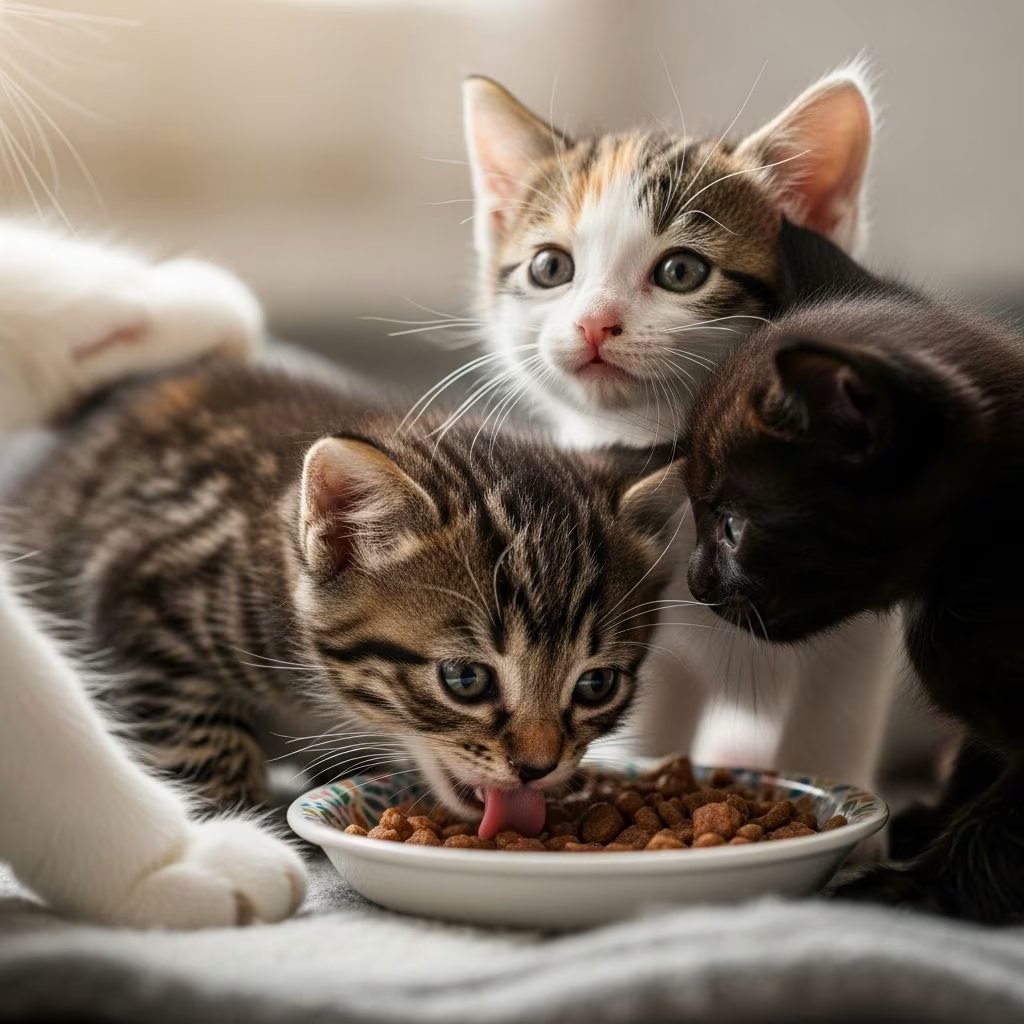
The process of weaning kittens marks a pivotal shift from liquid milk to solid nourishment, typically starting around 3-4 weeks of age. This transition supports rapid growth, strengthens dental health, and builds lifelong eating habits. Proper weaning prevents nutritional gaps and health issues like hypoglycemia or dehydration.
Understanding Kitten Nutritional Needs During Weaning
Kittens experience explosive growth in their first months, demanding diets rich in proteins, fats, and specific nutrients absent in cow’s milk. Newborns need about 24 kcal of metabolizable energy per 100g body weight in the initial weeks, scaling up as they wean. Key components include high-quality animal proteins for muscle development, fats for energy and brain function (like DHA for vision), and taurine for heart and eye health.
Commercial kitten milk replacers outperform homemade options, providing prebiotics, probiotics, and balanced minerals like calcium, phosphorus, iron, copper, and zinc. Queen’s milk naturally adjusts—fat rises during lactation, calcium increases for bone growth—but orphans rely on these formulas.
Optimal Timing for Starting the Weaning Process
Most kittens show weaning readiness at 4 weeks, though some precocious ones begin at 3 weeks by nibbling solids or reducing nursing interest. Delaying beyond 5-6 weeks risks nutritional shortfalls; rushing causes digestive upset. Observe cues: exploring with mouths, lapping liquids, or rejecting bottles signal go-time.
- 3 weeks: Introduce gruel (formula-mixed wet food) for early explorers.
- 4-5 weeks: Prime weaning window; mix solids increasingly.
- 6-8 weeks: Full solid diet, 3-4 wet meals daily plus free kibble access.
Every kitten varies—monitor weight gain (daily early on) and energy levels.
Selecting the Best Foods for Transition
Opt for AAFCO-approved kitten-specific formulas stating complete nutrition for growth. Begin with wet pate-style food for hydration (70-80% moisture prevents urinary issues) and palatability.
| Food Type | Benefits | Introduction Age |
|---|---|---|
| Wet Kitten Food | High protein/fat, hydration, easy digestion | 3-4 weeks |
| Gruel (Wet + Formula) | Familiar texture, gradual solids intro | 3 weeks |
| Softened Dry Kibble | Dental health, convenience, free-feed option | 5-6 weeks |
| Milk Replacer | Supplements calories during transition | Birth-6 weeks |
Avoid cow/goat milk—lacks taurine, causes diarrhea. Consistent protein sources (e.g., chicken across wet/dry) ease acceptance.
Step-by-Step Weaning Protocol
Weaning unfolds gradually over 1-2 weeks to avoid stress. Always prioritize solids first, then supplement nursing/formula.
- Introduce Wet Food: Smear warm pate near mouth or on paws. Hand/spoon-feed if needed; transition to dish by lowering hand gradually.
- Mix Gruel: Blend 1:3 wet food:formula, warming to body temp. Increase food ratio daily (e.g., 1:2, 1:1, 3:1).
- Reduce Formula: Once eating 50% solids, cut bottle sessions. Weigh pre/post-meal for progress.
- Add Kibble: Soften with warm water; offer free-choice alongside timed wet meals.
- Monitor Completion: Fully weaned when rejecting bottle, steady weight gain, enthusiastic solids eating.
Feed 4-6 small meals daily initially (every 4-6 hours post-week 1), dropping to 3-4 by 8 weeks. Total: 3-8 oz wet/dry combo.
Daily Feeding Schedules by Age
| Age | Meals/Day | Food Mix | Calories (per 100g BW) |
|---|---|---|---|
| 0-2 weeks | Every 2-4 hrs | Milk replacer only | ~15-24 kcal |
| 3-4 weeks | 5-6 | Gruel + formula | 24 kcal |
| 5-6 weeks | 4-5 | Wet primary, softened kibble | Increase per growth |
| 7-8 weeks | 3-4 | Wet + free dry/water | Per package |
Warm foods, refresh every 3-4 hours to avoid spoilage. Provide constant fresh water.
Common Challenges and Solutions
Weaning can be messy—kittens play-eat! Wipe faces post-meal to prevent skin issues.
- Picky Eaters: Try meat baby food (no onion/garlic), vary proteins.
- Diarrhea: Slow transition, ensure hydration; vet if persistent.
- Weight Stagnation: Supplement formula until gaining; check warmth (hypothermia halts digestion).
- Constipation: Boost wet food moisture; add probiotics.
- Overfeeding Signs: Vomiting/bloating—measure portions precisely.
Maintain warmth (85-90°F early, dropping gradually), cleanliness, and socialization.
Health Monitoring Throughout Weaning
Daily weigh-ins track 5-10g gains early, more later. Bright eyes, pink gums, firm belly, active play signal success. Consult vets for lethargy, poor appetite, or stool changes.
Post-weaning (8+ weeks), sustain kitten food until 1 year for peak nutrition.
Frequently Asked Questions (FAQs)
When do kittens start weaning?
Around 3-4 weeks, based on individual readiness like nibbling solids.
Can I use cow’s milk for weaning?
No—it lacks essential nutrients like taurine and often causes digestive issues.
How often to feed weaning kittens?
4-6 times daily initially, reducing to 3-4 meals by 8 weeks.
Is wet or dry food better for weaned kittens?
Wet is ideal for hydration/protein; offer both for variety.
What if my kitten refuses solids?
Persist with hand-feeding, warm gruel; supplement formula and consult vet if no progress.
Long-Term Benefits of Proper Weaning
Mastered weaning fosters healthy adults: strong immunity, ideal weight, adaptable eaters. Invest time now for lifelong vitality.
References
- Weaning — Kitten Lady — Kitten Lady. Accessed 2026. http://www.kittenlady.org/weaning
- Feeding Orphaned Kittens From Birth Through Weaning — Today’s Veterinary Nurse. Accessed 2026. https://todaysveterinarynurse.com/nutrition/feeding-orphaned-kittens-from-birth-through-weaning/
- Weaning Kittens: When and How To Introduce Solid Food — PetMD. Accessed 2026. https://www.petmd.com/cat/general-health/weaning-kittens
- Weaning Guide — Asheville Humane Society. Accessed 2026. https://www.ashevillehumane.org/wp-content/uploads/Weaning-Guide.pdf
- Kittens 5 Weeks and Older: A Complete Feeding & Care Guide — Humane Society of Charlotte. Accessed 2026. https://humanesocietyofcharlotte.org/services/community-cats-services/findingkittens/caring-for-kittens-5-weeks-and-older/
- How Much to Feed a Kitten: A Kitten Feeding Chart by Age — Purina. Accessed 2026. https://www.purina.com/articles/cat/kitten/feeding/how-much-to-feed-a-kitten-chart



