

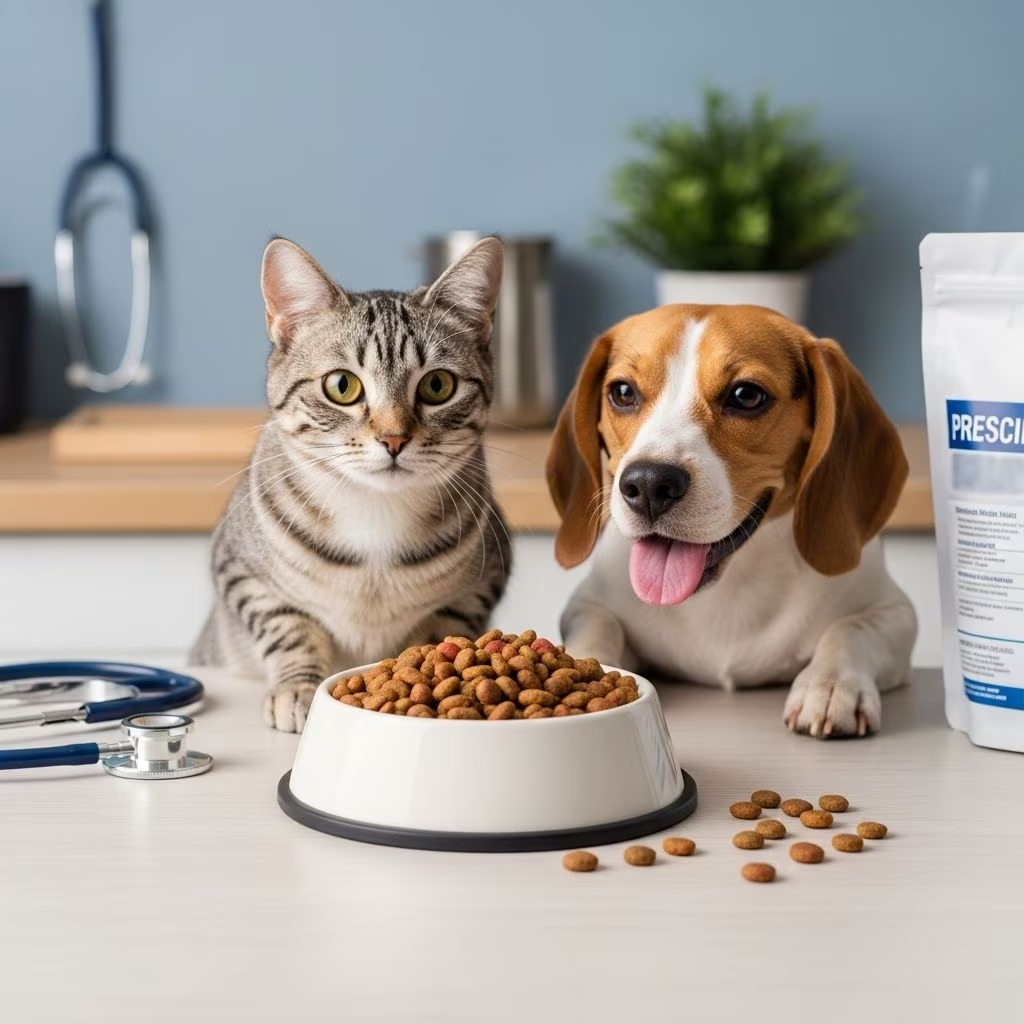
Veterinary prescription diets serve as targeted nutritional therapies for pets facing specific health challenges, offering formulations that support management of conditions like kidney disease, diabetes, and allergies. These diets must be introduced gradually under professional guidance to prevent digestive upset and ensure acceptance.
Understanding Veterinary Prescription Diets
Veterinary diets, often labeled as prescription foods, are specially formulated to address particular medical conditions in cats and dogs. Unlike standard pet foods, they adjust nutrient levels—such as protein, phosphorus, or fiber—to alleviate symptoms, slow disease progression, and reduce complication risks.
For instance, diets for chronic kidney disease (CKD) in cats reduce protein and phosphorus to ease kidney workload, while those for urinary issues promote optimal urine pH to dissolve stones. These foods are complete and balanced for their intended purpose but may not suit healthy pets, as low-protein CKD formulas can lead to muscle loss in normal cats.
Key Benefits of Therapeutic Nutrition
- Symptom Relief: Reduces issues like diarrhea, joint pain, or itching through specialized ingredients such as omega-3s or novel proteins.
- Disease Management: Low-phosphorus diets slow kidney disease advancement in dogs, potentially extending lifespan.
- Prevention of Complications: Diabetes formulas control blood sugar spikes, lowering risks of ketoacidosis or nerve damage.
Research shows these diets influence the gut microbiome, with variations in phyla like Fusobacteria depending on the formula, aiding targeted health interventions.
When Does Your Pet Need a Prescription Diet?
Consult a veterinarian if your pet shows signs like unexplained weight changes, persistent itching, recurrent urinary issues, or digestive problems. These may indicate needs for therapeutic nutrition.
| Condition | Common Signs | Suitable Diet Features |
|---|---|---|
| Kidney Disease | Weight loss, increased thirst | Low phosphorus, moderate high-quality protein |
| Diabetes | Excessive hunger, lethargy | Low carbs, high fiber |
| Joint Issues | Limping, stiffness | Omega-3s, glucosamine |
| Food Allergies | Itching, ear infections | Hydrolyzed or novel proteins |
| Urinary Problems | Frequent urination, blood in urine | Acidifying agents, controlled minerals |
Healthy pets generally don’t benefit from these diets; for example, allergy or digestibility formulas might be safe but are costlier without necessity.
Step-by-Step Transition Process
Abrupt diet changes can cause refusal or gastrointestinal distress, so a 7-10 day gradual mix is essential. This allows taste adaptation and microbiome adjustment.
- Days 1-3: 25% new diet + 75% old diet.
- Days 4-6: 50% new + 50% old.
- Days 7-9: 75% new + 25% old.
- Day 10+: 100% new diet.
Wet foods enhance palatability, especially for picky eaters or those with kidney/urinary needs, though they require larger volumes for calorie needs in big dogs. Mixing wet and dry versions can balance cost and appeal.
Enhancing Acceptance
- Add warm water or low-sodium broth to dry kibble.
- Top with vet-approved treats mimicking the diet’s flavor.
- Feed smaller, frequent meals to build positive associations.
Troubleshooting Common Challenges
Pet refusal is frequent due to altered flavors or textures in therapeutic foods. Multiple formula options exist for the same condition, varying in palatability—trial under vet supervision.
Strategies for Picky Eaters
| Issue | Solution |
|---|---|
| Complete Refusal | Switch to canned version or blend flavors; hunger often motivates after 24-48 hours. |
| Vomiting/Diarrhea | Slow transition to 12-14 days; introduce probiotics if approved. |
| Weight Loss | High-calorie prescription variants or temporary calorie boosters. |
Monitor closely; persistent issues warrant vet reevaluation for alternative prescriptions or underlying problems.
Types of Prescription Diets by Condition
Diverse formulations target specific needs:
- Renal Support: Restricted protein/phosphorus, added omega-3s.
- Weight Management: High fiber/protein for satiety.
- Gastrointestinal: Highly digestible ingredients.
- Dermatology/Allergy: Limited antigens.
- Joint Health: Anti-inflammatory nutrients.
Studies confirm microbiome shifts, like increased beneficial bacteria with weight-loss diets.
Cost Considerations and Alternatives
Prescription diets cost more due to research-backed formulations, but they reduce long-term vet bills by managing diseases effectively. Critics note similarities to over-the-counter foods and question efficacy claims, with some tests revealing contaminants. Always prioritize vet recommendations over generics.
Long-Term Monitoring and Success
Regular vet check-ups track progress via bloodwork, weight, and symptoms. Adjust as needed; some pets thrive on these diets lifelong.
Frequently Asked Questions (FAQs)
Can healthy pets eat prescription food?
No, most are tailored for illness and may cause imbalances like muscle wasting in healthy cats.
How long does transition take?
Typically 7-10 days, extend if issues arise.
Are these diets FDA-approved drugs?
No, they are nutraceuticals, not medications, despite therapeutic claims.
What if my pet refuses?
Try wet food, flavor enhancers, or alternative formulas; consult vet.
Do they really work?
Yes, for symptom relief and disease slowing when vet-prescribed.
References
- What To Know About Feeding Your Cat Prescription Food — Texas A&M University College of Veterinary Medicine & Biomedical Sciences. 2023-approx. https://vetmed.tamu.edu/news/pet-talk/cat-prescription-food/
- Prescription Pet Food: Benefits of Therapeutic Diets — Mountainside Veterinary Hospital. 2023-approx. https://www.mountainsidevets.com/blog/prescription-pet-food
- Prescription and Veterinary Diets–Are They Medicine? Are They Worth the Added Cost? — Pet Professional Guild. 2023-approx. https://www.petprofessionalguild.com/barks/barks-magazine-blog/prescription-and-veterinary-diets-are-they-medicine-are-they-worth-the-added-cost/
- Refusal to eat prescription food — Cornell University College of Veterinary Medicine. 2023-approx. https://www.vet.cornell.edu/departments-centers-and-institutes/riney-canine-health-center/canine-health-topics/refusal-eat-prescription-food
- Comparison of the effects of four commercially available prescription diets on the fecal microbiome in healthy dogs — PMC (PubMed Central). 2019-12-31. https://pmc.ncbi.nlm.nih.gov/articles/PMC6943313/
- Prescription Diets For Pets — My Seneca Animal Hospital. 2023-approx. https://mysenecaanimalhospital.com/blog/prescription-diets-for-pets/



