

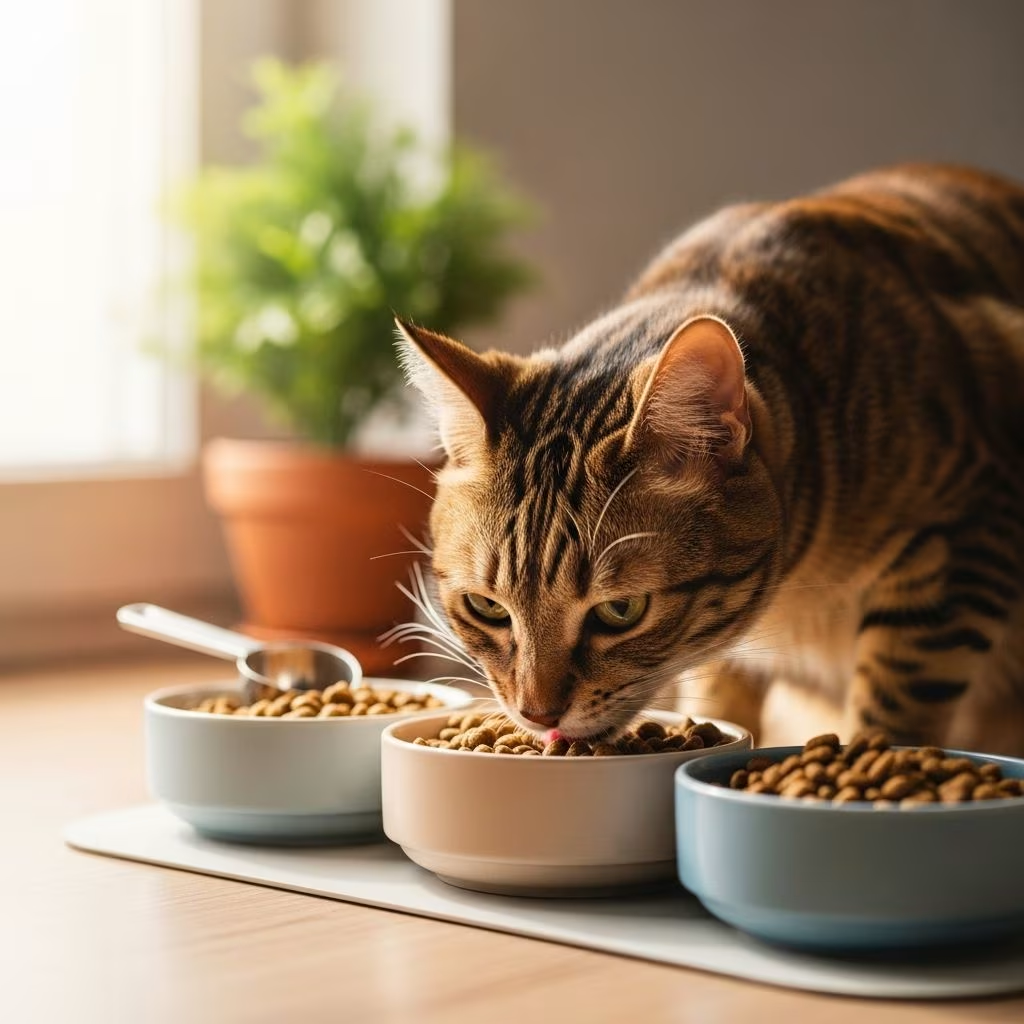
Switching your cat’s food requires careful planning to prevent digestive problems, refusal to eat, or nutritional imbalances. A gradual approach over 7-14 days or longer allows the feline digestive system to adapt to new ingredients, textures, and flavors.
Why Gradual Changes Matter for Feline Health
Cats possess sensitive gastrointestinal tracts that can react poorly to sudden dietary shifts. Rapid changes often lead to diarrhea, vomiting, or gas due to alterations in protein sources, fat content, or moisture levels. Veterinary guidelines emphasize slow transitions to minimize stress and support microbiome adjustment in the gut.
Nutritional needs evolve across life stages, influencing transition timing. Kittens, adults, seniors, and pregnant cats each benefit from tailored diets, making periodic switches necessary for optimal health.
Standard Transition Schedule for Same-Type Foods
For switches between similar dry or wet foods, follow this 7-10 day plan to ease adaptation:
| Days | Old Food | New Food |
|---|---|---|
| 1-2 | 75% | 25% |
| 3-4 | 50% | 50% |
| 5-7 | 25% | 75% |
| 8-10 | 0% | 100% |
Mix foods thoroughly to mask differences. Monitor stool quality and appetite daily. If issues arise, pause and revert to more old food before resuming.
Extended Timelines for High-Fat or Texture Differences
Foods with 3% or higher fat differences demand longer transitions, potentially 14-28 days, to avoid gastric upset. Raw or freeze-dried options, richer in fats, require even slower shifts.
| Days (Standard Fat) | Old Food | New Food |
|---|---|---|
| 1-4 | 75% | 25% |
| 5-9 | 50% | 50% |
| 10-13 | 25% | 75% |
| 14 | 0% | 100% |
For high-fat new foods, extend phases: 1-9 days at 75/25, 10-19 at 50/50, 20-27 at 25/75, and full new food by day 28.
Switching Food Formats: Dry to Wet, Kibble to Raw
Dry to Wet Food Transition
Wet food’s higher moisture and aroma appeal to many cats, but texture contrasts necessitate strategy. End free-feeding dry kibble first to establish mealtimes, fostering hunger-driven trial of new food.
- Days 1-2: 75% kibble, 25% wet (top kibble with wet or serve side-by-side).
- Days 3-4: 50/50 mix.
- Days 5-6: 25% kibble, 75% wet.
- Day 7+: 100% wet.
Warm wet food slightly to enhance scent. For resistant cats, offer wet between kibble meals initially, removing uneaten kibble after 20 minutes.
Kibble to Raw or Freeze-Dried
Raw foods’ distinct textures and fat profiles challenge many cats. Transition via wet food as an intermediate if direct switch fails.
| Phase | Kibble % | Raw % |
|---|---|---|
| 1-9 days | 75 | 25 |
| 10-19 days | 50 | 50 |
| 20-27 days | 25 | 75 |
| Day 28 | 0 | 100 |
Soak raw in warm water to boost aroma and mimic wet texture.
Wet to Raw Switch
Simpler due to moisture similarity, but still gradual:
- Days 1-4: 75% wet, 25% raw.
- Days 5-9: 50/50.
- Days 10-13: 25% wet, 75% raw.
- Day 14: 100% raw.
High-fat raw may extend to 28 days.
Life Stage Dietary Shifts
Align transitions with developmental milestones for nutritional precision.
- Kitten to Adult (12 months): Shift to adult formula post-weaning phases. Birth-8 weeks: milk/milk replacer. 8 weeks-4 months: mother/baby foods. 4-12 months: kitten food, then adult.
- Adult to Senior (7+ years): Introduce senior diets for joint, kidney support. Use standard 7-10 day schedule.
- Pregnancy/Lactation: Switch to kitten or energy-dense formulas high in calcium. Gradual intro prevents overload.
Cats may need up to 40 days for full adaptation, especially to odor/taste changes.
Tips for Picky or Reluctant Eaters
- Enhance appeal: Warm food, add low-sodium broth, or play before meals to stimulate appetite.
- Multiple bowls: Offer old and new separately if mixing repels.
- Set mealtimes: Eliminate free-feeding to leverage natural hunger.
- Early exposure: Kittens adapt faster with varied proteins/textures from youth.
Troubleshooting Common Issues
Digestive Upset: Soft stools or vomiting? Revert to 75% old food for 2-3 days, then retry slower pace.
Refusal to Eat: Ensure calorie matching to prevent weight loss. Consult vet if hunger strike exceeds 24-48 hours.
Calorie Calculation: Match daily intake across foods. Example: If old food provides 300 kcal/day, select new portions accordingly.
Benefits of Proper Transitions
Smooth switches maintain gut health, steady energy, and coat quality. They support life stage needs like senior mobility or kitten growth, per veterinary nutritional standards.
Frequently Asked Questions
How long does it take to switch cat food?
Typically 7-10 days for similar foods, up to 40 days for sensitive cats or major changes.
Can I switch cat food abruptly?
No, risks include diarrhea and refusal. Always gradual.
What if my cat won’t eat the new food?
Establish mealtimes, warm food, or use toppers. Vet check if prolonged.
Is wet food better than dry?
Wet aids hydration; combine based on needs. Transition carefully.
When to switch to senior food?
Around 7-11 years, depending on health.
References
- Changing Cat Food: How to Transition Your Cat to New Food — Purina. Accessed 2026. https://www.purina.com/articles/cat/feeding/guides/changing-cat-food
- Ways to Transition Your Cat’s Food — PrettyLitter. Accessed 2026. https://www.prettylitter.com/blog/ways-to-transition-your-cat-s-food
- Switching Cat Foods: How to Transition a Cat’s Diet — Mud Bay. Accessed 2026. https://blog.mudbay.com/best-cat-diet/switching-cat-foods/
- How to change your cat’s food — Royal Canin. Accessed 2026. https://www.royalcanin.com/us/cats/health-and-wellbeing/how-to-change-your-cats-food
- Transition from Dry to Wet Cat Food — Cats Meow Vets. Accessed 2026. https://www.catsmeowvets.com/cat-health-info/dry-to-wet-food
- Tips and Timelines for Transitioning Your Pet to a New Food — AAHA. Accessed 2026. https://www.aaha.org/wp-content/uploads/globalassets/05-pet-health-resources/nutritionalresources/petparent/aaha-tips-and-timelines.pdf
- Feeding Your Cat — Cornell University College of Veterinary Medicine. Accessed 2026. https://www.vet.cornell.edu/departments-centers-and-institutes/cornell-feline-health-center/health-information/feline-health-topics/feeding-your-cat



