

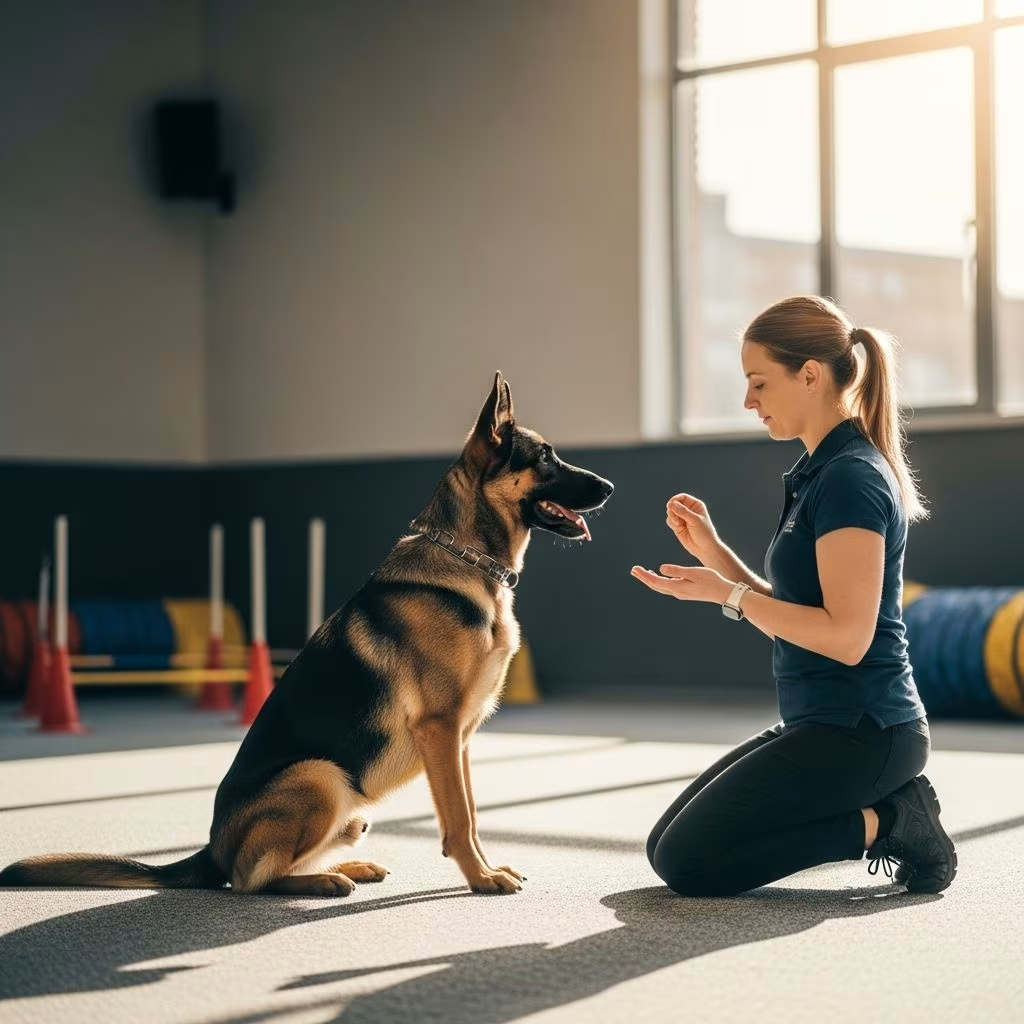
Preparing a dog for conformation shows demands dedication across health maintenance, precise skill development, and environmental adaptation. Success hinges on building a confident performer that excels in stacking, gaiting, and judge interactions while adhering to breed standards.
Assessing Your Dog’s Show Potential
Before diving into training, evaluate if your dog possesses the physical structure and temperament suited for the ring. Conformation events judge how closely a dog matches its breed standard, emphasizing proportions, movement, and demeanor. Breeds vary: Terriers need alert expressions, while Hounds require fluid gaits.
- Review the official breed standard from organizations like the American Kennel Club to understand ideal traits.
- Observe your dog’s natural stance and movement during casual walks.
- Consult breeders or mentors for honest feedback on conformation prospects.
Temperament matters equally; shy or overly excitable dogs may struggle amid crowds and scrutiny. Start young—puppies aged 6-12 months adapt quickest—but adults can succeed with consistent effort.
Building a Solid Health Foundation
Peak condition underpins ring performance. Schedule comprehensive veterinary exams to confirm vaccinations, parasite control, and structural soundness. A balanced diet fuels muscle tone and coat quality; adjust calories for active show schedules.
| Health Aspect | Recommendations |
|---|---|
| Nutrition | High-protein kibble with omega fatty acids for coat shine; portion control to maintain ideal weight. |
| Exercise | Daily 30-60 minute sessions mixing cardio and strength work, like hill sprints for Hounds. |
| Vet Checks | Bi-annual full panels including hips, elbows, and heart for breeds prone to issues. |
Conditioning prevents injuries; incorporate low-impact activities like swimming. Track weight weekly to avoid obesity, which hampers gaiting.
Mastering Essential Ring Skills
Show dogs must demonstrate three core competencies: stacking, gaiting, and exam tolerance. These behaviors showcase anatomy to judges evaluating breed type.
Perfecting the Stack
Stacking positions the dog to highlight structure—front legs straight under shoulders, rear legs slightly back. Free stacking lets the dog self-position; hand stacking adjusts for perfection during exams.
- Bait with treats held high to encourage head-up stance.
- Gently position feet with verbal cues like “stand.”
- Practice 1-2 minutes daily, rewarding stillness.
For small breeds, train table stacking; larger ones ground stack. Vary surfaces to build adaptability.
Gaiting with Precision
Gaiting reveals movement fluidity. Trot at moderate speed, lead side parallel to the dog, using a show lead for subtle control. Judges watch for balanced strides—opposing legs moving together without interference.
- Use L-patterns: down-and-back, triangle trots.
- Incorporate “watch me” for focus amid distractions.
- Short sessions prevent fatigue; aim for 3-minute bursts.
Exam Readiness
Dogs endure hands-on checks: mouth inspection, body palpation. Desensitize with daily handling—touch ears, paws, tail—pairing with praise. Progress to simulated judge exams in novel settings.
Grooming for Ring Perfection
Breed-specific grooming elevates presentation. Scissor coats neatly, strip rough textures, or hand-pluck for wiry breeds. Tools include slickers, blades, and conditioners.
Maintain nails short, teeth brushed, ears clean. Pre-show baths strip oils judiciously. Practice full grooms weekly to accustom dogs to the process.
Quick Grooming Checklist
- Nails trimmed to quick without pain.
- Coat conditioned, free of mats.
- Whites sparkling; topknots secured for long-haired breeds.
- Final spritz for shine 30 minutes pre-ring.
Training Methods and Schedules
Positive reinforcement drives success: high-value treats for new skills, fading to verbal praise. Sessions last 3-5 minutes, multiple times daily, in varied locations to mimic show chaos.
Enroll in conformation or ringcraft classes via local AKC clubs. These teach jargon like “baiting” and provide instructor feedback at lower cost than private handlers ($200+/hour).
Short, fun sessions build enthusiasm without burnout.
Simulating the Show Environment
Desensitize to crowds, noises, and scents. Attend match shows—practice events without points—as dress rehearsals. Local parks with dogs simulate ring energy; reward calm focus.
Practice setups: crate near strangers, setup grooming stations. Build tolerance gradually; nervous dogs like one example needed 30 hours weekly with pros.
Selecting Equipment and Support
Invest in quality gear: martingale collars for control, Resco leads for slack-free trots, breed-tailored grooming kits, crates for rest. High-value treats motivate during drills.
Mentors accelerate progress. Network at shows, join AKC clubs for classes and advice. Professional handlers optional for novices.
Navigating Show Day Logistics
Arrive early: check-in for armband number, setup crate area. Review schedule—breeds judge sequentially.
Warm up lightly; present alert dog. Judges assess individually then group gait. Sportsmanship rules: congratulate winners, accept placings gracefully.
Common Challenges and Fixes
Nervousness? Counter-condition with exposure. Poor head carriage? Bait strategically. Fidgety stacks? Increase reinforcement rates initially.
Track progress in a journal; adjust for breed quirks, like heavy breeds using ramps. Patience yields results—many champions started shaky.
FAQs
What age is best to start show training?
Puppies from 6 months thrive, but motivated adults succeed too. Focus on fun to preserve joy.
Do I need a professional handler?
Not initially; classes suffice. Hire for majors if desired, costing per show.
How often should I train?
Multiple 3-minute sessions daily outperform long ones. Consistency over intensity.
Can mixed breeds compete?
Yes, via Mixed Breed Dog Clubs of America for conformation.
What if my dog fears the judge?
Desensitize with stranger handling; positive methods rebuild confidence.
Long-Term Success Strategies
Beyond wins, prioritize welfare. Rotate activities to prevent staleness. Track lineage for future litters if breeding. Celebrate efforts—ribbons follow skilled partnerships.
Advanced competitors refine via seminars, video analysis. Stay updated on rule changes through AKC resources.
References
- How do I prepare my dog for a dog show? – RESOURCE LIBRARY — American Breeder. Accessed 2026. https://www.americanbreeder.com/resources/american-breeder-blog/dogs/prepare-dog-for-dog-show-guide
- Training a Champion Show Dog — Coastal Pet Products. Accessed 2026. https://www.coastalpet.com/blog/training-a-champion-show-dog/
- How to Train Your Dog for a Dog Show | Conformation Training — Sniffspot. Accessed 2026. https://www.sniffspot.com/blog/dog-training/how-to-train-your-dog-for-a-dog-show
- How Do I Get Started in Dog Shows? — American Kennel Club. 2023-10-01. https://www.akc.org/expert-advice/sports/how-to-get-started-in-dog-show-conformation/
- How to Train Show Dogs — Whole Dog Journal. Accessed 2026. https://www.whole-dog-journal.com/training/how-to-train-show-dogs/



