

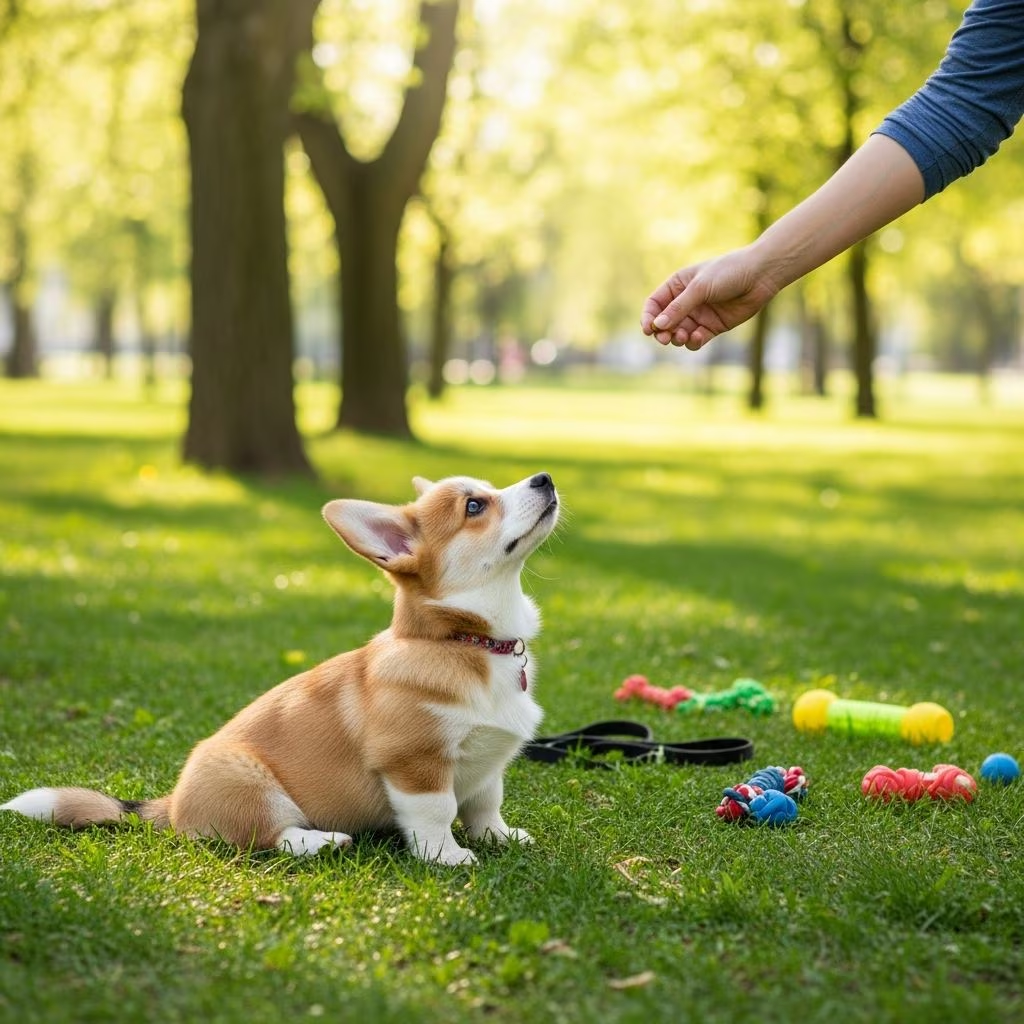
Corgi puppies, with their intelligence and herding instincts, thrive on structured training that channels their energy positively. This guide outlines a comprehensive approach to developing good behaviors from an early age, focusing on consistency, patience, and reward-based methods to foster a loyal family pet.
Understanding the Corgi Breed’s Unique Traits
Corgis, particularly Pembroke and Cardigan varieties, are bred for herding, making them alert, energetic, and quick learners. Their smarts mean they pick up commands fast but can also develop stubborn streaks if bored. Recognizing these traits helps tailor training to prevent issues like nipping or excessive barking.
- High energy levels: Require daily mental and physical outlets to avoid destructive habits.
- Food motivation: Ideal for treat-based rewards during sessions.
- Social nature: They bond deeply with family but need exposure to build confidence around strangers.
Starting training young leverages their curiosity, setting the foundation for lifelong obedience.
Building a Strong Foundation: Early Socialization Essentials
Between 8 and 16 weeks, Corgi puppies enter a critical socialization window. Expose them gradually to various stimuli to prevent fearfulness later. Take them to parks or busy streets, rewarding calm behavior with treats to associate new experiences positively.
Introduce grooming routines early—brush fur, trim nails, and clean ears while offering praise. This desensitizes them to handling, making vet visits stress-free. Play recordings of crowds or traffic to mimic real-world noises, always pairing with affection.
| Age Range | Socialization Focus | Activities |
|---|---|---|
| 8-12 weeks | People and sounds | Park visits, treat rewards for calm sitting |
| 12-16 weeks | Handling and environments | Grooming sessions, car rides |
Consistent exposure ensures adaptability, reducing reactivity as adults.
Mastering Housebreaking and Crate Comfort
Housebreaking Corgis relies on crate training, as they naturally avoid soiling their sleeping area. Select a crate sized for their adult form—about 30 inches long—and make it inviting with bedding and toys. Feed meals inside to build positive associations.
Establish a routine: Take puppies out first thing in the morning, after meals, and every 2-3 hours. Praise and treat immediately after they eliminate outside. Accidents happen; clean with enzymatic cleaners and avoid punishment, which erodes trust.
- Confine to crate when unsupervised.
- Watch for pre-potty signals like circling.
- Gradually increase crate time to build bladder control.
By six months, most Corgis achieve reliable house manners with this method.
Essential Obedience Commands for Safety and Control
Teach core commands like sit, stay, come (or “here”), leave it, and drop it by six months. Corgis respond well to clicker training or food lures. For “sit,” hold a treat above their nose, moving it back until they sit, then reward.
“Stay” and “wait” prevent bolting—practice by having them hold position while you step away, rewarding returns. “Leave it” curbs grabbing hazards; offer a better treat trade. Use mealtimes: Make them sit and wait before eating to reinforce daily.
Advanced: “Heel” for leash walking, “down” for settling, and “off” for furniture. Short, fun sessions (5-10 minutes) multiple times daily keep engagement high.
Addressing Common Behavioral Challenges
Corgis may nip, jump, or bark due to herding heritage. Redirect nipping to toys, ignoring unwanted mouthing. For jumping, turn away and reward four-on-the-floor.
Prevent resource guarding by trading toys or food with higher-value items from puppyhood. Practice handling paws and mouth gently for vet prep.
| Behavior | Positive Fix | Avoid |
|---|---|---|
| Nipping/Mouthing | Redirect to chew toys, praise calm | Yelling or physical correction |
| Jumping | Ignore, reward sitting | Pushing down |
| Barking | Teach quiet command with treats | Shouting |
Positive methods build trust over fear.
Exercise and Mental Stimulation Strategies
Corgis need 60-90 minutes of daily activity to combat obesity risks. Combine walks, fetch (they excel naturally), and puzzle toys. Enroll in puppy classes for socialization and skills like Canine Good Citizen.
Herding games or agility prep channel instincts. Rotate toys to maintain interest, using kibble in feeders for mental work.
- Fetch sessions: Build endurance.
- Training games: Hide-and-seek for recall.
- Daily walks: Vary routes for novelty.
Grooming and Health Maintenance Training
Regular grooming prevents mats in their double coat. Brush weekly, introducing tools positively. Toothbrushing with dog paste and nail trims from 8 weeks ease future care.
Monitor weight; feed measured portions of quality puppy kibble, transitioning per breeder advice.
Long-Term Training Success Tips
Consistency across family members prevents confusion. Never use crate as punishment or leave pups alone over 6 hours. Enroll in obedience classes post-vaccinations.
Track progress: By one year, expect reliable basics, housebreaking, and routine acclimation.
Frequently Asked Questions (FAQs)
What’s the best age to start training a Corgi puppy?
As early as 8 weeks, focusing on socialization and basics.
How do I stop my Corgi from herding/nipping at heels?
Redirect to toys and teach “leave it”; provide outlets like fetch.
Are Corgis easy to crate train?
Yes, with positive routines; most succeed by 6 months.
What treats work best for Corgi training?
Small kibble pieces or soft treats; they’re highly food-motivated.
Can Corgis participate in dog sports?
Absolutely—obedience, agility, and herding suit their traits.
References
- How to Train a Corgi: Corgi Puppy Training Timeline — American Kennel Club (AKC). 2023. https://www.akc.org/expert-advice/training/train-corgi-corgi-puppy-training-timeline/
- Tips for first-time corgi owners — Willo the Corgi. 2023. https://willothecorgi.com/blog/tips-for-first-time-corgi-owners
- 5 Things to Teach Your Puppy FIRST | How To Train Your Corgi Puppy — Devon Willo (YouTube). 2021-09-07. https://www.youtube.com/watch?v=7rCMJ11YHIg
- Free Puppy Training Tips: Help a Corgi Learn Good Manners — David Codr, Doggone Problems. 2017-04-20. https://www.doggoneproblems.com/gracie-omahacorgi/



