

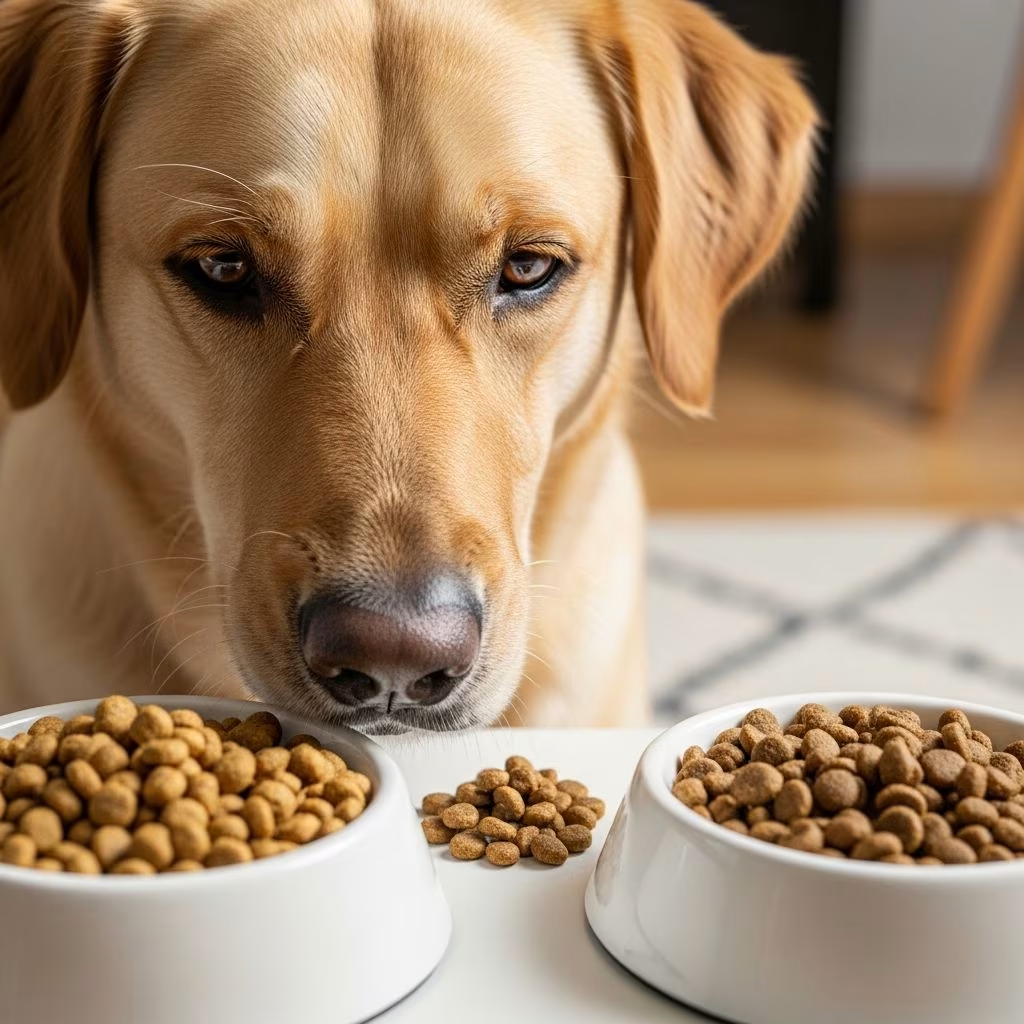
Changing your dog’s food requires careful planning to avoid digestive disturbances. A gradual approach over 7 to 14 days allows the gastrointestinal system to adapt, minimizing risks like diarrhea or vomiting.
Why Gradual Transitions Matter for Canine Digestion
Dogs’ digestive tracts process new ingredients best when introduced slowly. Sudden switches disrupt gut bacteria balance, leading to soft stools, gas, or appetite loss. Veterinary guidelines emphasize extending the process for sensitive stomachs, sometimes up to two weeks.
Key benefits include:
- Stable stool consistency as a health indicator
- Preserved energy levels and coat quality
- Reduced stress on the pancreas and intestines
Standard 10-Day Transition Schedule for Dry Kibble
For most adult dogs switching kibble brands, follow this proven timeline. Measure portions by volume for accuracy, and mix thoroughly to prevent selective eating.
| Days | Old Food | New Food |
|---|---|---|
| 1-3 | 75% | 25% |
| 4-6 | 50% | 50% |
| 7-9 | 25% | 75% |
| 10+ | 0% | 100% |
Observe stool firmness before advancing. If loose, pause and extend the phase by 1-2 days.
Adapting the Plan for Wet Food Changes
Wet foods transition faster due to higher moisture aiding digestion, often in 7 days. Layer new food at the bowl’s bottom initially, then mix as ratios shift.
| Days | Old Wet Food | New Wet Food |
|---|---|---|
| 1-2 | 75% | 25% |
| 3-4 | 50% | 50% |
| 5-6 | 25% | 75% |
| 7 | 0% | 100% |
For picky eaters, add warm water to enhance aroma without altering nutrition.
Switching Between Dry and Wet Foods
Combining formats challenges digestion more, so extend to 14 days. Offer in separate bowls side-by-side to encourage trial without forcing mixes.
| Phase | Dry (Old/New) | Wet (New) |
|---|---|---|
| Days 1-4 | 75% old | 25% |
| Days 5-9 | 50% old / 25% new | 50% |
| Days 10-13 | 25% new | 75% |
| Day 14 | 100% new dry or full wet | 100% |
Monitor for bloating; probiotics can support this shift.
Special Considerations for Puppies, Seniors, and Sensitive Dogs
Puppies under 6 months need slower intros due to immature guts—stretch to 14-21 days. Seniors or those with arthritis benefit from joint-support formulas, transitioning over 10-14 days while watching mobility.
For dogs with allergies or IBS:
- Hypoallergenic diets: Extend by 50%, introduce single proteins first
- Raw to kibble: 2-3 weeks minimum, freeze-dried toppers ease entry
- Grain-free switches: Test for itchiness or ear issues
Consult vets for prescription diets; some require direct oversight.
Boosting Acceptance with Toppers and Enhancers
Reluctant eaters respond to safe additives. Digestive enzymes (protease, amylase) pre-digest proteins, smoothing changes—sprinkle on meals during transition.
- Bone broth toppers for hydration and flavor
- Frozen veggies or yogurt for probiotics
- Prebiotics from pumpkin puree (1 tsp per 10 lbs body weight)
Avoid human foods; stick to pet-safe options to prevent imbalances.
Daily Feeding Routines to Support Transitions
End free-feeding: Schedule 2-3 meals daily at consistent times, limiting access to 15-20 minutes. This builds appetite and reveals intake accurately.
- Morning: Primary meal with mix
- Evening: Smaller portion, new food heavy
- Snacks: Training treats from new formula only
Fresh water always; elevated bowls reduce gulping.
Monitoring Your Dog’s Response Closely
Stool checks are vital: Firm, segmented stools signal success. Track in a journal:
- Energy: Normal playfulness?
- Appetite: Full bowl clearance?
- Coat/Skin: No itching or dullness
Weigh weekly; unexplained loss/gain warrants pause.
Troubleshooting Common Transition Issues
Diarrhea or vomiting? Fast 12-24 hours (water only), resume old food small portions, then halve new food increments.
| Issue | Symptom | Action |
|---|---|---|
| Soft Stools | Watery, frequent | Extend phase, add fiber (pumpkin) |
| Refusal to Eat | Leaves bowl >24h | Warm food, reduce old ratio slowly |
| Gas/Bloating | Burping, discomfort | Probiotics, smaller meals |
| Vomiting | Bile or food | Vet visit if >1x, revert fully |
Persistent issues (3+ days) mean vet check for allergies or parasites.
When to Seek Veterinary Guidance
Immediate vet if: bloody stools, lethargy, swelling, or no eating beyond 48 hours. Urgent switches (e.g., toxin exposure) allow quicker changes under supervision.
Pre-transition bloodwork helps for chronic conditions like kidney disease.
Long-Term Diet Rotation Strategies
After settling, rotate flavors within brands every 4-6 weeks—no full transition needed for similar formulas. This prevents boredom and nutrient gaps.
- Protein variety: Chicken to beef cycles
- Life stage matches: Adult to senior blends
- Seasonal adjusts: Higher calories in winter
Frequently Asked Questions
How long does it take to switch dog food?
Typically 7-14 days, adjustable based on tolerance.
Can I speed up the transition for a healthy dog?
Yes, up to 20% daily increases if stools stay firm, but monitor closely.
What if my dog won’t eat the new food?
Top with broth, hand-feed small amounts, or mix more old initially.
Is it okay to mix raw and kibble?
Yes, over 2 weeks; feed separately to avoid bacterial cross-contam.
Should puppies transition differently?
Slower, 14+ days, with growth-formula focus.
References
- How to Transition Dog Food | Switching Dog Food — Blue Buffalo. 2023. https://www.bluebuffalo.com/articles/dog/how-to-transition-dog-food/
- Changing Dog Food: How to Switch Dog Food — Purina. 2024. https://www.purina.com/articles/dog/feeding/guides/changing-dog-food-guide
- A Guide to Changing Your Dog’s Food — Wellness Pet Food. 2023. https://www.wellnesspetfood.com/blog/a-guide-to-changing-your-dogs-food-how-to-transition-to-new-wet-or-dry-foods/
- How to Transition Your Dog to a New Food — Nutrena Animal Feeds. 2024. https://nutrenaworld.com/blog/dogs-cats/how-to-transition-your-dog-to-a-new-food/
- How to Transition Your Dog to Stella & Chewy’s — Stella & Chewy’s. 2023. https://www.stellaandchewys.com/blogs/articles/how-to-transition-your-dog-to-stella-chewys
- Switching Dog Foods: How to Transition a Dog’s Diet — Mud Bay. 2024. https://blog.mudbay.com/best-dog-diet/switching-dog-foods/
- How to Switch Your Dog’s Food — PetMD. 2025-02-10. https://www.petmd.com/dog/nutrition/how-to-switch-your-dogs-food
- Tips and Timelines for Transitioning Your Pet to a New Food — AAHA. 2023. https://www.aaha.org/wp-content/uploads/globalassets/05-pet-health-resources/nutritionalresources/petparent/aaha-tips-and-timelines.pdf



