

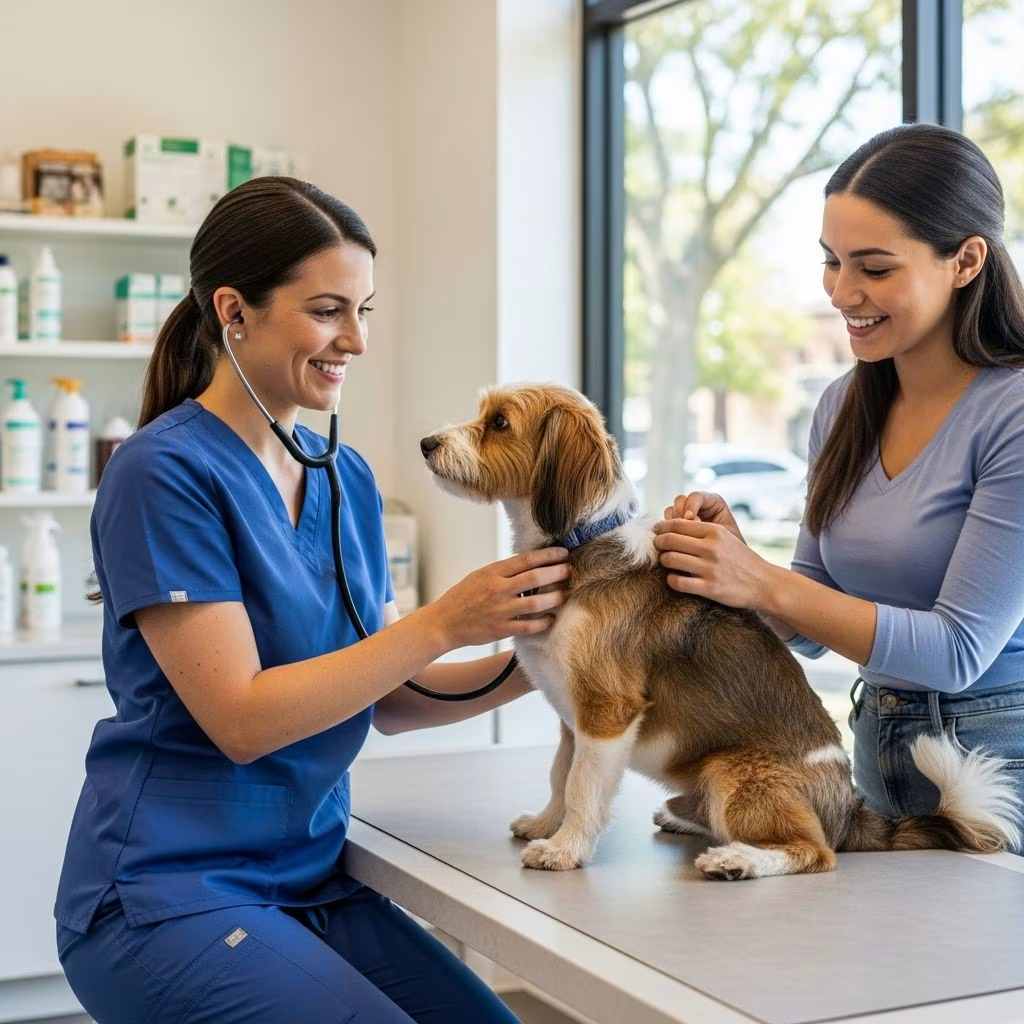
Visiting the veterinarian is a vital part of responsible pet ownership, yet it often triggers anxiety for both animals and their humans. By implementing thoughtful preparation strategies at home and during travel, you can transform these routine appointments into confident, low-stress events. This guide draws on proven techniques to help dogs and cats associate vet care with positivity, leading to better health outcomes and stronger bonds.
Building Comfort Through Daily Handling Practices
One of the most effective ways to ease your pet into vet exams begins long before the appointment day. Veterinary professionals routinely check sensitive areas like paws, ears, mouth, and abdomen, which can feel invasive if unfamiliar. Start by incorporating gentle touch sessions into your pet’s daily routine to desensitize them gradually.
- Paws and Nails: Lightly hold each paw, spread toes, and simulate nail trimming. Reward with high-value treats to reinforce calm behavior.
- Ears and Mouth: Peek inside ears and lift lips to inspect teeth, mimicking an oral exam. Keep sessions short—under a minute initially—to avoid overwhelm.
- Body and Tail: Run hands along the belly, back, and tail base, practicing restraint by holding the collar loosely.
Consistency is key; aim for 5-10 minutes daily. For puppies and kittens, begin as early as possible, but adults benefit too. This practice not only reduces fear but also alerts you to potential issues early.
Mastering Travel to the Vet Clinic
Car rides and carriers often precede the vet exam, turning them into anxiety triggers if not addressed. Proactive acclimation turns transportation into a neutral or enjoyable experience.
For Carrier Users (Cats and Small Dogs)
Introduce the carrier as a cozy hangout spot weeks in advance. Leave it open with soft bedding and sprinkle treats inside. Feed meals nearby, progressing to inside the carrier. For car trips, secure it on the back seat passenger side, cover with a light blanket to dim visuals, and play soft classical music—research shows it soothes pets.
For Leash-Walked Dogs
Take short drives ending in fun activities like park walks or playtime. Use a secure harness or crate for safety. Avoid large meals 2-3 hours prior to prevent motion sickness; consult your vet for anti-nausea options if needed.
Pro tip: Practice ‘happy drives’ multiple times weekly, gradually increasing duration. This rewires the association from ‘ride equals vet’ to ‘ride equals reward’.
Essential Pre-Visit Checklist
A well-organized checklist ensures nothing is overlooked, streamlining the day-of process. Customize based on your pet’s needs.
| Category | Items to Prepare |
|---|---|
| Documentation |
|
| Supplies |
|
| Pet Prep |
|
| Owner Prep |
|
Use this table as a printable reference. Bringing familiar items provides comfort, while documentation aids accurate diagnosis.
Strategies for a Calm Clinic Experience
Once at the vet, proactive steps keep stress minimal. Contact the clinic ahead for ‘puppy/kitten hours’ or quieter slots to limit exposure to other animals.
- Pre-Arrival Communication: Inform staff of sensitivities (e.g., mouth-shy, stranger anxiety) via phone or email. This equips them for gentle handling.
- Positive Reinforcement: Offer treats during exams; let your pet choose when ready. Praise lavishly for cooperation.
- Owner’s Role: Stay composed—pets mirror your energy. Breathe deeply, speak softly, and hold your pet if permitted.
- Clinic Socialization: Schedule non-appointment visits for treats and weigh-ins to build positive links.
For severe anxiety, discuss calming aids like pheromone diffusers or supplements with your vet.
Understanding the Vet Exam Process
Knowing what happens demystifies the visit. A standard wellness exam includes:
- History Review: Discussion of diet, behavior, and concerns.
- Physical Assessment: Heart/lung auscultation, temp check, abdominal palpation.
- Sensory Exams: Eyes, ears, teeth, skin, and lymph nodes.
- Preventives: Vaccines, parasite screens, fecal tests.
- Plan Discussion: Next steps, nutrition advice, or diagnostics.
Costs vary; expect $50-150 for basics, more with tests. Annual visits catch issues early, per AVMA guidelines.
Species-Specific Tips
Dogs: Active and Social
Larger breeds may need muzzle training for safety. Practice loose-leash walking in new environments. Reward stationary behavior during waits.
Cats: Stealthy and Sensitive
Towel wraps provide security. Use synthetic pheromones in the carrier. Minimize handling by allowing exams in-carrier if possible.
Puppies and Kittens: Prime Training Window
First visits set lifelong tones. Combine with socialization classes for comprehensive prep.
Frequently Asked Questions (FAQs)
How far in advance should I start preparing my pet?
Ideally 2-4 weeks, with daily sessions building to full simulations.
What if my pet is carsick?
Fast beforehand, use vet-recommended meds, and drive smoothly with AC on.
Can I stay with my pet during the exam?
Most clinics allow it; request in advance.
How often are vet visits needed?
Puppies/kittens: Every 3-4 weeks initially, then annually; adults: Yearly or bi-yearly for seniors.
What treats work best?
Soft, pungent ones like cheese or liver for quick rewards.
Long-Term Benefits of Prepared Visits
Consistent prep yields healthier pets through reliable exams and fewer missed issues. Owners report reduced stress over time, fostering trust in veterinary care. Track progress in a journal to refine techniques per pet.
References
- How to Prepare Your Dog for a Stress-Free Vet Visit — Bark Busters. 2023. https://www.barkbusters.com/news/preparing-your-dog-for-a-vet-visit
- Preparing Your Pet for the Vet — Grand Pet Care. 2024. https://grandpetcare.com/blog/1381588-preparing-your-pet-for-the-vet
- How Pet Owners Can Prepare Their Puppies for a Veterinary Visit — MPAH Vets. 2023. https://mpahvets.com/blog/prepare-puppy-for-veterinary-visit/
- Preparing Your Pet for a Vet Visit — Small Door Veterinary. 2024. https://www.smalldoorvet.com/learning-center/medical/preparing-for-vet-visit
- Preparing your pet for a successful veterinary visit — AAHA (American Animal Hospital Association). 2024. https://www.aaha.org/resources/preparing-your-pet-for-a-successful-veterinary-visit/
- Pet Wellness Exams: Costs and What To Expect — PetMD. 2025. https://www.petmd.com/general-health/pet-wellness-exams-how-prepare
- Ways to make veterinary visits better for everyone — AVMA (American Veterinary Medical Association). 2024. https://www.avma.org/resources/pet-owners/yourvet/10-things-you-can-do-make-veterinary-visits-better-everyone



