

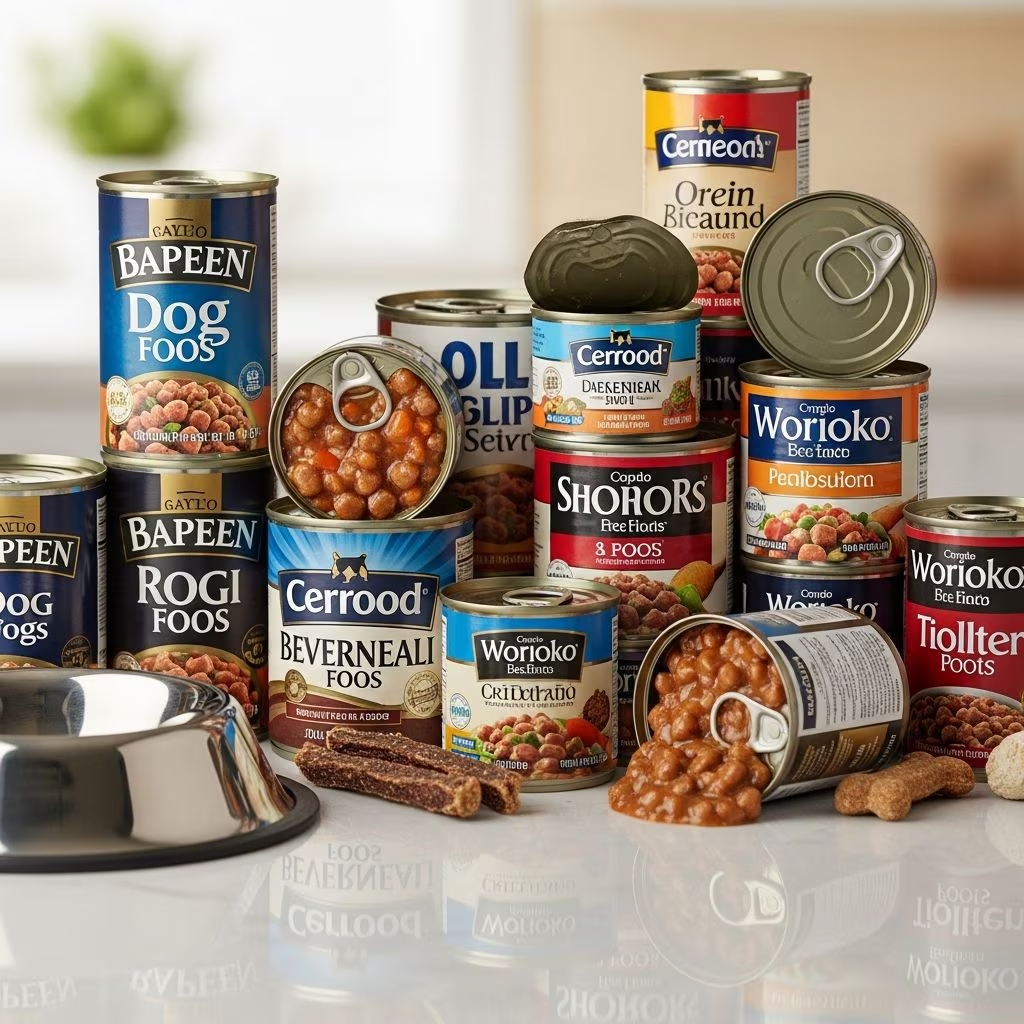
Canned dog food offers a moisture-rich, palatable option that supports hydration and appeals to picky eaters. This guide provides a step-by-step approach to choosing products that meet high nutritional standards for various canine needs.
Understanding the Appeal of Canned Dog Food
Canned varieties stand out due to their high water content, typically around 75-85%, which aids dogs prone to dehydration or urinary issues. Unlike dry kibble, these foods deliver more volume per calorie, allowing dogs to feel fuller without excess energy intake. Veterinary sources highlight their role in promoting water consumption, essential for conditions like kidney disease.
Palatability is another key benefit; the soft textures and aromas entice even finicky pets. Options range from smooth pates to chunky stews in gravy, catering to different preferences. For senior dogs or those with dental problems, the tenderness reduces chewing effort.
Key Nutritional Standards for Quality Canned Food
Superior canned foods prioritize named meat sources as primary ingredients, such as chicken or beef, followed by wholesome vegetables and minimal grains. Avoid products listing meat byproducts or fillers like corn syrup high on the list.
Association of American Feed Control Officials (AAFCO) guidelines ensure completeness for life stages like puppy, adult, or senior. Look for statements confirming the food is formulated to meet these profiles. Balanced levels of protein (around 8-10% minimum as-fed), fat (5% minimum), and fiber support overall vitality.
| Nutrient | Adult Maintenance Min (As-Fed) | Senior/Weight Control Min |
|---|---|---|
| Protein | 5.5% | 4.4% |
| Fat | 2.5% | 1.0% |
| Fiber (Max) | 12.0% | 20.0% |
Data adapted from AAFCO standards; always verify labels for specifics.
Ingredient Breakdown: What to Prioritize and Avoid
- High-Quality Proteins: Real meats like turkey, salmon, or lamb should dominate. These provide essential amino acids for muscle maintenance.
- Vegetable Additions: Carrots, peas, and spinach offer vitamins A, C, and K without excess carbs.
- Healthy Fats: Sources like fish oil deliver omega-3s for skin and coat health.
- Avoid: Artificial colors, excessive salt (over 1%), or unnamed “meals.” Opt for limited-ingredient formulas for allergy-prone dogs.
For sensitive stomachs, select limited-ingredient options with novel proteins like duck or venison. These minimize allergens while ensuring digestibility.
Texture Varieties and Their Benefits
Dogs have unique texture preferences, influencing intake. Pate provides a uniform smoothness ideal for easy lapping, especially for puppies or arthritic seniors. Chunky styles in gravy mimic fresh meals, engaging chewers.
- Pate: Smooth, nutrient-dense, easy to mix with meds.
- Chunks/Stews: Textured, hydrating, visually appealing.
- Shredded: Combines tenderness with bite-sized pieces.
Test small amounts to match your dog’s taste; warming slightly enhances aroma.
Tailoring Choices to Life Stage and Health Needs
Puppies
Growing pups require higher protein (22%+ dry matter basis) and calories for development. Formulas with DHA from fish support brain and eye health.
Adults
Balanced maintenance diets prevent obesity. Active breeds benefit from higher protein for endurance.
Seniors
Lower calorie, joint-supporting options with glucosamine suit aging dogs. Increased moisture combats dry mouth.
Special Conditions
- Urinary Health: High-moisture, low-magnesium recipes.
- Digestive Issues: Novel proteins, probiotics.
- Allergies: Grain-free or hydrolyzed proteins.
Practical Considerations: Cost, Storage, and Feeding
Expect higher costs per calorie due to packaging and moisture—about 2-3 times dry food. Buy in bulk cans for value, but prioritize freshness.
Storage: Refrigerate opened cans up to 3-5 days; discard uneaten portions after 30 minutes to prevent bacterial growth. Pouches offer single-serve convenience with similar moisture (60-65%).
Feeding Tips:
- Combine 25% canned with 75% kibble for balance.
- Measure by calories, not volume—consult feeding guides.
- Transition gradually over 7-10 days.
Decoding Labels and Certifications
Principal Display Panel lists life stage and calorie content. Ingredient list reveals quality—whole foods first. Guaranteed Analysis shows minimums/maximums.
Seek WSAVA-compliant brands or vet endorsements for reliability. Avoid hype like “human-grade” without substantiation.
Top Strategies for Long-Term Success
Monitor weight, stool quality, and energy. Annual vet checkups refine choices. Rotate flavors to prevent boredom while maintaining nutrition.
Frequently Asked Questions
Is canned dog food better than dry?
It excels in hydration and palatability but costs more. Best as a topper or full meal for specific needs.
How much canned food per day?
Depends on weight and activity; e.g., 1-2 cans (13 oz) for 50 lb dog. Use calorie calculators.
Can puppies eat canned food?
Yes, puppy-specific formulas support growth.
Does canned food cause diarrhea?
Possibly during transitions; introduce slowly.
Is it okay for daily feeding?
Absolutely, if AAFCO-approved and portion-controlled.
Conclusion
Selecting canned dog food involves balancing nutrition, preference, and practicality. Prioritize quality ingredients and vet advice for thriving pets.
References
- Dry, Canned, or Semi-Moist: Food Choices for Dogs — VCA Animal Hospitals. 2023. https://vcahospitals.com/know-your-pet/dry-canned-or-semimoist-food-choices-for-dogs
- Selecting the Right Pet Food — AAFCO. 2024. https://www.aafco.org/consumers/understanding-pet-food/selecting-the-right-pet-food/
- How to Choose the Best Dog Food — American Kennel Club. 2023. https://www.akc.org/expert-advice/nutrition/choosing-right-dog-food/
- Canned & Wet Dog Food Products — Purina. 2024. https://www.purina.com/articles/dog/feeding/types-of-dog-food/wet-dog-food
- Best Wet Dog Foods in 2026, Recommended by Veterinarians — PetMD. 2026-01-15. https://www.petmd.com/dog/vet-verified/best-wet-dog-foods



