

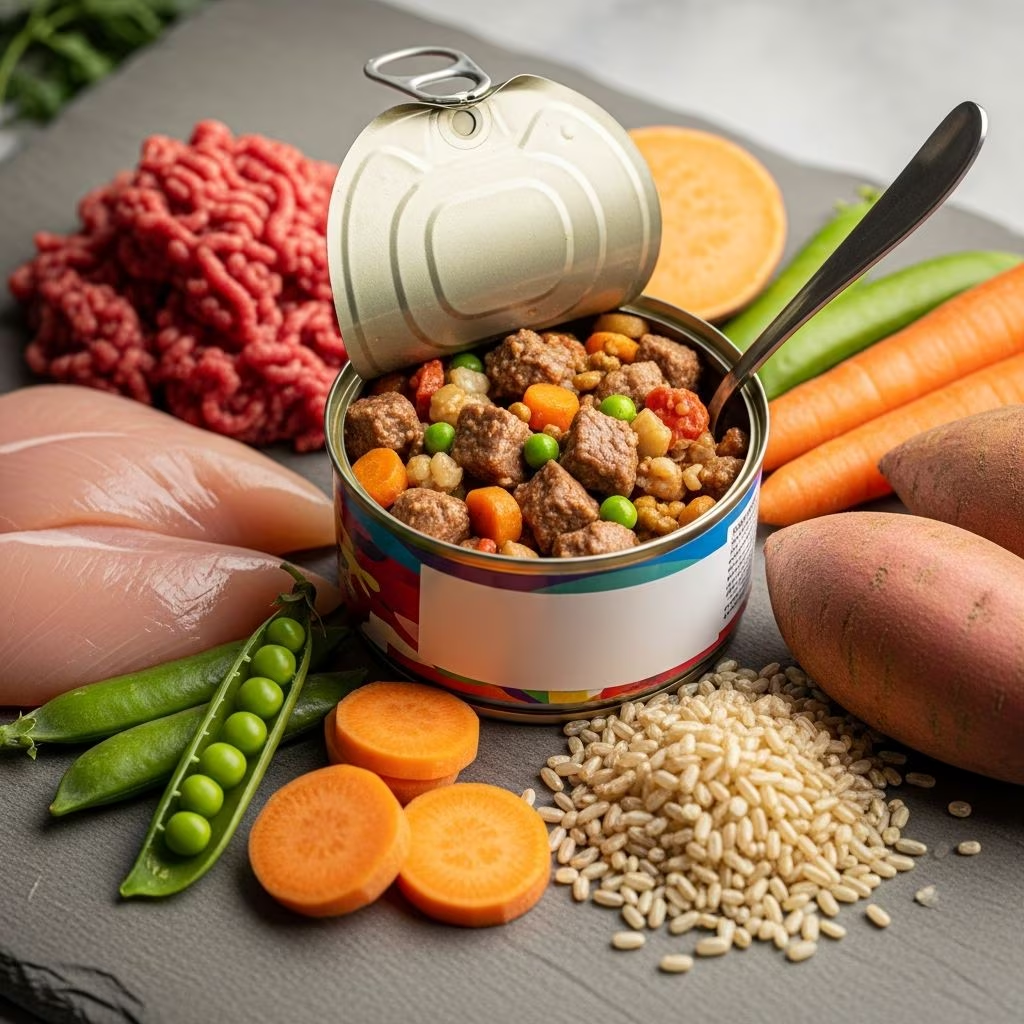
Canned dog food offers a nutritious, hydrating option for many pets, particularly those needing higher moisture intake or enhanced palatability. This guide explores essential criteria for choosing the best products, drawing from veterinary insights and nutritional standards to help you make informed decisions for your dog’s well-being.
Why Opt for Canned Dog Food in Your Pet’s Diet?
Canned varieties stand out due to their high water content, typically around 75-85%, which promotes better hydration compared to dry kibble. This is crucial for dogs prone to urinary tract issues or kidney conditions, as increased fluid intake supports organ function. The moisture also makes meals more appealing, encouraging picky eaters to consume balanced nutrition without added coaxing.
Beyond hydration, these foods often feature real meat as primary ingredients, delivering proteins in a digestible form. Textures vary from smooth pates to chunky stews in gravy, catering to different preferences and aiding dogs with dental sensitivities who benefit from softer consistencies.
- Hydration boost: Ideal for dogs that drink insufficient water independently.
- Palatability edge: Aroma and texture entice even finicky appetites.
- Lower calorie density: Allows larger portions for the same energy intake, satisfying hunger effectively.
Core Nutritional Standards for Quality Canned Food
Superior canned dog food meets or exceeds standards set by organizations like the Association of American Feed Control Officials (AAFCO). Look for labels stating ‘complete and balanced’ for all life stages or specific profiles like growth, maintenance, or senior support.
Protein should lead the ingredient list, ideally from named sources such as chicken, beef, or fish, comprising at least 8-10% on a dry matter basis. Fats provide energy and skin health support, targeting 5% or more, while carbohydrates from veggies and grains offer fiber without excess fillers.
| Nutrient | Minimum (As-Fed Basis) | Ideal Dry Matter % | Benefits |
|---|---|---|---|
| Protein | 8% | 30-40% | Muscle repair, energy |
| Fat | 5% | 15-20% | Coat health, vitality |
| Moisture | 75% | N/A | Hydration, digestion |
| Fiber | 1% | 3-5% | Gut regularity |
Avoid products heavy in by-products, artificial colors, or unnamed meat sources, as they may compromise digestibility and long-term health.
Matching Food to Your Dog’s Life Stage and Needs
Puppies require formulas with elevated protein and fat for rapid growth, often 25-30% protein on dry matter. Adult maintenance diets balance energy to prevent obesity, while seniors benefit from joint-supporting glucosamine and controlled phosphorus for kidney health.
Consider breed-specific needs: small dogs may need calorie-dense options, whereas large breeds prioritize joint care. For overweight pets, low-fat stews work well; active dogs thrive on high-protein chunks.
- Puppies: DHA for brain development, smaller portions frequently.
- Adults: Balanced for daily activity levels.
- Seniors: Antioxidants, reduced calories.
- Sensitive stomachs: Limited-ingredient recipes with novel proteins like duck.
Deciphering Labels: What to Read Between the Lines
Guaranteed analysis provides crude protein, fat, fiber, and moisture percentages. Calculate dry matter values by subtracting moisture from 100% and adjusting others accordingly—for instance, 10% protein at 80% moisture equals 50% dry matter protein.
Ingredient lists reveal quality: whole meats first signal premium formulation. Watch for split listings like ‘chicken and corn’ that inflate meat appearance. Certifications from the National Animal Supplement Council add credibility.
Transition gradually over 7-10 days to prevent digestive upset: mix 25% new food initially, increasing incrementally.
Popular Textures and Their Best Uses
Canned food comes in diverse forms, each suiting specific scenarios.
- Pâté: Smooth, easy to lap up; perfect for puppies or toothless seniors.
- Chunks in gravy: Hearty texture mimics fresh meat; great for energetic adults.
- Stews: Vegetable-integrated broths boost fiber; ideal for weight management.
Warm gently to enhance aromas, but cool before serving to avoid burns. Refrigerate leftovers up to three days, discarding uneaten portions after 30 minutes to prevent bacterial growth.
Cost vs. Value: Is Premium Worth the Price?
Canned food costs more per calorie due to packaging and moisture—often 3-4 times dry kibble. However, reduced waste from full servings and health benefits like fewer vet visits justify investment for many owners.
Buy smaller cans or multipacks matching weekly needs to maintain freshness. Mixing 25% canned with kibble stretches value while adding moisture.
Top Ingredients to Prioritize and Avoid
Seek antioxidant-rich fruits like blueberries, omega-3 sources such as salmon oil, and probiotics for gut health. Steer clear of excessive salt, sugars, or preservatives like BHA/BHT, which lack long-term safety data.
For allergies, opt for hydrolyzed proteins or single-protein diets from brands specializing in veterinary nutrition.
Storage, Feeding, and Safety Best Practices
Unopened cans store in cool, dry places for years. Post-opening, cover and chill, using within days. Clean bowls daily to deter bacteria.
Feed based on weight and activity: a 20-lb dog might need 1-1.5 cans daily, adjusted via body condition scoring. Consult vets for medical diets.
Frequently Asked Questions
Can canned food be the sole diet?
Yes, if AAFCO-approved as complete; many thrive exclusively on it for hydration perks.
Is it better than dry food?
Depends on needs—canned excels in moisture, dry in convenience and dental benefits.
How to spot recalls?
Check FDA pet food recall site regularly and buy from reputable makers with transparent testing.
Best for picky eaters?
Varied textures and warming enhance appeal; rotate flavors sparingly.
Suitable for all breeds?
Tailor to size, age, health—e.g., grain-free for some allergies, though not universally needed.
Real-World Tips from Pet Owners and Vets
Veterinarians recommend trialing small packs first, monitoring stool quality and energy. Owners report shinier coats and enthusiasm at mealtimes with quality switches.
References
- Dry, Canned, or Semi-Moist: Food Choices for Dogs — VCA Animal Hospitals. 2023. https://vcahospitals.com/know-your-pet/dry-canned-or-semimoist-food-choices-for-dogs
- Whole Dog Journal’s Approved Canned Dog Foods — Whole Dog Journal. 2024. https://www.whole-dog-journal.com/food/whole-dog-journals-approved-canned-dog-foods/
- Best Wet Dog Food for Every Breed and Need — Smoochie Pooch. 2025. https://smoochie-pooch.com/what-you-can-add-to-your-pets-food-bowl/
- Canned & Wet Dog Food Products — Purina. 2026. https://www.purina.com/articles/dog/feeding/types-of-dog-food/wet-dog-food
- 6 Best Wet Dog Foods in 2026, Recommended by Veterinarians — PetMD. 2026-03-01. https://www.petmd.com/dog/vet-verified/best-wet-dog-foods



