

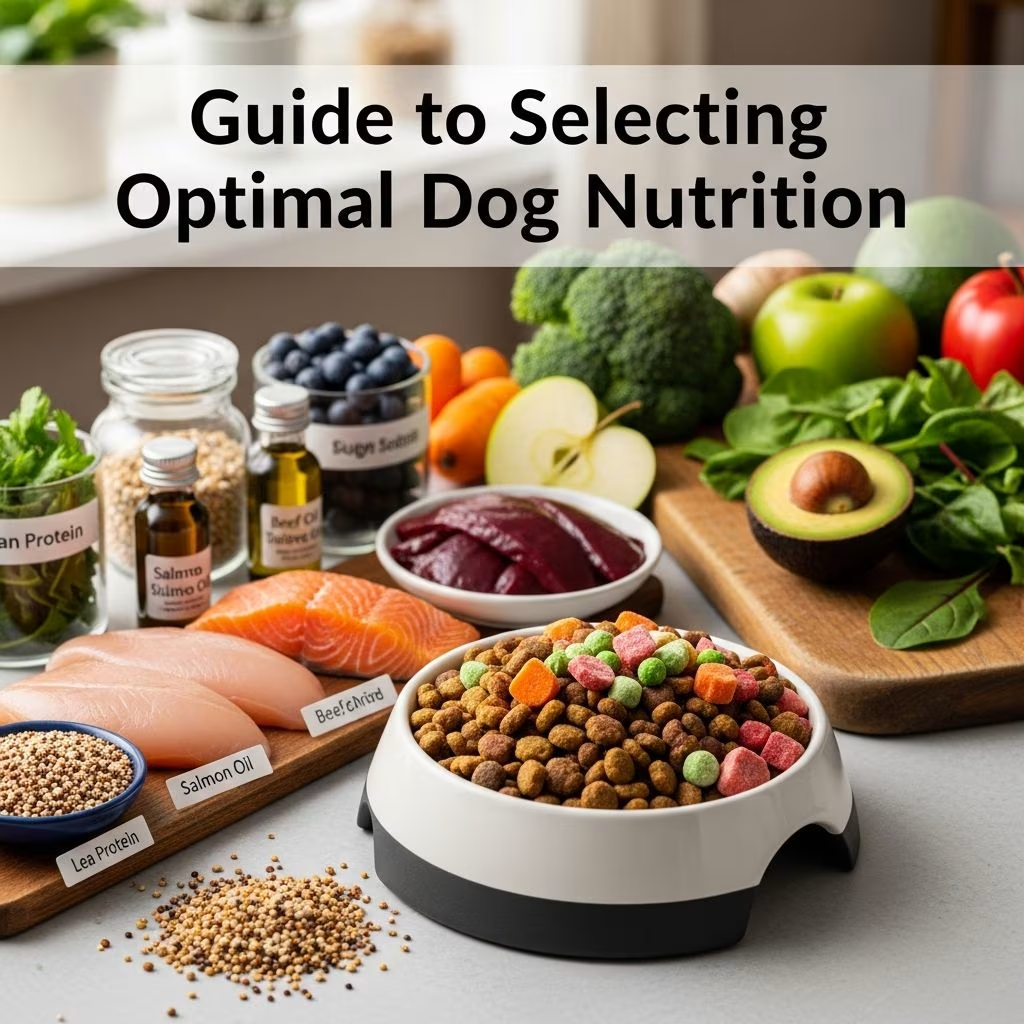
Choosing the right dog food is essential for maintaining your pet’s health, energy levels, and longevity. Factors like age, breed size, activity level, and specific health conditions all influence the best dietary choices. This guide provides a structured approach to evaluating options, ensuring your dog receives complete and balanced nutrition.
Understanding Your Dog’s Nutritional Foundation
Dogs require a precise blend of nutrients to thrive, including proteins, fats, carbohydrates, vitamins, minerals, and water. According to established guidelines, these components support everything from muscle development to immune function. Proteins, primarily from animal sources, deliver essential amino acids for tissue repair and growth. Fats provide energy and aid in absorbing fat-soluble vitamins, while carbohydrates offer quick energy and fiber for digestion.
Commercial dog foods must adhere to standards set by the Association of American Feed Control Officials (AAFCO), which define minimum requirements for different life stages. Look for the nutritional adequacy statement on labels, confirming the food is complete and balanced for growth, maintenance, or all life stages.
Decoding Dog Food Labels for Informed Choices
Labels reveal critical details but require careful interpretation. Ingredients are listed by weight, with the first few indicating primary components. Prioritize foods starting with named meat sources like chicken or beef over generic terms such as “meat meal.” The guaranteed analysis section shows minimum percentages of crude protein, fat, fiber, and moisture, helping compare nutritional profiles.
- Protein: Aim for at least 18-25% for adults, higher for puppies.
- Fat: 5-15% depending on activity; small breeds often need more.
- Fiber: 2-5% supports gut health.
- Calorie content: Listed as metabolizable energy (ME) to match feeding amounts.
Avoid overemphasizing ingredients low on the list, as they contribute minimally to nutrition. Special claims like “grain-free” or “limited ingredient” should align with veterinary advice for allergies or sensitivities.
Exploring the Variety of Dog Food Formats
Dog foods come in multiple forms, each with distinct advantages suited to preferences and lifestyles.
| Food Type | Pros | Cons | Best For |
|---|---|---|---|
| Dry Kibble | Convenient storage, dental benefits, cost-effective | Lower moisture, may need water addition | Everyday feeding, multi-dog homes |
| Wet Canned | High palatability, hydration boost, softer texture | Shorter shelf life post-opening, higher cost | Picky eaters, seniors, kidney issues |
| Semi-Moist | Soft yet shelf-stable, appealing taste | Often higher sugar, less common | Transitioning puppies |
| Raw or Home-Cooked | Fresh appeal, customizable | Risk of imbalance, bacterial concerns; requires expert formulation | Vet-supervised special diets |
Dry foods dominate due to affordability and convenience, while wet options excel in hydration for dogs prone to urinary issues. Mixing types can enhance variety and appeal.
Tailoring Food to Life Stages and Breed Sizes
Puppies: Fueling Rapid Growth
Puppies need diets with 22-32% protein and higher fat for development. DHA from fish oil supports brain and vision growth. Choose puppy-specific formulas until 12-24 months, depending on breed.
Adults: Sustaining Peak Condition
Adult maintenance focuses on balanced energy to prevent obesity. Active dogs benefit from 25-30% protein, while less active ones need controlled calories.
Seniors: Supporting Graceful Aging
Senior foods often feature joint supplements like glucosamine, lower calories, and digestible proteins to combat arthritis and weight gain.
Breed Size Considerations
Small breeds metabolize faster, requiring calorie-dense, small-kibble foods to prevent hypoglycemia. Large breeds need controlled calcium for bone health and joint support.
- Small breeds: Higher energy, tiny kibble.
- Large breeds: Glucosamine, chondroitin, moderate protein.
Evaluating Ingredient Quality and Special Diets
High-quality ingredients enhance bioavailability. Whole meats provide superior nutrition over by-products. Grains like rice and oats supply digestible carbs and fiber, debunking filler myths—dogs are omnivores capable of utilizing plant nutrients.
For special needs:
- Allergies: Limited-ingredient or novel proteins (e.g., duck, venison).
- Grain-Free: Monitor for heart risks; not inherently superior.
- Weight Management: Low-calorie, high-fiber formulas.
- Sensitive Stomachs: Hydrolyzed proteins, probiotics.
Consult vets before major changes, especially for home-prepared meals, which risk deficiencies without professional balancing.
Practical Strategies for Transitioning Diets
Abrupt switches can cause digestive upset. Gradually mix new food over 7-10 days: 25% new on day 1-2, 50% days 3-4, 75% days 5-6, full by day 7. Monitor stool quality, energy, coat shine, and weight as success indicators.
Common Pitfalls in Dog Food Selection
Steer clear of marketing hype over science. Trends like raw diets lack broad evidence and pose salmonella risks. Overfeeding based on cup measures ignores calorie density—use body condition scoring instead.
Frequently Asked Questions (FAQs)
What percentage of protein should dog food have?
Adults need at least 18%, puppies 22%+, per guidelines. Quality matters more than quantity.
Is wet food better than dry?
Neither is superior; choose based on your dog’s preferences and health needs. Wet aids hydration, dry supports teeth.
Can dogs eat grain-free diets long-term?
Possible, but recent studies link some to dilated cardiomyopathy. Consult a vet.
How often should I change my dog’s food?
Only if needed for health or age transitions. Stability prevents issues.
What’s the role of AAFCO in dog food?
They set U.S. standards for nutritional completeness, ensuring labels reflect true adequacy.
Building a Long-Term Feeding Plan
Regular vet check-ups refine choices. Track weight with a scale, aiming for an hourglass silhouette: visible waist, palpable ribs. Adjust portions quarterly, factoring exercise. Fresh water always available complements any diet.
Invest time in research—your dog’s vitality depends on it. Reputable brands meeting AAFCO standards form a reliable base, personalized tweaks elevate care.
References
- How to Choose Dog Food: What is the Best Food for Dogs? — Center Star Vet. 2024-08-15. https://www.centerstarvet.com/site/blog/2024/08/15/choose-dog-food
- What Should I Feed My Dog? — Elanco. Accessed 2026. https://yourpetandyou.elanco.com/us/health-and-care/what-should-i-feed-my-dog
- How To Choose the Right Dog Food — Wholesomes Pet Food. Accessed 2026. https://wholesomespetfood.com/how-to-choose-the-right-dog-food/
- Dog Nutrition: Guide to Dog Food Nutrients — PetMD. Accessed 2026. https://www.petmd.com/dog/nutrition/evr_dg_whats_in_a_balanced_dog_food
- Which Dog Food is the Best? How to Pick the Best Dog Food — Purina. Accessed 2026. https://www.purina.com/articles/dog/feeding/guides/how-to-choose-best-dog-food
- Selecting the Right Pet Food — AAFCO. Accessed 2026. https://www.aafco.org/consumers/understanding-pet-food/selecting-the-right-pet-food/
- Choosing the right food for your dog or cat — Animal Humane Society. Accessed 2026. https://www.animalhumanesociety.org/resource/choosing-right-food-your-dog-or-cat



