

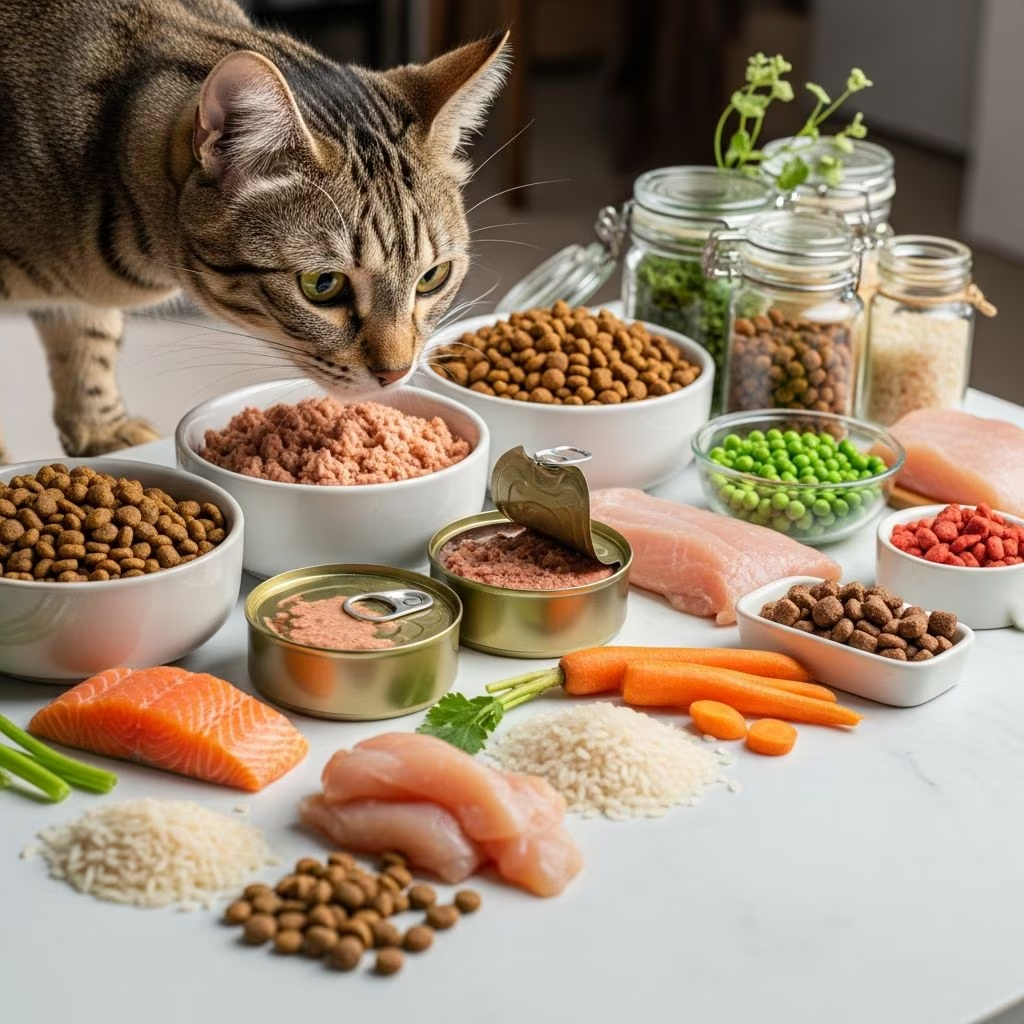
Cats, as obligate carnivores, demand diets rich in animal-derived proteins and specific nutrients to maintain health across all life stages. Selecting the right cat food involves evaluating ingredient quality, nutritional completeness, and suitability for your pet’s age and activity level.
Understanding Feline Nutritional Fundamentals
Felines require high levels of animal-based proteins to supply essential amino acids like taurine and arginine, which support heart function, vision, and muscle maintenance. Unlike omnivores, cats derive energy primarily from proteins and fats, with limited carbohydrate processing capacity.
Complete diets must include at least 13 vitamins, minerals, and fatty acids in precise ratios, often supplemented in quality formulas. The Association of American Feed Control Officials (AAFCO) establishes minimum standards, such as 26% crude protein for adult maintenance on a dry matter basis and 30% for growth stages.
Key Ingredients for Superior Nutrition
Prioritize foods listing named animal proteins—like chicken, turkey, or fish—as the primary ingredient. These provide complete amino acid profiles superior to plant sources, aligning with cats’ carnivorous biology. Aim for formulas with 30% or higher protein content to mimic natural prey diets.
- Essential Fatty Acids: Omega-3 and omega-6 from animal sources, plus arachidonic acid, promote skin health, immunity, and cognition.
- Taurine: Critical for cardiac and ocular health; deficiency risks include blindness and heart disease.
- Carbohydrates: Minimal and from digestible sources like peas or sweet potatoes, avoiding fillers like corn or wheat.
Avoid vague terms like ‘meat by-products’ unless specified; opt for transparency in sourcing.
Tailoring Food to Life Stages
Nutritional demands evolve, requiring stage-specific formulas for optimal development and maintenance.
Kitten Formulas (Birth to 12 Months)
Rapid growth demands elevated protein (at least 30% per AAFCO), calcium-phosphorus balance for bones, and DHA for brain-eye development. Feed 3-4 meals daily to sustain energy and prevent low blood sugar.
| Nutrient | Kitten Minimum (Dry Matter) | Benefit |
|---|---|---|
| Protein | 30% | Muscle & tissue growth |
| Fat | 9% | Energy for activity |
| DHA | 0.05% | Neural development |
Adult Maintenance (1-7 Years)
Sustain lean muscle with 26-35%+ protein, balancing calories to activity. Active cats need higher energy; sedentary ones require portion control to avoid obesity. Most adults need ~200 calories daily.
Senior Support (7+ Years)
Address muscle loss, joint issues, and cognitive decline with high protein, DHA-rich fish oils, and joint-support nutrients like glucosamine. Controlled calories prevent weight gain while preserving vitality.
Decoding Cat Food Labels
Labels reveal completeness: seek ‘complete and balanced’ statements meeting AAFCO profiles for growth, maintenance, or all stages. Guaranteed analysis shows minimum protein/fat, maximum fiber/moisture; convert to dry matter for wet food comparisons (dry matter = nutrient % / (100 – moisture %)).
Ingredient lists descend by weight; top entries should be quality meats. FEDIAF guidelines recommend per 100g dry matter or 1000 kcal metrics for precision.
Label Red Flags
- Excessive grains as top ingredients
- Missing AAFCO statement
- High carbohydrate levels (>10% dry matter)
- Unspecified meat sources
Wet vs. Dry: Formats and Benefits
Choose based on hydration, palatability, and lifestyle.
| Format | Moisture | Pros | Cons |
|---|---|---|---|
| Dry (Kibble) | 10% | Convenient, dental abrasion, calorie-dense | Low hydration risk, higher carbs |
| Wet (Canned) | 75-85% | High hydration, protein-rich, palatable | Costlier, shorter shelf life post-open |
Wet food aids urinary health and hydration, vital since cats drink little. Combine both for balance: wet for moisture, dry for convenience. Portion dry to cat’s head size max.
Feeding Strategies for Health
Measure portions to prevent overfeeding; use puzzle feeders for mental stimulation. Transition foods gradually over 7-10 days to avoid digestive upset.
- Multi-cat homes: Feed individually to match needs.
- Monitor weight monthly; adjust calories if gaining.
- Incorporate treats (<10% calories): plain cooked meats like chicken or fish.
Avoid toxic humans foods: onions, garlic, chocolate, grapes.
Special Considerations and Health Diets
For sensitivities, seek limited-ingredient or novel protein formulas. Prescription diets from vets address urinary, renal, or weight issues, often lower phosphorus. Consult professionals for allergies or chronic conditions.
Frequently Asked Questions
1. How much should I feed my cat daily?
Typically 200-300 calories, split into 2-3 meals, based on weight, activity, and food calorie density. Use label guidelines and vet input.
2. Is grain-free cat food better?
Not necessarily; quality carbs provide fiber. Focus on protein over grain absence unless allergies exist.
3. Can cats eat dog food?
No; lacks taurine and feline-specific nutrients, risking deficiency.
4. When to switch to senior food?
Around 7-11 years, or earlier for health signs like reduced activity.
5. What’s dry matter basis?
Nutrient percentage excluding water, standardizing wet/dry comparisons.
Regular vet check-ups ensure dietary suitability, adapting as needs change for peak feline wellness.
References
- The Ultimate Guide to Choosing the Right Cat Food — Nulo. 2023. https://nulo.com/blogs/nutrition/the-ultimate-guide-to-choosing-the-right-cat-food
- Cat Diet Guide: What Should I Feed My Cat? — Chewy. 2024. https://www.chewy.com/education/cat/food-and-nutrition/cat-nutrition
- A Guide to Cat Diet & Nutrition — Burgess Pet Care. 2023. https://www.burgesspetcare.com/pet-care/cats/a-guide-to-cat-nutrition/
- Nutritional Needs: A Guide To Selecting Cat Food — Texas A&M University College of Veterinary Medicine. 2022-10-15. https://vetmed.tamu.edu/news/pet-talk/selecting-cat-food/
- Feeding Your Cat — Cornell University College of Veterinary Medicine. 2024. https://www.vet.cornell.edu/departments-centers-and-institutes/cornell-feline-health-center/health-information/feline-health-topics/feeding-your-cat
- Complete and Balanced Pet Food — U.S. Food and Drug Administration. 2023-05-12. https://www.fda.gov/animal-veterinary/animal-health-literacy/complete-and-balanced-pet-food



