

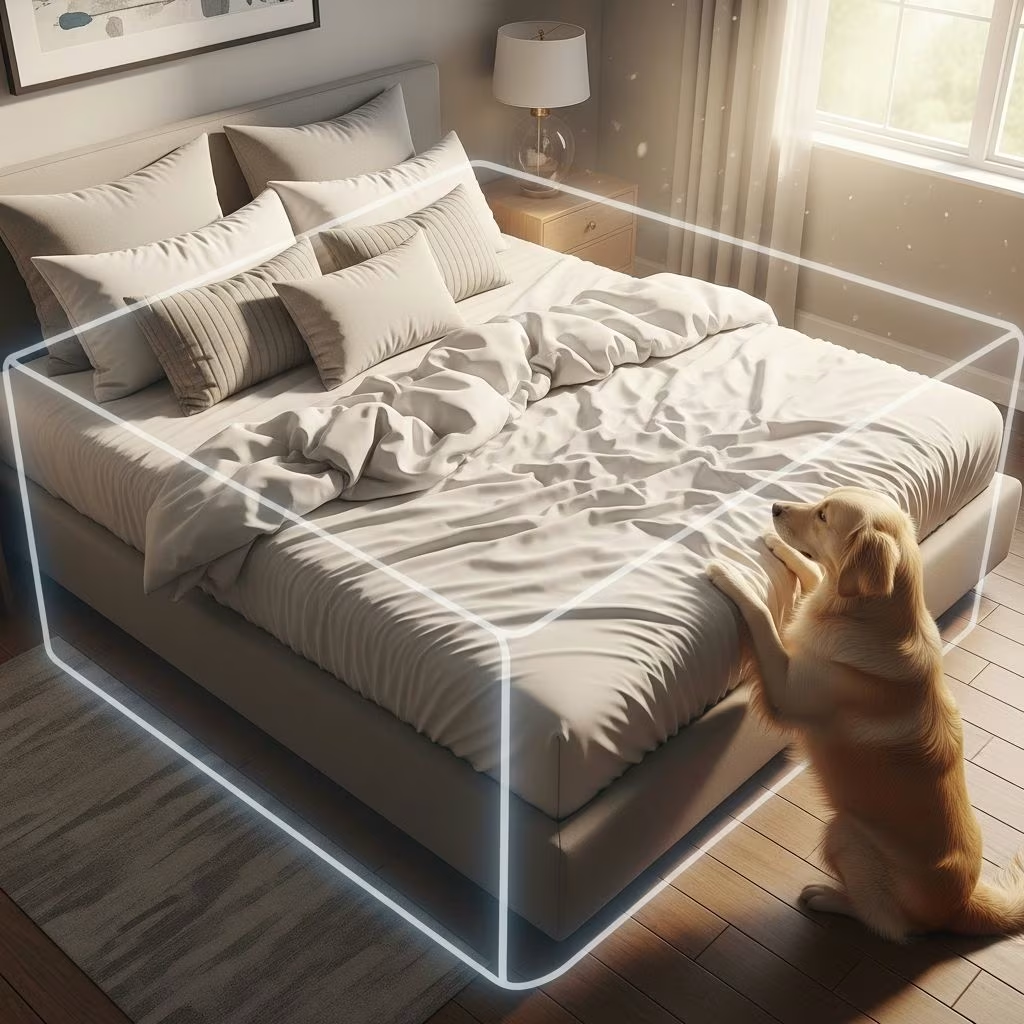
Many dog owners face the challenge of their pets preferring the human bed over their own designated sleeping area. This habit can disrupt sleep, introduce allergens, and sometimes signal deeper behavioral or health concerns. Transitioning your dog to its own bed promotes independence, improves hygiene, and ensures better rest for everyone. This comprehensive guide outlines proven steps to achieve this change humanely and effectively.
Understanding Why Dogs Choose Your Bed
Dogs are pack animals by nature, often seeking closeness to their family for security and warmth. Your bed offers soft surfaces, familiar scents, and elevation that mimic protective dens. Factors like anxiety, insufficient exercise, or an unappealing dog bed can reinforce this preference. Recognizing these motivations allows for targeted solutions rather than frustration.
- Comfort and Security: Beds provide cushioning and a sense of enclosure that basic floors lack.
- Temperature Regulation: Body heat from owners keeps dogs cozy, especially in cooler environments.
- Habit Formation: Early allowances create routines hard to break without consistent effort.
Assessing Your Dog’s Needs Before Changes
Before implementing training, evaluate your dog’s current setup. Observe sleeping positions—curled up, stretched out, or side-lying—to match bed features accordingly. Check for signs of discomfort like frequent position changes, which might indicate joint pain or age-related issues. Consulting a veterinarian rules out medical causes such as arthritis, common in older dogs.
| Sleeping Position | Ideal Bed Type | Benefits |
|---|---|---|
| Curled/Nesting | Donut or Bolster | High sides for security |
| Stretched Out | Flat Orthopedic | Ample space, joint support |
| Side Sleeper | Raised or Cooling | Airflow, pressure relief |
Selecting the Perfect Dog Bed
Investing in a suitable bed is foundational. Opt for durable, washable materials that resist chewing and shedding. Orthopedic foam suits senior or large breeds, providing memory support for hips and joints. For hot climates, cooling gels or elevated designs prevent overheating. Measure from nose to tail base, adding 10-20% for movement. Test textures—some dogs prefer plush, others firm.
Enhance appeal by adding familiar items: a worn t-shirt with your scent or a favorite toy. This bridges the transition, associating the new bed with positivity.
Strategic Placement for Success
Location influences acceptance more than the bed itself. Position in a quiet, low-traffic zone away from drafts, loud appliances, or direct sun. Many dogs thrive near family areas for reassurance without bed access—try the bedroom corner initially. Rotate spots based on daytime naps to align with natural preferences.
- Proximity to humans reduces separation anxiety.
- Avoid high-traffic zones to minimize disturbances.
- Elevate slightly for security without mimicking your bed height.
Training Techniques with Positive Reinforcement
Positive methods build lasting habits without stress. Start with a cue like “place” or “kennel.” Lure with treats onto the bed, rewarding contact, then settling. Gradually extend duration: 5 seconds, then minutes, using a timer. Consistency across household members prevents confusion.
- Guide dog to bed with treat trail.
- Say cue and praise profusely upon entry.
- Increase time before release; ignore attempts to leave.
- Practice daytime sessions, 3-5 daily.
Use your scent on a blanket for comfort during nights. If caught on your bed, calmly redirect with the cue—no scolding, as it fosters negativity. Patience yields results in 1-4 weeks.
Daily Routines to Promote Independent Sleep
Structure enhances training. Establish bedtime rituals: evening walks for exhaustion, dim lights, and calm interactions. Sufficient daytime exercise—60-90 minutes for most breeds—ensures tiredness. Mental stimulation via puzzles or training tires mentally too.
Avoid pre-bed excitement like rough play. Feed last meal 3-4 hours prior to settle digestion. Crate training aids puppies, placed bedside initially for security.
Addressing Resistance and Common Challenges
Persistence varies by age, breed, and history. Puppies adapt quickest; seniors may need orthopedic upgrades. Anxious dogs benefit from pheromone diffusers mimicking maternal scents. Track progress in a journal to adjust tactics.
- Whining: Ignore after ensuring needs met; reward silence.
- Escapes: Use barriers or tethers temporarily.
- Regression: Revert to basics; check for changes like illness.
For aggression around beds, seek professional trainers immediately—safety first.
Enhancing the Sleep Environment
Accessories elevate appeal. Calming toys, chew-safe blankets, or heated pads (supervised) add allure. Maintain cleanliness: weekly washes with pet-safe detergents control odors and allergens. Vacuum surroundings to deter pests.
Seasonal tweaks—light fabrics in summer, insulating in winter—keep comfort year-round.
Long-Term Maintenance and Prevention
Sustain habits by rewarding occasional checks. Introduce new beds gradually with scents and play. Monitor aging: switch to supportive models proactively. Involve family in routines for uniformity.
Benefits extend beyond sleep: reduced allergies, better boundaries, and a more confident dog. Most owners report improved rest post-transition.
Frequently Asked Questions
Is it okay to let my dog sleep in my bed sometimes?
Occasional allowances can undo training. Consistency is key for permanent change.
How long does training take?
Typically 1-4 weeks with daily practice, varying by dog.
What if my dog has separation anxiety?
Start bedside, use calming aids, and consult a behaviorist if persistent.
Can puppies learn this?
Yes, early crate training sets lifelong habits.
Does breed matter?
Velcro breeds like Labs may resist more; independent ones adapt faster.
Potential Health Benefits of Separate Sleeping
Independent sleeping aids hygiene, reducing dander transfer linked to human allergies. Dogs gain better posture on supportive beds, mitigating joint strain. Owners enjoy uninterrupted sleep, boosting mood and health.
References
- Why Won’t My Dog Sleep in Its Bed? Causes, Solutions and Vet Tips — PetCareShed. 2023. https://petcareshed.com.au/blogs/pet-supplies/why-wont-my-dog-sleep-in-its-bed-causes-solutions-vet-tips
- Train Your Dog To Stop Sleeping In Your Bed — Petworks. 2023. https://www.petworks.com/articles/train-dog-stop-sleeping-in-bed/
- All About Dogs Sleeping in the Bedroom — Susan Garrett Dog Agility. 2020-03-01. https://susangarrettdogagility.com/2020/03/dogs-sleeping-in-the-bedroom/
- Dog on Bed: 5 Rules Every Owner Should Know — Rubyloo. 2023. https://rubyloo.co/blogs/news/dog-on-bed
- Pros and Cons of Your Dog Sleeping in Your Bed — Vital Essentials. 2023. https://www.vitalessentials.com/raw-guide/to-sleep-or-not-to-sleep-the-pros-and-cons-of-allowing-your-dog-to-sleep-in-your-bed



