
Guide to Fostering Cats
Discover how to become a cat foster parent, from application to daily care and finding forever homes for rescued felines.
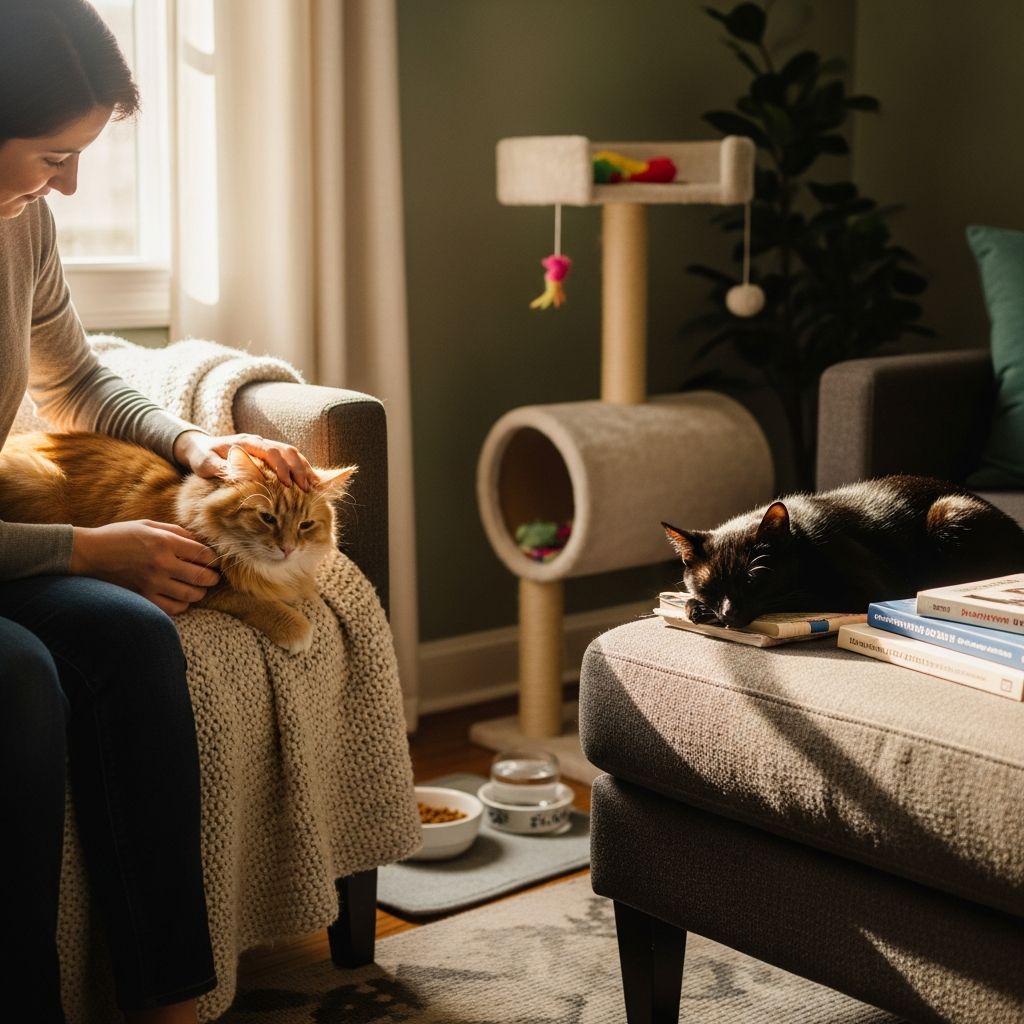
Fostering cats offers a vital lifeline to animals in need, providing temporary homes that boost their chances of adoption. Rescue organizations rely on dedicated volunteers to care for cats until they find permanent families, covering most expenses while fosters handle daily nurturing.
Why Fostering Cats Matters
Cat fostering addresses shelter overcrowding by giving cats individualized attention in home environments. This setup allows for better socialization, medical recovery, and behavior assessment, increasing adoptability. Many rescues prioritize fostering kittens, seniors, or those with health issues, as these cats thrive outside high-stress kennels.
Volunteers gain rewarding experiences, learning animal care skills and witnessing transformations. Fosters often form bonds but understand the goal is adoption, preparing cats for new lives.
Assessing Your Readiness for Cat Fostering
Before applying, evaluate your lifestyle to ensure a good fit. Consider these factors:
- Household Composition: Do you have pets, children, or roommates? Cats need safe introductions to avoid conflicts.
- Living Space: Identify a quiet, cleanable area like a bathroom or spare room for isolation if needed.
- Time Availability: Can you commit to feeding, playtime, and vet trips? Neonates demand round-the-clock care.
- Financial Flexibility: Though rescues supply basics, budget for unexpected costs like laundry.
- Emotional Preparedness: Saying goodbye is challenging; focus on the impact of saving lives.
Renters should check lease terms for pets, and those with multi-pet homes assess compatibility. No prior experience is required—many rescues train newcomers.
Selecting the Right Rescue Organization
Research local groups via searches for “cat foster near me.” Look for transparency in policies, support levels, and success rates. Key questions include:
| Aspect | What to Ask |
|---|---|
| Support Provided | Food, litter, medical care, supplies? |
| Foster Types | Kittens, adults, medical cases, litters? |
| Commitment Length | Short-term (weeks) or long-term? |
| Transport Help | Assistance with vet visits? |
| Training | Orientations or resources available? |
Organizations like humane societies often cover vet bills and match cats to your profile. Proximity matters for appointments.
Navigating the Application Process
Applications typically involve online forms detailing your home, experience, and availability. Expect:
- Background Check: References and sometimes home visits verify suitability.
- Interview: Discuss motivations and scenarios, like handling sick kittens.
- Orientation: Training on protocols, health monitoring, and behavior tips.
- Approval: Sign agreements outlining rules, like no unauthorized sitters.
Age minimums apply (often 18+), and some restrict multi-fostering. Approval can take days to weeks.
Preparing Your Home for Incoming Cats
Create a foster-specific space with:
- Scratching posts, toys, beds for enrichment.
- Litter boxes (one per cat plus one), food/water stations.
- Easy-clean surfaces; linoleum beats carpet for hygiene.
- Isolation setup for quarantine, preventing disease spread.
Stock extras: blankets, carriers for transport. Sanitize thoroughly between fosters.
Understanding Your Core Responsibilities
Fosters provide hands-on care while rescues handle big costs. Daily duties include:
- Basic Needs: Fresh food, water, clean litter; monitor intake/output.
- Socialization: Play, cuddles to build trust and adoptability.
- Health Watch: Note symptoms like lethargy or diarrhea; report promptly.
- Vet Transport: Attend appointments for vaccines, spays, treatments.
- Communication: Update coordinators daily/weekly via app or email.
- Marketing: Share photos, videos for adoption events.
Follow behavior protocols: reward good habits, ignore bad ones using positive reinforcement.
Types of Cats Needing Foster Homes
Match your skills to needs:
- Kittens: Weaning (4-8 weeks) or orphans needing bottle-feeding every 2-3 hours.
- Pregnant/Queens with Litters: Until kittens are 8 weeks and fixed.
- Seniors: Meds, special diets, mobility aids.
- Medical Cases: Ringworm, injuries, post-surgery recovery.
- Behavior Challenges: Shy or under-socialized cats needing confidence-building.
Start simple if new, like healthy juveniles.
Daily Care Routines for Foster Cats
Establish schedules:
- Morning: Feed, scoop litter, play session.
- Day: Enrichment toys if alone; monitor via camera if possible.
- Evening: Second meal, grooming, lap time.
- Health Checks: Weigh kittens weekly, track meds precisely—never stop early.
For litters, separate by age to prevent nursing adults. Neuter timing varies by weight/age.[10]
Handling Health Issues and Emergencies
Common issues: upper respiratory infections, parasites. Protocols:
- Isolate sick cats immediately.
- Contact coordinator before own vet—use theirs to avoid costs.
- Administer meds as prescribed; observe for 5 days max before update.
- Emergencies: Call rescue first, then vet if critical.
Vaccines and tests (FIV/FeLV) occur pre-foster when possible.
Socializing and Training Foster Cats
Key to adoption: expose to handling, sounds, other pets gradually. Use clickers or treats for litter training, scratching on posts. Log progress for adopter handoff.
The Adoption Journey: From Foster to Forever
Meet potential adopters courteously; provide care histories. Some fosters assist meet-and-greets. Celebrate adoptions—many rescues notify you of outcomes.
Common Challenges and Solutions
Attachment: Remind yourself of the mission; foster multiple to spread love.
Litter Accidents: More boxes, enzyme cleaners.
Household Stress: Separate spaces, short-term fosters first.
Supply Shortages: Request refills promptly.
Frequently Asked Questions
What costs do I cover as a foster?
Most rescues provide food, litter, meds; you may buy toys or handle laundry/gas.
Can I foster if I work full-time?
Yes, with dedicated spaces and predictable schedules; some allow daycare transport.
How long do I foster a cat?
Typically 2-8 weeks, depending on type; rescues set timelines.[10]
What if my pet doesn’t like the foster?
Choose solo cats or use barriers; rescues match based on your info.
Do I need cat experience?
No—training provided; start with easy cases.
Next Steps to Start Fostering
Search local rescues, submit applications, attend orientations. Your home could save lives—get involved today!
References
- Foster – Gateway Pet Guardians — Gateway Pet Guardians. Accessed 2026. https://gatewaypets.org/how-to-help/foster/
- How to Become a Foster Cat Guardian — Preventive Vet. Accessed 2026. https://www.preventivevet.com/cats/how-to-become-a-cat-foster-guardian
- Become a Foster Pet Guardian — Rimrock Humane Society. Accessed 2026. https://www.rimrockhumanesociety.org/get-involved/become-foster-pet-guardian/
- Foster Care Provider Job Description — Humane Society of Chittenden County. Accessed 2026. https://www.hsccvt.org/files/galleries/Foster_care_provider_job_description.pdf
- Foster Home Responsibilities — Virginia Beach SPCA. Accessed 2026. https://vbspca.com/foster-home-responsibilities/
- Cat Foster Care Manual — Best Friends Animal Society. Accessed 2026. https://bestfriends.org/pet-care-resources/cat-foster-care-manual
- What are my responsibilities as a foster parent? — Animal League. Accessed 2026. https://www.animalleague.org/faq-items/what-are-my-responsibilities-as-a-foster-parent/
Similar Articles








Read full bio of Sneha Tete




