

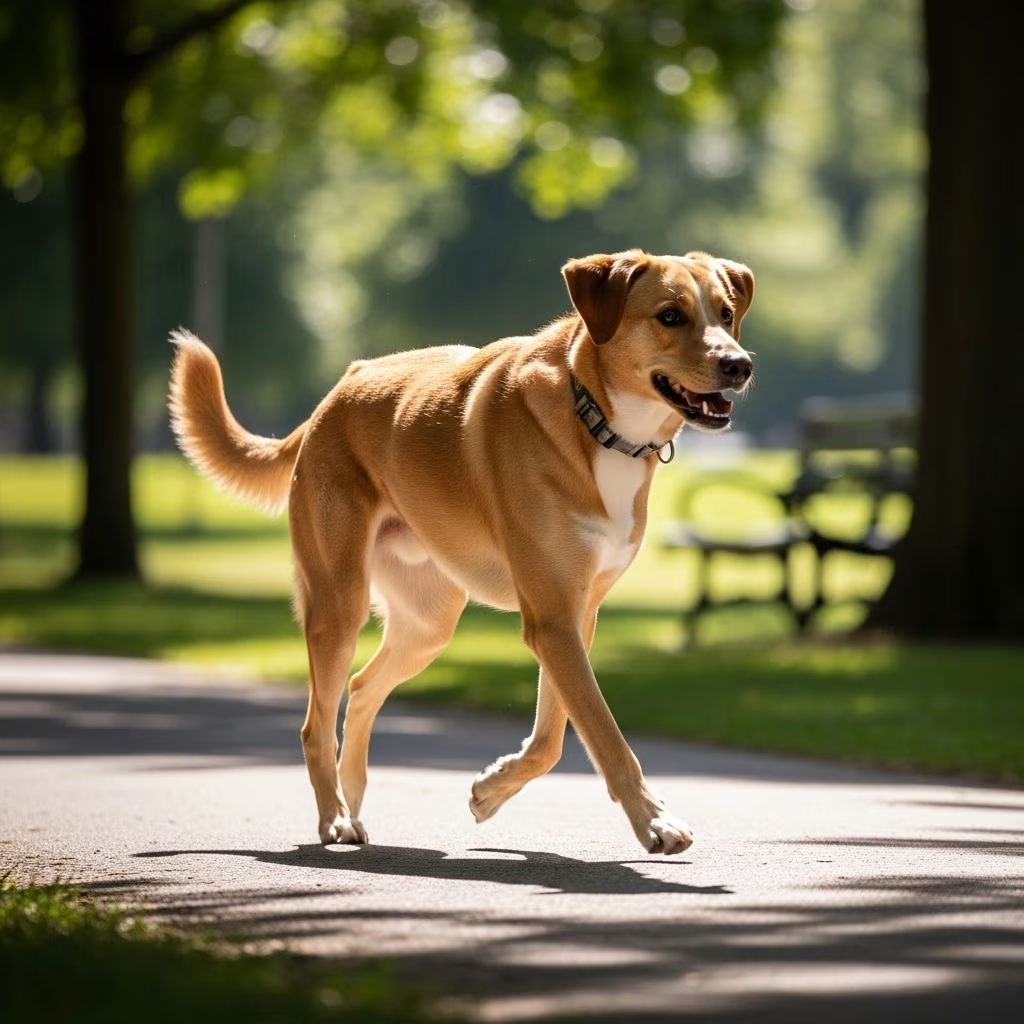
Obesity affects a significant number of dogs, leading to health issues like joint problems, diabetes, and reduced lifespan. A structured weight loss program can reverse these risks, with studies showing dogs can lose 1-2% of body weight weekly through targeted diets and lifestyle changes.
Understanding Canine Obesity Risks
Excess weight in dogs strains joints, particularly in breeds prone to osteoarthritis, and increases the likelihood of metabolic disorders. Research from the 2024 AVMA Convention highlights how overweight dogs with joint issues benefit from weight reduction, achieving up to 2.8 times more loss with specialized foods compared to standard diets. Common culprits include overfeeding calorie-dense foods and sedentary lifestyles.
Assessing Your Dog’s Ideal Weight
Determine if your dog is overweight using Body Condition Score (BCS), a 9-point scale where 4-5 is ideal. Feel the ribs—they should be palpable without excess fat. Calculate target weight by estimating 15-20% reduction from current weight for moderately obese dogs. Consult a vet for precise measurements, as factors like breed and age influence norms.
Choosing the Right Diet for Weight Reduction
Veterinary therapeutic diets formulated for weight loss are highly effective. A 12-week study showed dogs on a metabolic + mobility formula lost significantly more weight than those on regular adult food, even at similar calorie levels (1-1.1 times resting energy requirement). These foods are lower in fat, higher in fiber and nutrients to maintain satiety and nutrition on reduced calories.
- Key Diet Features: High protein to preserve muscle, increased fiber for fullness, reduced energy density.
- Calorie Calculation: Use 60-80 kcal per kg of target body weight^0.75 daily, adjusted for neuter status.
- Portion Control: Measure meals precisely; avoid free-feeding.
A multi-center study of 926 dogs confirmed an average 11% weight loss over 12 weeks with commercial weight loss diets.
Implementing a Feeding Schedule
Switch to 2-3 smaller meals daily instead of one large one to enhance satiety. Research suggests frequent feeding tricks dogs into feeling fuller. Gradually transition over 7-10 days to prevent digestive upset: mix 25% new food with 75% old on day 1, increasing incrementally.
| Week | New Food % | Old Food % |
|---|---|---|
| 1 | 25% | 75% |
| 2 | 50% | 50% |
| 3 | 75% | 25% |
| 4+ | 100% | 0% |
Incorporating Exercise Safely
Activity burns calories and builds muscle. Start slow with 20-30 minute walks daily, building to 60 minutes. Swimming is ideal for joint-stressed dogs. Owners report improved activity and quality of life post-weight loss. Distract food-motivated dogs with play during mealtimes.
- Leash walks: Increase distance gradually.
- Interactive toys: Use puzzle feeders to engage mentally.
- Monitor for fatigue: Obese dogs tire quickly; rest as needed.
Monitoring Progress and Adjustments
Weigh bi-weekly and track BCS monthly. Aim for 1-2% weekly loss; slower is safer to avoid muscle loss. If stalled, reduce calories by 10% or boost exercise. A five-year study found prescription diets led to weight loss in 57.5% of cases vs. 42.2% without.
Overcoming Common Challenges
Begging behaviors intensify initially—replace treats with low-cal veggies like green beans. Neutered dogs and females lose slower, per international data. Family involvement ensures consistency; educate all household members.
Role of Veterinary Supervision
Pre-plan vet checks rule out thyroid issues or medications causing gain. RX diets, used in only 8.4% of cases, double success rates. Regular bloodwork monitors health during loss.
Long-Term Maintenance Strategies
Once at goal, transition to maintenance calories (1.2-1.6 times RER). Annual weigh-ins prevent regain. Owners note reduced food-seeking and better vitality.
Frequently Asked Questions (FAQs)
How much should my dog weigh?
Ideal varies by breed; use BCS and vet charts. Target 15-20% reduction for obese dogs.
Can treats be part of weight loss?
Limit to 10% of calories; use carrots or kibble pieces from daily allowance.
What if my dog won’t eat the new food?
Add warm water or mix with old food temporarily. Persistence pays off.
How long until results?
Visible changes in 4-6 weeks; full goals in 3-6 months.
Is exercise enough without diet change?
No—diet drives 70-80% of loss. Combine both.
Sample Weekly Weight Loss Plan
| Day | Meals | Exercise | Notes |
|---|---|---|---|
| Mon-Fri | 2 meals: 50% each | 30-min walk | Weigh weekly |
| Sat-Sun | 3 small meals | Play session + walk | Low-cal treats |
Sustainable weight loss transforms health: better mobility, energy, and longevity. Commit to the plan for lasting benefits.
References
- Study shows special diet can help dogs lose weight and support joint health — dvm360. 2024. https://www.dvm360.com/view/study-shows-special-diet-can-help-dogs-lose-weight-and-support-joint-health
- Success of a weight loss plan for overweight dogs — PLOS ONE. 2017-09-20. https://journals.plos.org/plosone/article?id=10.1371/journal.pone.0184199
- How Successful Are Veterinary Weight Management Plans for Overweight and Obese Dogs? — PMC. 2024. https://pmc.ncbi.nlm.nih.gov/articles/PMC10930922/
- Creating a Weight Reduction Plan for Dogs — VCA Animal Hospitals. N/A. https://vcahospitals.com/know-your-pet/creating-a-weight-reduction-plan-for-dogs
- Obesity and weight loss in dogs — Cornell University College of Veterinary Medicine. N/A. https://www.vet.cornell.edu/departments-centers-and-institutes/riney-canine-health-center/canine-health-topics/obesity-and-weight-loss-dogs
- Dog Weight Loss Information — Pet Obesity Prevention. N/A. https://www.petobesityprevention.org/weight-loss-dogs



