
Guide to Dog Weight Loss
Practical strategies and science-backed methods to help your overweight dog achieve a healthier weight safely and effectively.
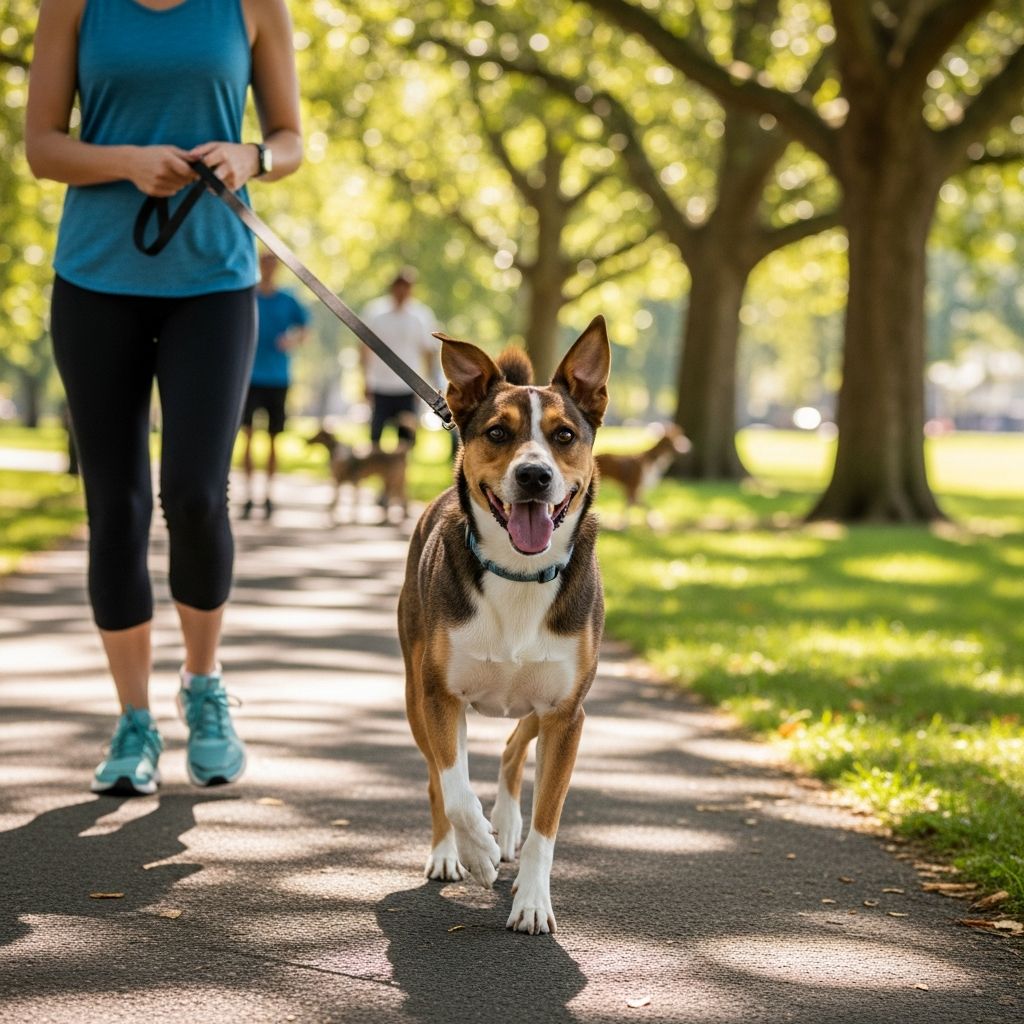
Overweight dogs face increased risks of joint issues, diabetes, and reduced lifespan, but targeted weight loss programs can reverse these effects. Veterinary studies demonstrate that structured diets combined with exercise lead to significant fat reduction while preserving muscle mass.
Understanding Canine Obesity
Obesity in dogs occurs when caloric intake exceeds energy expenditure, often due to high-fat diets, unlimited feeding, and sedentary lifestyles. Research from Cornell University’s Riney Canine Health Center identifies free-choice feeding of calorie-dense foods as a primary cause. In large-scale studies, up to 59% of dogs are classified as overweight, highlighting the prevalence of this issue.
Excess weight strains joints, particularly in breeds prone to osteoarthritis, and elevates risks for metabolic disorders. Early intervention through controlled feeding prevents progression to severe obesity.
Assessing Your Dog’s Weight Status
Begin with a body condition score (BCS) evaluation, a 9-point scale where 4-5 indicates ideal weight, 6-9 signals overweight to obese. Palpate ribs—they should be felt without excess fat—and observe waistline visibility from above.
Veterinarians use body fat index (BFI) for precision, measuring fat layers at specific sites. Baseline measurements are crucial for tracking progress in weight loss trials.
- Visual check: Hourglass silhouette when viewed from above.
- Hands-on: Ribs palpable with slight fat cover.
- Professional: BCS or BFI via vet exam.
Designing a Calorie-Controlled Diet Plan
Calculate resting energy requirements (RER) using formulas like 30 × body weight (kg) + 70, then apply reduction factors. For weight loss, feed 60-80% of maintenance energy needs based on target weight.
Specialized therapeutic diets outperform standard foods. A Hill’s Prescription Diet study showed dogs on a metabolic + mobility formula lost 2.8 times more weight than controls over 12 weeks, with BFI dropping over 10%. High-protein, low-starch formulations preserve lean body mass (LBM) and enhance fat loss.
| Diet Type | Key Features | Weight Loss Outcome |
|---|---|---|
| Therapeutic Weight Loss (TWL) | High protein, fish oil, soy germ | Greater fat loss, no LBM reduction |
| Metabolic + Mobility | Joint support nutrients | 2.8x more weight loss vs. control |
| Standard Adult | Balanced but not restricted | Minimal fat-specific loss |
Transition gradually over 7-10 days to avoid digestive upset. Portion meals precisely using measuring cups, avoiding treats exceeding 10% of daily calories.
Incorporating Exercise for Fat Burning
Daily activity boosts calorie burn and improves quality of life (QOL). A multi-center study of 926 dogs reported enhanced activity and reduced food-seeking after weight loss.
Start with 20 minutes of leashed walks, building to 30-60 minutes. Low-impact options suit joint-compromised dogs: swimming or slow hikes. Combine with diet for synergistic effects, as seen in trials pairing food restriction with exercise.
- Walking: 20-30 min daily, increase gradually.
- Play: Fetch or tug in short bursts.
- Swimming: Ideal for obese or arthritic dogs.
Monitoring Progress and Adjustments
Weigh bi-weekly; aim for 1-2% body weight loss per week to safeguard muscle. Adjust calories if plateauing—reduce by 10-20% or intensify exercise.
Track via apps or journals noting weight, BCS, energy levels. In a 6-month trial, dogs on TWL diets showed sustained metabolic improvements, including lower insulin and inflammation markers. Veterinary check-ins at 4-6 weeks allow refinements.
Addressing Common Challenges
Begging behaviors decrease with consistent routines and high-fiber foods for satiety. Smaller, frequent meals may enhance fullness per some research, though evidence varies.
For multi-pet homes, feed separately. Neutered dogs need 20-30% fewer calories due to altered metabolism.
Long-Term Maintenance Strategies
Once at target weight, transition to maintenance calories (1.0-1.2 × RER). Annual BCS checks prevent regain. Studies show 80% success in multi-center programs with owner adherence.
Incorporate lifelong habits: measured feeding, daily exercise, low-cal treats like veggies.
Health Benefits of Successful Weight Loss
Beyond aesthetics, shedding pounds alleviates osteoarthritis, normalizes blood lipids, and boosts mobility. QOL surveys in weight loss cohorts noted rapid improvements within weeks. Metabolic diets reduce cholesterol, triglycerides, and cytokines.
Frequently Asked Questions
How much should my dog lose per week?
Safe rate is 1-2% of body weight weekly to minimize muscle loss.
Can treats be part of a weight loss plan?
Yes, limit to 10% of calories; use carrots or green beans as substitutes.
What if my dog refuses the new food?
Mix gradually with old food; consult vet for palatability enhancers.
Is exercise safe for obese dogs?
Start slow; vet clearance recommended for joint issues.
How do I calculate calories accurately?
Use RER formula based on target weight; vet nutritionists provide precise charts.
References
- Study shows special diet can help dogs lose weight and support joint health — dvm360. 2023. https://www.dvm360.com/view/study-shows-special-diet-can-help-dogs-lose-weight-and-support-joint-health
- Effects of a therapeutic weight loss diet on weight loss and metabolic health in overweight and obese dogs — PMC (Peer-reviewed). 2023-06-01. https://pmc.ncbi.nlm.nih.gov/articles/PMC10284039/
- Success of a weight loss plan for overweight dogs — PLOS ONE (Peer-reviewed). 2017-09-20. https://journals.plos.org/plosone/article?id=10.1371/journal.pone.0184199
- Obesity and weight loss in dogs — Cornell University Riney Canine Health Center (.edu). Accessed 2026. https://www.vet.cornell.edu/departments-centers-and-institutes/riney-canine-health-center/canine-health-topics/obesity-and-weight-loss-dogs
- Creating a Weight Reduction Plan for Dogs — VCA Animal Hospitals. Accessed 2026. https://vcahospitals.com/know-your-pet/creating-a-weight-reduction-plan-for-dogs
Similar Articles








Read full bio of Sneha Tete




