Guide to Dog Weight Loss
Effective strategies and science-backed tips to help your overweight dog achieve a healthier body and happier life through diet and exercise.
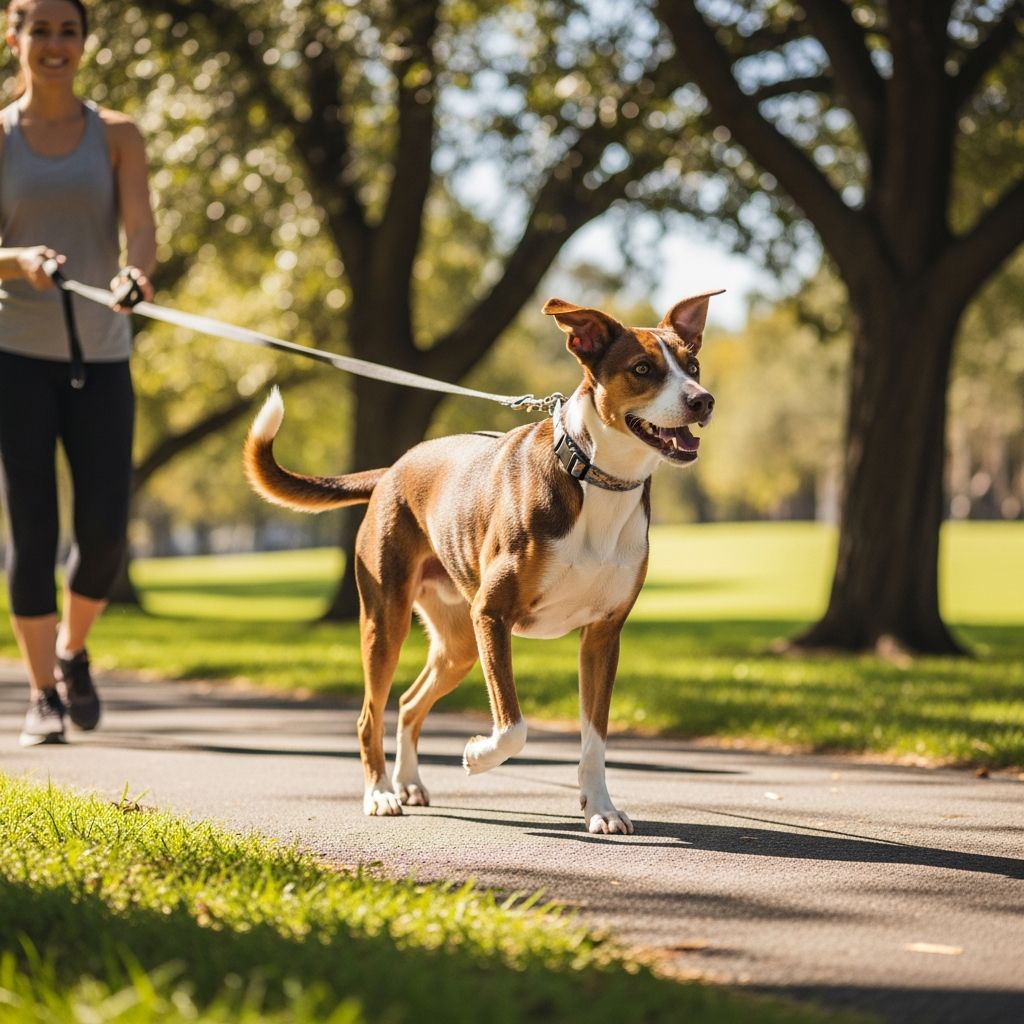
Overweight dogs face serious health risks, but with targeted strategies, owners can guide their pets to a slimmer, more active life. This article explores evidence-based approaches to canine weight reduction, drawing from veterinary studies and expert recommendations.
Understanding Canine Obesity Risks
Excess weight in dogs contributes to conditions like osteoarthritis, diabetes, and heart disease. Research indicates that obesity shortens lifespan and reduces quality of life. A large multi-center study found that most overweight dogs can lose significant body fat with proper intervention, achieving an average 11% weight reduction over 12 weeks.
Common culprits include high-calorie diets, lack of exercise, and free-feeding practices. Neutered dogs and certain breeds like Labrador Retrievers are particularly prone. Early detection through body condition scoring prevents escalation.
Assessing Your Dog’s Ideal Weight
Start by evaluating your dog’s body condition score (BCS), a scale from 1-9 where 4-5 is ideal. Feel the ribs: they should be palpable without excess fat. Use online calculators based on breed, age, and current weight to estimate target pounds.
| BCS Level | Description | Action Needed |
|---|---|---|
| 1-3 | Underweight | Increase calories gradually |
| 4-5 | Ideal | Maintain current regimen |
| 6-9 | Overweight/Obese | Initiate weight loss plan |
Consult a vet for precise measurements, especially if joint issues are present. Studies show dogs with osteoarthritis benefit from weight loss, improving mobility by 10% or more in body fat index.
Choosing the Right Diet for Fat Loss
Switch to calorie-controlled, nutrient-dense food formulated for weight management. Veterinary therapeutic diets outperform standard kibble, with one trial showing 2.8 times greater weight loss when fed at moderate portions. These foods feature low fat, high fiber, and elevated protein to preserve muscle.
- Prescription Options: Foods like those combining metabolic support and joint health yield sustained results without drastic calorie cuts.
- Commercial Choices: Select AAFCO-approved weight loss formulas with 250–335 kJ/kg target weight daily.
- Portion Control: Calculate resting energy requirement (RER): 30 × ideal weight (kg) + 70, then feed 60-80% for loss.
Avoid human foods high in fat. Transition gradually over 7-10 days to prevent digestive upset.
Incorporating Exercise Safely
Physical activity burns calories and builds muscle. Aim for 20-60 minutes daily, tailored to fitness level. A study paired diet with 20-minute walks, enhancing outcomes.
- Low-impact: Swimming or slow walks for joint-compromised dogs.
- Moderate: Fetch or obedience drills for energetic breeds.
- Track progress: Use apps to log steps and monitor stamina.
Start slow to avoid injury. Overweight dogs tire quickly, so multiple short sessions beat one long one.
Feeding Strategies to Curb Hunger
Smaller, frequent meals boost satiety. Research suggests dividing daily intake into 3-4 portions fools the appetite better than two large ones. Add low-calorie veggies like green beans to bulk meals without extra calories.
Eliminate self-feeders and treats, which account for 20-30% of intake. Replace with praise or toys. Distract food beggars with outdoor play.
Monitoring Progress and Adjustments
Weigh bi-weekly on consistent scales. Target 1-2% loss per week for safety. If stalled, reduce calories by 10% or increase activity. Veterinary check-ins every 4-6 weeks track BCS and health markers.
Long-term data shows prescription diets lead to higher success rates: 57.5% of users lost weight vs. 42.2% without. Celebrate milestones to stay motivated.
Addressing Common Challenges
Plateaus: Reassess portions and activity. Hidden calories from scraps add up.
Begging: Train ‘leave it’ commands. Use puzzle toys for mental stimulation.
Multi-Dog Homes: Feed separately to prevent theft.
Behavioral changes improve: owners report less food-seeking and higher vitality post-loss.
Special Considerations for Health Conditions
Dogs with osteoarthritis respond best to mobility-supportive diets. Diabetics need vet-prescribed low-glycemic options. Seniors benefit from joint supplements alongside reduction plans.
Long-Term Maintenance for Success
Once at goal, gradually increase to maintenance calories (1.2-1.6 × RER). Annual BCS checks prevent rebound. Lifelong habits ensure the slimmer dog stays that way.
Frequently Asked Questions
How long does dog weight loss take?
Typically 3-6 months for moderate cases, at 1-2% weekly pace.
Can I use home-cooked meals?
Only under vet nutritionist guidance to balance nutrients.
What if my dog refuses diet food?
Mix with old food initially; try toppers like broth.
Is swimming better than walking?
Yes for joint issues, as it’s low-impact.
How do I handle treat requests?
Use carrots or calculate into daily allowance.
References
- Study shows special diet can help dogs lose weight and support joint health — dvm360. 2024. https://www.dvm360.com/view/study-shows-special-diet-can-help-dogs-lose-weight-and-support-joint-health
- Success of a weight loss plan for overweight dogs — PLOS ONE. 2017-09-07. https://journals.plos.org/plosone/article?id=10.1371/journal.pone.0184199
- How Successful Are Veterinary Weight Management Plans for Overweight and Obese Dogs? — PMC. 2024. https://pmc.ncbi.nlm.nih.gov/articles/PMC10930922/
- Creating a Weight Reduction Plan for Dogs — VCA Animal Hospitals. N/A. https://vcahospitals.com/know-your-pet/creating-a-weight-reduction-plan-for-dogs
- Obesity and weight loss in dogs — Cornell University College of Veterinary Medicine. N/A. https://www.vet.cornell.edu/departments-centers-and-institutes/riney-canine-health-center/canine-health-topics/obesity-and-weight-loss-dogs
- Dog Weight Loss Information — Pet Obesity Prevention. N/A. https://www.petobesityprevention.org/weight-loss-dogs
Similar Articles





Read full bio of Sneha Tete