

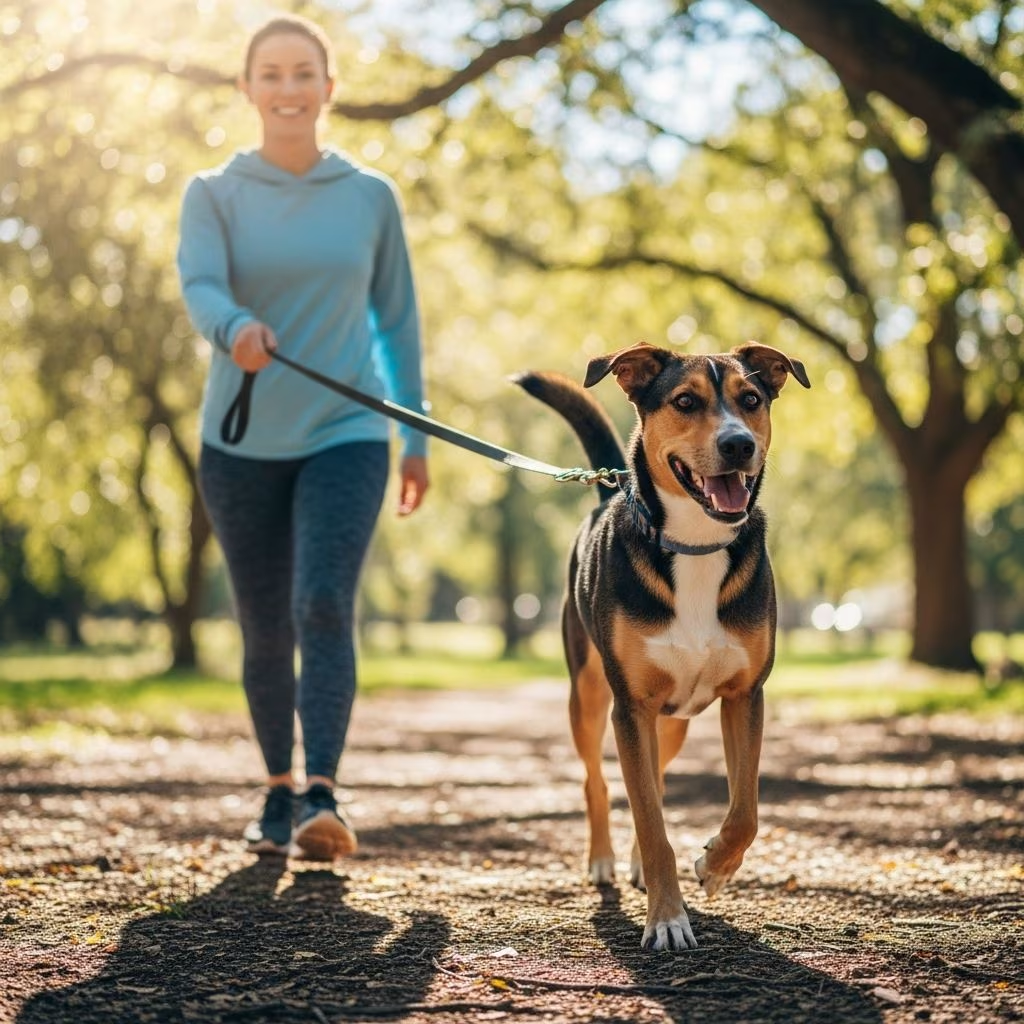
Overweight dogs face serious health risks, but with targeted strategies, owners can guide their pets to a slimmer, healthier body. This article outlines practical steps grounded in veterinary research to promote safe fat reduction.
Understanding Canine Overweight Issues
Dog obesity stems from excess calorie intake relative to energy expenditure, often due to high-fat diets and sedentary lifestyles. Studies indicate that many dogs carry unnecessary weight, leading to conditions like osteoarthritis and reduced lifespan. A large multi-center trial involving 926 overweight dogs showed that most achieved clinically significant fat loss with proper intervention, averaging 11% body weight reduction over 12 weeks.
Recognizing overweight status involves assessing body condition score (BCS), ideally 4-5 out of 9, where ribs are palpable without excess fat. Neutered dogs and certain breeds like Labrador Retrievers are prone to packing on pounds due to metabolic changes post-surgery.
Assessing Your Dog’s Ideal Weight
Calculate target weight by consulting a vet for BCS evaluation. Tools like body fat index (BFI) help quantify fat levels precisely. In one study, dogs on specialized diets reduced BFI by over 10%, correlating with better joint health.
- Visual check: Hourglass shape from above, tucked abdomen from side.
- Hands-on: Feel ribs easily; waist pinchable.
- Vet tools: Scales, BCS charts, or DEXA scans for accuracy.
Aim for 1-2% weekly loss to avoid muscle wasting or metabolic slowdown.
Switching to Weight Management Nutrition
Therapeutic diets formulated for fat loss outperform standard foods. A 2024 AVMA study found dogs on Hill’s Prescription Diet Metabolic + Mobility lost 2.8 times more weight than controls over 12 weeks, even at moderate calorie levels (1-1.1 times resting energy requirement).
Key diet features include:
- Low energy density: Fewer calories per gram via reduced fat.
- High fiber: Promotes fullness, curbing begging.
- Nutrient-dense: Concentrated vitamins/minerals despite lower portions.
- Protein focus: Preserves lean mass during calorie cuts.
Prescription (RX) diets succeed more often; one analysis showed 57.5% of RX-fed dogs lost weight versus 42.2% on regular food. Transition gradually over 7-10 days to prevent digestive upset.
Calorie Control and Portion Strategies
Base daily intake on target weight: 60-80 kcal/kg^0.75 for neutered dogs, adjusted for activity. Avoid free-feeding; use measured scoops.
| Dog Size | Target Weight (lbs) | Daily Calories (est.) |
|---|---|---|
| Small | 10-20 | 300-500 |
| Medium | 20-50 | 500-900 |
| Large | 50-100 | 900-1500 |
Smaller, frequent meals (3-4 daily) enhance satiety per VCA guidelines. Treats should not exceed 10% of calories; opt for veggies like green beans as low-cal fillers.
Increasing Physical Activity Levels
Exercise burns calories and builds muscle. Start slow for obese dogs to prevent injury. The PLOS study noted improved owner-reported activity post-weight loss.
- Daily walks: 20-30 minutes, building to 60.
- Play: Fetch, swim for joint-friendly cardio.
- Enrichment: Puzzle toys redirect food-seeking energy.
Swimming suits arthritic dogs, supporting mobility gains seen in specialized diet trials.
Overcoming Common Challenges
Begging and multi-pet homes complicate efforts. Distract with toys or attention; feed separately if needed. Long-term adherence is key—RX diets show sustained success but low adoption rates (8.4%).
Monitor weekly weigh-ins; adjust if plateauing. Vets recommend joint supplements alongside diets for obese dogs with OA.
Health Benefits of Successful Reduction
Weight loss improves quality of life (QOL), activity, and reduces food-seeking per large trials. Joint health enhances dramatically; Metabolic + Mobility diet users maintained losses without drastic cuts.
Obesity links to diabetes, heart disease—shedding pounds mitigates these per Cornell vet experts.
Role of Professional Veterinary Guidance
Consult vets before starting; rule out hypothyroidism or meds causing gain. They prescribe RX foods and tailor plans. Pet Obesity Prevention.org stresses avoiding self-feeders and using kibble-measuring tactics.
FAQs
How fast should my dog lose weight?
Target 1-2% body weight weekly for safety.
Can I use human food for treats?
Limited low-cal options like carrots; avoid high-fat scraps.
What if my dog won’t eat the new diet?
Mix with old food gradually; add warm water for appeal.
Is exercise essential?
Yes, boosts metabolism and prevents regain.
How do I maintain the loss?
Stick to target calories, regular activity, vet check-ups.
References
- Study shows special diet can help dogs lose weight and support joint health — dvm360. 2024. https://www.dvm360.com/view/study-shows-special-diet-can-help-dogs-lose-weight-and-support-joint-health
- Success of a weight loss plan for overweight dogs — PLOS ONE. 2017-09-07. https://journals.plos.org/plosone/article?id=10.1371/journal.pone.0184199
- How Successful Are Veterinary Weight Management Plans for Overweight and Obese Dogs? — PMC (NCBI). 2024. https://pmc.ncbi.nlm.nih.gov/articles/PMC10930922/
- Creating a Weight Reduction Plan for Dogs — VCA Animal Hospitals. N/A. https://vcahospitals.com/know-your-pet/creating-a-weight-reduction-plan-for-dogs
- Obesity and weight loss in dogs — Cornell University College of Veterinary Medicine. N/A. https://www.vet.cornell.edu/departments-centers-and-institutes/riney-canine-health-center/canine-health-topics/obesity-and-weight-loss-dogs
- Dog Weight Loss Information — Pet Obesity Prevention. N/A. https://www.petobesityprevention.org/weight-loss-dogs



