

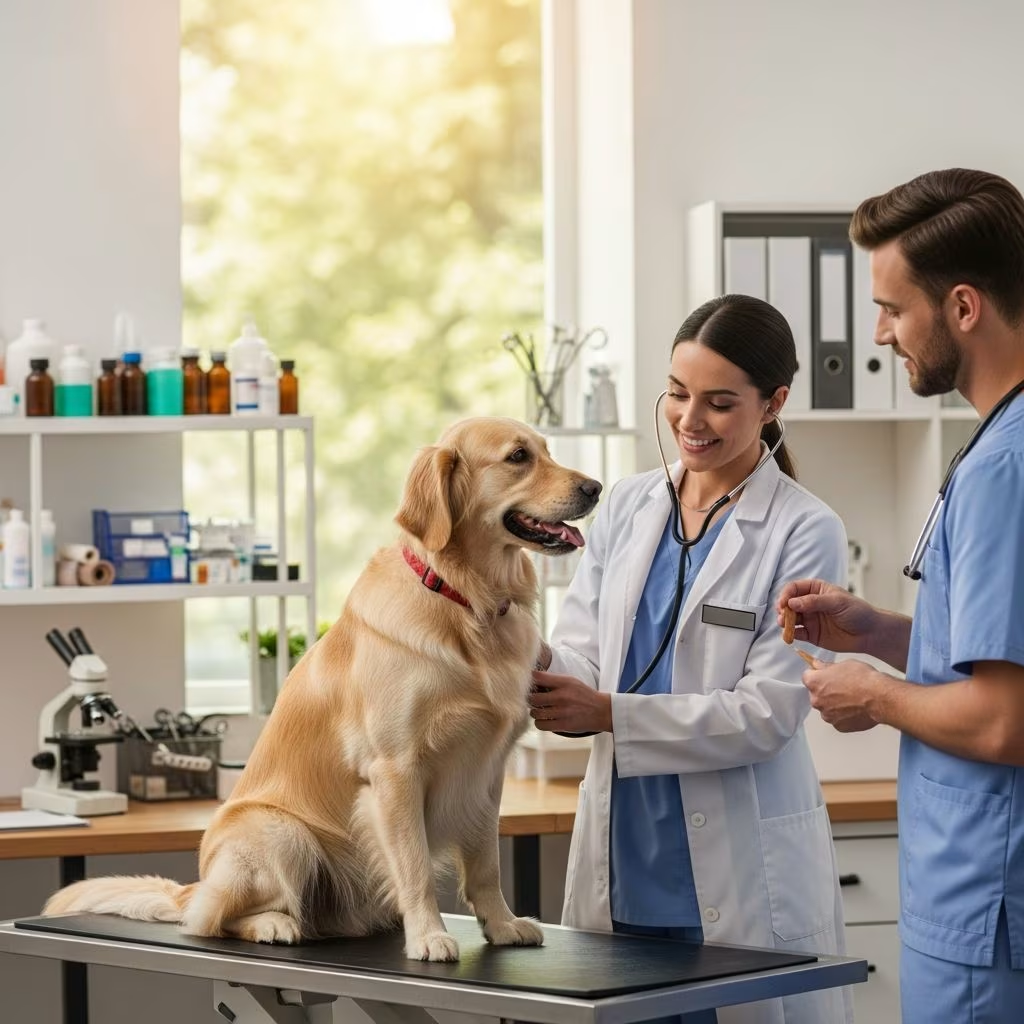
Regular veterinary appointments are crucial for maintaining your dog’s health, catching issues early, and ensuring preventive care. Whether it’s a puppy’s initial checkup or a routine adult exam, proper preparation leads to more effective visits and less anxiety for both you and your pet.
Why Routine Vet Visits Matter for Your Dog
Veterinary checkups allow professionals to monitor growth, administer vaccines, detect parasites, and advise on diet and behavior. Early intervention can prevent serious conditions, extending your dog’s lifespan and improving quality of life. Puppies require more frequent visits to establish baselines, while adults benefit from annual or bi-annual exams depending on age and breed.
Timing Your Dog’s First and Ongoing Appointments
Schedule your puppy’s initial vet visit within days of adoption, ideally between 6-8 weeks old. Follow-up visits occur every 3-4 weeks until 16 weeks for vaccinations and deworming. Adult dogs need yearly wellness exams, increasing to every six months for seniors over 7 years. Book morning slots to minimize wait times and stress.
Essential Preparation Checklist Before the Visit
Gather all documents and items in advance to streamline the appointment. Use this checklist to ensure nothing is overlooked:
- Veterinary records from breeders, shelters, or previous vets, including vaccination history and deworming details.
- Fresh stool sample (collected within 24 hours) in a clean container for parasite screening.
- List of current foods, treats, medications, and supplements with quantities and frequencies.
- Leash, collar or harness, carrier/crate lined with familiar blankets or towels.
- Comfort items like a favorite chew toy or small treats for positive reinforcement.
- Completed intake forms if provided by the clinic ahead of time.
Fast your dog if instructed, especially for puppies undergoing certain tests, but confirm with the vet.
Reducing Anxiety: Calming Strategies for Your Dog
Dogs often sense stress, so maintain a positive attitude. At home, desensitize them to handling by gently touching paws, ears, and mouth daily. During travel, use a secure carrier and play soothing music. In the waiting room, offer treats and praise calm behavior. Post-visit rewards like playtime reinforce positive associations.
| Technique | For Puppies | For Adults | Benefits |
|---|---|---|---|
| Familiar blanket in carrier | High effectiveness | Moderate | Provides home scent comfort |
| Treat rewards | High | High | Builds positive links |
| Pre-visit handling practice | Moderate | High | Reduces exam startling |
| Calm owner demeanor | High | High | Dogs mirror emotions |
Step-by-Step: What Happens During the Exam
Expect a thorough physical assessment lasting 15-30 minutes. The vet begins with history review, then proceeds systematically:
- Weight and vitals: Measures weight, temperature, pulse, and respiration rates.
- Observation: Watches movement for gait issues or pain.
- Head and sensory: Inspects eyes, ears, nose, mouth, teeth, and gums for infections or abnormalities.
- Body check: Palpates abdomen, lymph nodes, joints, skin, coat, and genitalia.
- Cardiac and respiratory: Listens to heart and lungs with a stethoscope.
- Fecal analysis: Tests stool sample for worms and parasites.
For breed-specific risks, like hip dysplasia in large dogs, additional checks may occur.
Key Topics Covered in Every Visit
Vets discuss preventive care tailored to your dog’s life stage. Common areas include:
- Nutrition: Best kibble types, feeding frequency, and transition to adult food.
- Parasite control: Flea, tick, heartworm preventives, and deworming schedules.
- Vaccinations: Core shots like distemper, rabies, and boosters.
- Grooming and dental: Brushing routines and professional cleanings.
- Exercise and behavior: Daily needs, socialization, and training tips.
- Reproduction: Spay/neuter pros, cons, and timing.
- ID and safety: Microchipping, tags, and emergency prep.
- Zoonotics: Diseases transmissible between pets and humans.
Smart Questions to Ask Your Veterinarian
Come prepared with targeted queries to maximize value. Categorize them for efficiency:
Puppy-Specific Questions
- What vaccination series does my puppy need and when?
- How often should I feed and what portions?
- When can my puppy safely visit parks or groomers?
- Recommended crate training duration and methods?
- Ideal exercise amount for this breed and age?
General Health Questions
- Any breed-specific health concerns to monitor?
- Best flea/tick/heartworm preventive for my area?
- Signs of common issues like allergies or joint problems?
- Spay/neuter timing and benefits?
- Travel vaccination requirements?
Post-Visit Care and Follow-Up
Review discharge instructions carefully. Administer medications as prescribed, monitor for reactions, and note any behavior changes. Schedule follow-ups promptly. Track vaccines and preventives at home using apps or calendars. If issues arise, contact the vet immediately rather than waiting for the next routine visit.
Special Considerations for Adult and Senior Dogs
Adults focus on annual boosters, dental checks, and bloodwork for early disease detection. Seniors may need thyroid, kidney function tests, and mobility assessments. Adjust diets for weight management or joint support. Discuss pain management and quality-of-life indicators proactively.
Frequently Asked Questions (FAQs)
How often should I take my adult dog to the vet?
Annually for most, bi-annually for seniors or breeds prone to issues.
Do I need to withhold food before a routine visit?
Usually not, but confirm for puppies or specific tests.
What if my dog hates the vet?
Use desensitization, pheromone sprays, and short positive visits to build tolerance.
Is microchipping done during the first visit?
Often yes, alongside ID tag discussions.
How much does a puppy vet visit cost?
Varies by location; expect $50-150 for exam and initial vaccines[general knowledge].
Long-Term Benefits of Consistent Vet Care
Dedicated owners who prioritize checkups report healthier, happier dogs with fewer emergencies. Preventive measures like vaccines save thousands in treatment costs over a lifetime. Building a vet relationship ensures personalized advice, from diet tweaks to behavior plans, fostering a lifelong bond of trust.
References
- The Complete Checklist for Your Dog’s Vet Visit — Normandy Blvd Animal Hospital. 2024. https://www.normandyblvdanimalhospital.com/the-complete-checklist-for-your-dog-s-vet-visit
- Checklist for a Successful First Vet Visit for Your Puppy — Greensboro NC Vet. 2024-01-15. https://www.greensboroncvet.com/site/friendly-animal-clinic-blog/2024/01/15/puppy-vet-visit-checklist
- Puppy’s First Vet Visit: Checklist & What to Expect — Harris Parkway Animal Hospital. 2024-09-21. https://www.harrisparkwayanimalhosp.com/site/blog/2024/09/21/puppy-first-vet-visit
- Puppy’s First Vet Visit: Checklist & What to Expect — Godspeed Animal Care. 2024-04-15. https://www.godspeedanimalcare.com/site/blog/2024/04/15/puppy-first-vet-visit
- Puppy’s First Vet Visit Checklist – What to Expect — EOAH. 2024-03-15. https://www.eoah.com/site/blog/2024/03/15/puppys-first-vet-visit-checklist–what-to-expect
- Your Puppy’s First Veterinary Visit — IAMS. N/A. https://www.iams.com/dog/dog-articles/your-puppys-first-veterinary-visit



