

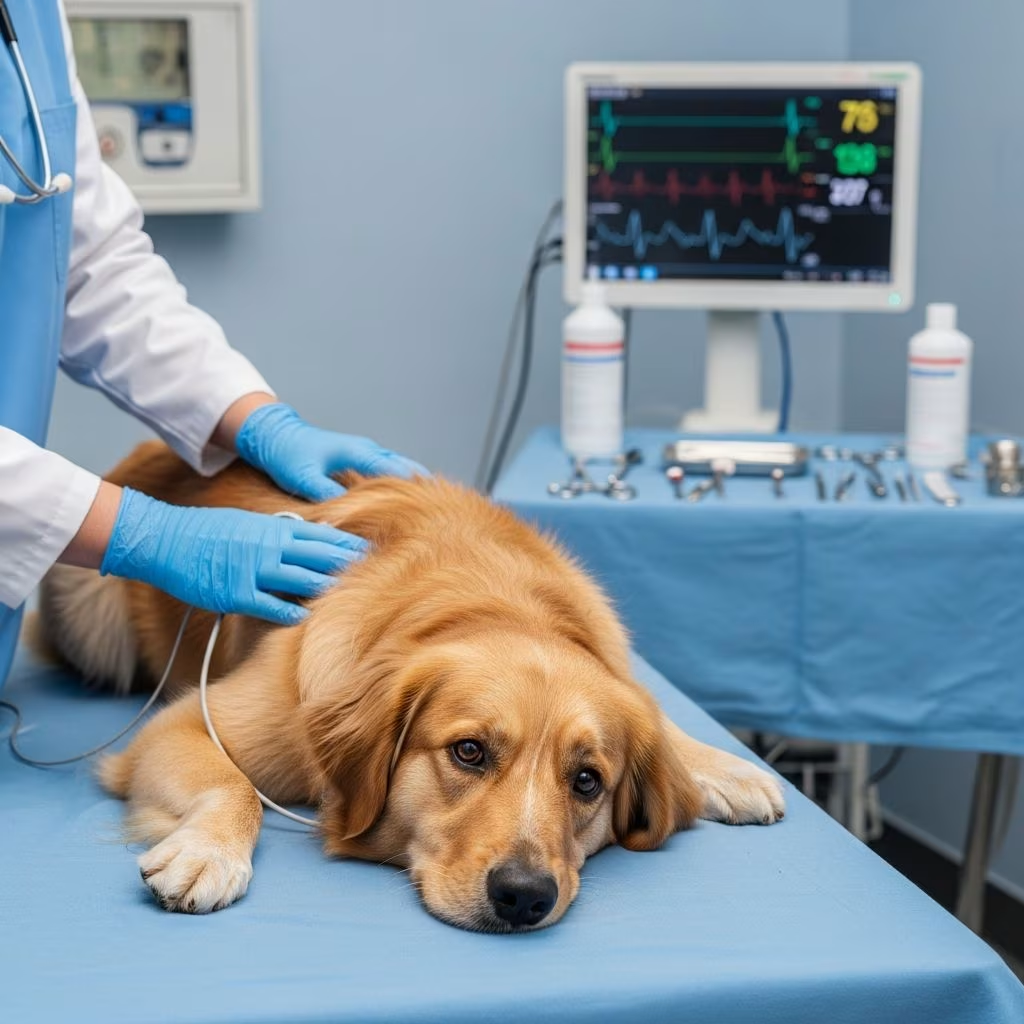
Preparing your dog for surgery involves careful planning to minimize risks and promote swift recovery. This guide outlines key actions owners can take, drawing from veterinary best practices to support a positive experience.
Understanding the Importance of Preparation
Surgery for dogs, whether routine like spaying or complex like orthopedic repairs, requires thorough pre-operative measures. Proper preparation reduces complications such as anesthesia reactions or infections. Veterinary teams rely on owners to follow instructions precisely, ensuring the procedure goes smoothly.
Start by scheduling a consultation well in advance. During this visit, discuss your dog’s medical history, including any chronic conditions, allergies, or recent illnesses. This information helps tailor anesthesia and pain management plans.
Essential Pre-Operative Health Checks
Before any surgery, comprehensive diagnostics are crucial to assess your dog’s fitness. Pre-anesthetic bloodwork evaluates organ function and identifies hidden issues that could impact safety.
- Blood tests: Check kidney and liver function, blood cell counts for anemia or infection, and clotting factors.
- Imaging: X-rays or ultrasounds may screen for underlying problems like tumors or fractures.
- Cardiac evaluation: An EKG or echocardiogram for older dogs or breeds prone to heart issues.
These steps allow veterinarians to customize protocols. For instance, senior dogs often need more extensive testing to adjust dosages safely.
Fasting and Hydration Guidelines
Fasting prevents vomiting under anesthesia, a leading cause of complications. Standard protocol: withhold food 8-12 hours prior, but allow water until a few hours before drop-off unless specified otherwise.
| Dog Age/Type | Food Cutoff | Water Allowance |
|---|---|---|
| Adult dogs | 8-12 hours before | Until morning |
| Puppies under 6 months | Follow vet advice | Special instructions |
| Diabetic dogs | Custom plan | Monitored closely |
Confirm exact times with your vet, as variations exist for procedures like dental cleanings.
Medication and Supplement Review
Inform your veterinarian about all substances your dog receives. Many need temporary pauses:
- NSAIDs or steroids: Stop 1-2 weeks prior to avoid bleeding risks.
- Supplements like fish oil: May increase clotting issues.
- Flea preventives: Often safe but confirm.
- Recent vaccines: Note dates to prevent immune overload.
Provide a full list during consultation for personalized adjustments.
Setting Up a Recovery Zone at Home
Ahead of surgery day, designate a quiet recovery area. This space minimizes stress and prevents injury during healing.
- Soft, clean bedding in a low-traffic room.
- Dim lighting and noise reduction for rest.
- Easy water access; elevated bowls aid some dogs.
- Confinement tools: Crate, baby gates, or playpen to limit jumping.
- Hazard removal: Secure rugs, block stairs.
For active breeds, plan extended crate rest, especially post-orthopedic surgery.
Surgery Day Logistics
Arrive punctually with paperwork completed. Expect:
- Final health check and fasting verification.
- IV catheter placement for fluids and meds.
- Pre-op sedation to ease anxiety.
- Site clipping and anesthesia induction.
Keep your phone charged for updates. Most dogs go home same-day, but observe closely for 48 hours.
Dog-Specific Considerations
Dogs vary by breed and energy level. High-drive herding or sporting dogs may need stricter confinement. Provide familiar toys or blankets for comfort during transport—remove collars to avoid injury.
Exercise the day before but avoid overexertion. A calm morning routine helps maintain composure.
Post-Surgery Care Essentials
Recovery starts immediately. Monitor for normal signs: grogginess, mild whimpering, controlled bleeding.
Administer prescribed pain meds, antibiotics, and e-collars diligently. Restrict activity for 10-14 days; short leash walks only.
- Incision checks: Clean, dry; report redness, swelling, or discharge.
- Appetite return: Offer small, bland meals first.
- Follow-up visits: Attend all to remove stitches or assess healing.
Common Concerns and Troubleshooting
Address worries proactively:
| Concern | Action |
|---|---|
| Lethargy beyond 24 hours | Contact vet |
| Refusal to eat | Try warmed food; call if persists |
| Incision licking | Enforce e-collar use |
| Diarrhea or vomiting | Withhold food briefly; seek advice |
Emotional Support for You and Your Dog
Dogs sense owner stress, amplifying theirs. Stay composed with extra affection pre-surgery. Post-op patience aids bonding and compliance.
Groom lightly 1-2 days before: Bath reduces infection risk; trim nails prevent self-injury.
FAQs
What if my dog ate accidentally before surgery?
Notify the vet immediately; they may reschedule to avoid risks.
Can I visit during the procedure?
Typically no, but updates are provided via phone.
How long until full activity?
2-6 weeks, depending on surgery type; follow vet timeline.
Is pre-op bloodwork always required?
Highly recommended, mandatory for seniors or ill dogs.
What foods aid recovery?
Bland diets like boiled chicken/rice; transition slowly.
Long-Term Benefits of Proper Prep
Investing time in preparation leads to fewer complications, shorter recoveries, and stronger vet-client trust. Many owners report smoother experiences with checklists, reducing anxiety for all.
Expand knowledge with breed-specific resources or join support groups. Always prioritize professional advice over general tips.
References
- Prepare Your Dog or Cat for Surgery: Complete Checklist — Cain Hoy Veterinary Hospital. 2023. https://www.cainhoyvet.com/dog-cat-surgery-prep-checklist/
- Pre-Operative Instructions for Dogs — Dakin Humane Society. 2024. https://www.dakinhumane.org/pre-operative-instructions-for-dogs
- Your Pre-Op Checklist For Your Pet’s Surgery — Bluegrass Veterinary Specialists + Surgery. 2023. https://bgvss.com/blog/your-pre-op-checklist-for-your-pets-surgery/
- Pet Surgery Checklist In Kirkwood, MO — Kirkwood Veterinary Clinic. 2024. https://kirkwoodvets.com/surgery-checklist-kirkwood-mo/
- A checklist for safer surgeries — dvm360. 2022. https://www.dvm360.com/view/checklist-safer-surgeries



