

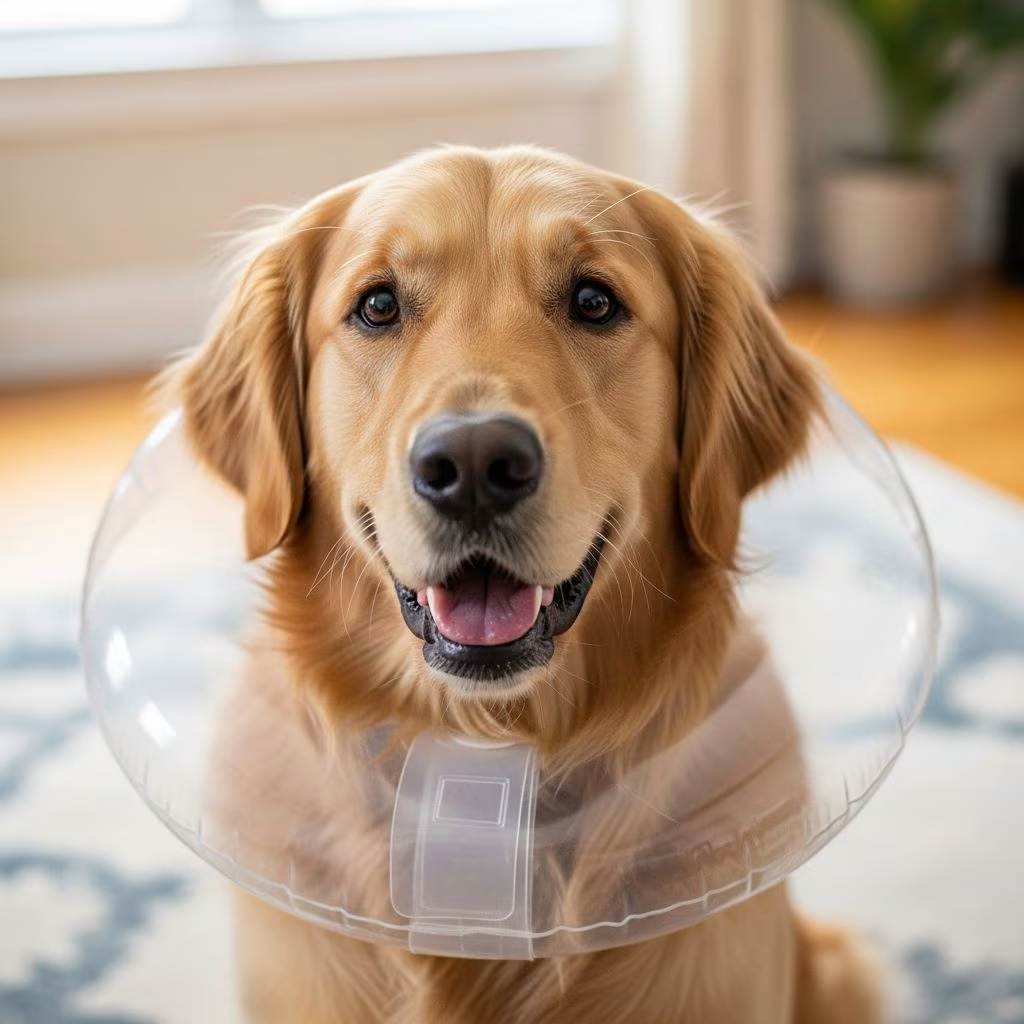
Recovery collars, often called e-collars or Elizabethan collars, play a crucial role in preventing dogs from aggravating injuries, surgical sites, or skin conditions. These devices restrict access to sensitive areas, promoting faster healing while balancing comfort and mobility. This comprehensive guide examines various options, helping pet owners select the most suitable product based on their dog’s size, behavior, and recovery needs.
Understanding the Purpose of Recovery Collars
Dogs instinctively lick or chew wounds, which can lead to infection, delayed healing, or suture removal. Recovery collars act as a physical barrier, ensuring veterinary instructions are followed. Traditional designs mimic a lampshade, but modern innovations prioritize comfort without sacrificing protection. Effective collars maintain peripheral vision, allow eating and drinking, and minimize stress.
Types of Dog Recovery Collars
Several collar varieties exist, each with unique features tailored to different scenarios. The choice depends on the injury location, dog’s temperament, and lifestyle.
Classic Plastic Cones
Lightweight, transparent plastic cones remain a veterinary staple due to their reliability. These sturdy barriers prevent reach to most body parts, with fabric-lined edges reducing irritation. They clean easily with a damp cloth and attach via Velcro or ties to the dog’s regular collar.
- Advantages: Foolproof protection; affordable; widely available.
- Disadvantages: Can distort sounds; limit head movement; cause anxiety in some dogs.
Soft Foam-Padded Cones
Constructed from nylon fabric laminated to foam, these offer a cushioned alternative. Water-resistant and machine-washable, they flex for better comfort and can reverse for shoulder or chest wounds. Reflective binding enhances nighttime visibility.
- Key Features: Adjustable sizing; conforms to body shapes; durable against chewing.
- Best For: Dogs intolerant of rigid plastic; multi-position injuries.
Inflatable Donut Collars
Resembling a neck pillow, inflatable collars encircle the neck without extending forward. Brands like KONG Cloud use air-filled chambers with secure straps, preserving vision and hearing while blocking access to torso wounds.
- Pros: Lightweight; minimal vision obstruction; easy to store deflated.
- Cons: Less effective for head or leg injuries; may shift on active dogs.
Hybrid Flexible Cones
Combining fabric panels with plastic inserts, hybrids like ZenCone provide visibility windows and adjustable rigidity. They wrap around the neck without overhead placement, ideal for anxious puppies.
Removable rods allow customization—rigid for strict protection or soft for comfort. Canvas construction reduces noise amplification.
Narrow and Transparent Helmets
Slim designs like Novaguard fit close to the head, protecting eyes and muzzle while freeing ears. Pre-scored edges enable muzzle-length adjustments. Hard plastic keeps costs low, with optional padding.
- Suitable For: Long-necked breeds; facial injuries.
- Caution: Ensure proper fit to avoid slippage.
Comparing Popular Recovery Collar Options
The table below summarizes key attributes of top collars based on expert reviews, focusing on protection, comfort, and usability.
| Product | Material | Sizes | Protection Level | Comfort Rating | Price Range |
|---|---|---|---|---|---|
| Standard Plastic Cone | Clear Plastic | Multiple | High | Low-Medium | Low |
| Comfy Cone | Foam-Nylon | Adjustable | High | High | Medium |
| KONG Cloud | Inflatable Fabric | XS-XL (15-63cm neck) | Medium | High | Medium |
| ZenCone | Canvas-Plastic | Flexible | Medium-High | High | Medium |
| All Four Paws Flexible | Fabric w/ Rods | Various | Medium-High | Medium-High | Low-Medium |
| Novaguard | Hard Plastic | Customizable | High (face) | Medium | Low |
Ratings derived from comparative testing: 4 paws excellent, 1 paw poor.
How to Measure and Size Your Dog’s Collar
Proper fit is essential—too loose allows access to wounds; too tight causes discomfort. Measure neck circumference at the widest point, adding 2-3 inches for overlap. Consult size charts:
- XS: 15-20cm (small breeds/puppies)
- Small: 17-30cm
- Medium: 25-35cm
- Large: 38-50cm
- XL: 50+cm
Test fit: Collar should prevent nose from reaching incision (typically 1-2 inches beyond snout length) without rubbing ears or shoulders. Adjustable Velcro or drawstrings accommodate fluctuations.
Tips for Introducing and Using Recovery Collars
Dogs often resist collars initially. Gradual introduction reduces stress:
- Allow supervised sniffing and acclimation sessions (5-10 minutes).
- Pair with positive rewards like treats or play.
- Monitor for chafing; use padding if needed.
- Clean regularly; most are wipeable or machine-washable.
For multi-pet homes, supervise interactions. Remove for meals if safe, supervising closely.
When to Consult a Veterinarian
Not all injuries require collars—discuss alternatives like surgery suits for minor wounds. If your dog removes the collar repeatedly, shows distress, or develops skin irritation, seek professional advice. Vets may recommend custom fits or combined therapies.
Frequently Asked Questions (FAQs)
How long should my dog wear a recovery collar?
Typically 7-14 days post-surgery, or until wounds heal fully. Follow vet instructions.
Can dogs sleep with a cone on?
Yes, most designs allow comfortable sleeping; soft options excel here.
Are inflatable collars as effective as plastic cones?
For torso wounds, yes; less so for head/leg areas. Assess based on injury site.
How do I clean a dog cone?
Wipe plastic with soap/water; machine-wash fabric ones on gentle cycle.
What if my dog hates the cone?
Try softer alternatives or calming aids; consult vet for options like onesies.
Choosing the Right Collar for Your Dog
Evaluate injury location, breed size, and activity level. Active large dogs may need sturdy hybrids; small anxious pups benefit from inflatables. Prioritize vet-approved products balancing protection and quality of life. With the right collar, recovery becomes less stressful, fostering quicker healing.
References
- Best Dog Cone of Shame Alternatives 2025 — Smart Bark. 2025. https://www.smartbark.co.uk/post/dog-cone-of-shame
- 2017 Best Dog Cone Alternatives — Whole Dog Journal. 2017-01-01. https://www.whole-dog-journal.com/health/2017-best-dog-cone-alternatives/
- Plastic or Soft Dog Cones: Which Collar is Best? — Hill’s Pet. Accessed 2026. https://www.hillspet.com/dog-care/healthcare/choosing-the-best-dog-cone-collar
- Cone of shame. Lampshade. The Benefits of an E-Collar — Asheville Veterinary Hospital (AHNA). 2020-05-11. https://www.ahna.net/site/blog-asheville-vet/2020/05/11/cone-of-shame-lampshade-the-benefits-of-an-e-collar
- Cone of Shame: What It Is and Cone Alternatives — PetMD. Accessed 2026. https://www.petmd.com/dog/general-health/cone-of-shame-what-it-is-and-cone-alternatives



