

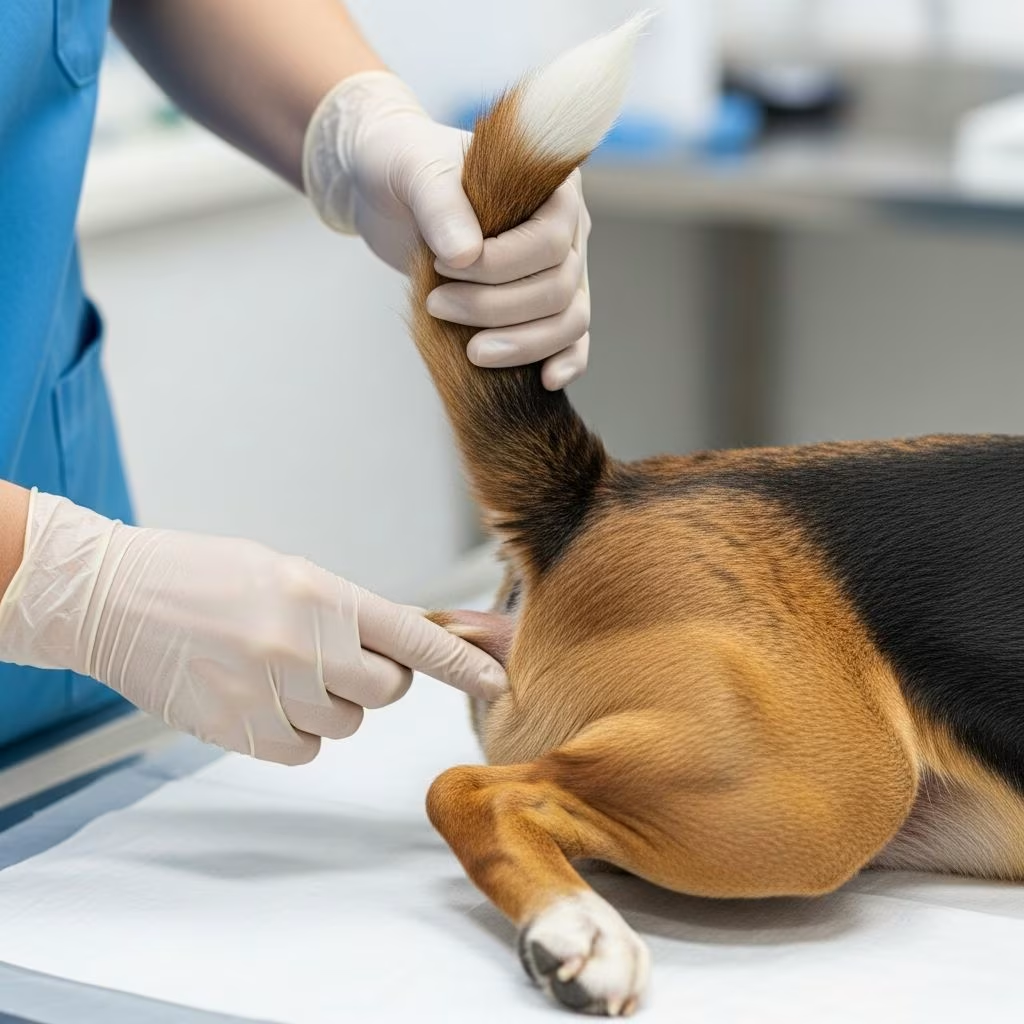
Dog anal glands, also known as anal sacs, are small pouches located on either side of the anus that produce a pungent fluid for scent marking. While most dogs empty these glands naturally during bowel movements, some experience buildup leading to discomfort, infections, or other issues. Understanding how to identify problems and perform safe expression can greatly improve your pet’s comfort and prevent serious health concerns.
Understanding Canine Anal Glands and Their Role
These glands sit at roughly the 4 and 8 o’clock positions around the anus, similar to a clock face. They secrete a thick, odorous substance that dogs use to mark territory in the wild. Normally, pressure from defecation squeezes out the fluid, but factors like soft stools, obesity, or allergies can impair this process, causing impaction.
Healthy expression maintains gland function, but chronic issues may signal underlying conditions such as dietary deficiencies or anatomical abnormalities. Regular monitoring helps catch problems early.
Common Indicators Your Dog Needs Gland Expression
Watch for these behavioral and physical signs that suggest anal glands require attention:
- Butt scooting: Dragging the rear across floors or carpets to relieve irritation.
- Foul odor: A strong, fishy smell emanating from the hindquarters.
- Excessive licking: Persistent attention to the anal area.
- Swelling or redness: Visible inflammation around the anus.
- Straining during defecation: Difficulty or pain while pooping.
These symptoms often appear together. If noticed frequently, manual expression may be necessary.
Why Some Dogs Struggle with Natural Expression
Most canines release gland contents effortlessly during defecation or under stress. However, breeds with narrow ducts, like small lap dogs, or those with loose stools from poor diet, face higher risks. Stress-induced release produces a sharp odor, but incomplete emptying leads to thickening fluid and bacterial growth.
Untreated buildup progresses from impaction to infection, potentially forming abscesses that rupture, causing pain and requiring veterinary intervention.
Step-by-Step Instructions for Safe Home Expression
Expressing anal glands at home is feasible for many owners, but prioritize safety and gentleness. Always consult a vet first if your dog shows pain or infection signs. Use gloves, petroleum jelly, and paper towels for hygiene.
- Prepare the area: Place small dogs on a table or large ones on the floor with towels underneath. Have a helper restrain the dog calmly using treats for positivity.
- Locate the glands: Feel for small, grape-sized bulges at 4 and 8 o’clock positions external to the anus.
- Lubricate and position: Apply jelly to gloved thumb and index finger. Hold a towel behind the anus.
- Express externally: Pinch fingers toward the anus center with upward pressure. Repeat for both sides until brown, smelly fluid emerges.
- Monitor output: Normal fluid is liquidy to semi-thick and brown. Stop if chunky, bloody, green, or if nothing releases—seek vet care.
- Clean and reward: Wipe the area, praise lavishly, and offer treats.
For internal method, insert a lubricated finger slightly into the anus to massage glands, but this is advanced and riskier for beginners.
| Method | Best For | Pros | Cons |
|---|---|---|---|
| External | Home use, all sizes | Non-invasive, easier | May not fully empty deep impactions |
| Internal | Stubborn cases | More thorough | Higher discomfort, infection risk |
How Frequently Should You Express Dog Anal Glands?
Frequency varies: many dogs never need it, while others require it every 4-6 weeks. Factors include breed, diet, and activity. Firm stools from high-fiber diets promote natural emptying, reducing needs. Over-expression irritates glands, so assess based on signs rather than routine.
Risks and Complications of Neglected Glands
Impacted glands swell painfully, inviting bacteria that cause infections. Advanced cases lead to abscesses filled with pus, which may burst, leaking foul discharge and necessitating antibiotics or surgery. Chronic issues can scar ducts, worsening recurrence.
- Impaction: Thickened fluid forms hard masses.
- Infection: Bacterial overgrowth with colored discharge.
- Abscess: Pus buildup, potential rupture.
Prevent by ensuring high-fiber diets, regular exercise, and prompt sign recognition.
Prevention Strategies for Anal Gland Health
Maintain optimal stool consistency with fiber-rich foods like pumpkin or vet-recommended kibble. Encourage play to build abdominal muscles aiding expression. Monitor weight, as obesity narrows ducts. Routine grooming checks catch issues early.
For recurrent problems, vets may suggest flushing, diets, or surgical removal in severe cases.
When to Consult a Veterinarian Immediately
Seek professional help if:
- No fluid expresses despite bulging glands.
- Dog yelps in pain.
- Discharge is bloody, pus-like, or multicolored.
- Swelling persists post-expression.
- Symptoms recur frequently.
Vets use tools for thorough cleaning and diagnose root causes like allergies.
FAQs on Dog Anal Gland Care
Can all dogs benefit from regular expression?
No, only those showing signs. Routine expression without need causes irritation.
Is the procedure painful?
It may cause brief discomfort, especially if impacted, but relief follows. Use positive reinforcement.
What diet helps anal gland function?
High-fiber options with 5-10% fiber content promote firm stools for natural expression.
How do I clean up after expression?
Use enzymatic cleaners for odors; wash towels separately. Dispose of fluid safely.
Are certain breeds more prone?
Yes, small breeds like Chihuahuas and Dachshunds due to anatomy.
Professional Services vs. Home Care
Groomers and vets offer expression for $10-30 per session, ideal for novices or severe cases. Home care saves money long-term but requires confidence. Hybrid approach: learn basics, vet for complications.
References
- How to Express Dog Anal Glands At Home — American Kennel Club. 2023-05-15. https://www.akc.org/expert-advice/health/how-to-express-dog-anal-glands/
- Exploring the Importance of Expressing Anal Glands of Dogs — Merryfield College. 2024-02-10. https://www.merryfield.edu/blog/pet-grooming/exploring-importance-dog-gland-expression/
- When (And Why) Do Dogs Need Their Anal Glands Expressed? — GoodRx. 2025-01-12. https://www.goodrx.com/pet-health/dog/do-dogs-need-anal-glands-expressed
- How to Express a Dog’s Anal Glands — PetMD. 2024-11-20. https://www.petmd.com/dog/general-health/how-to-express-dog-anal-glands
- Anal Gland Expression — Creekside Veterinary Clinic. 2023-08-05. https://www.vetcarecreekside.com/anal-gland-expression



