

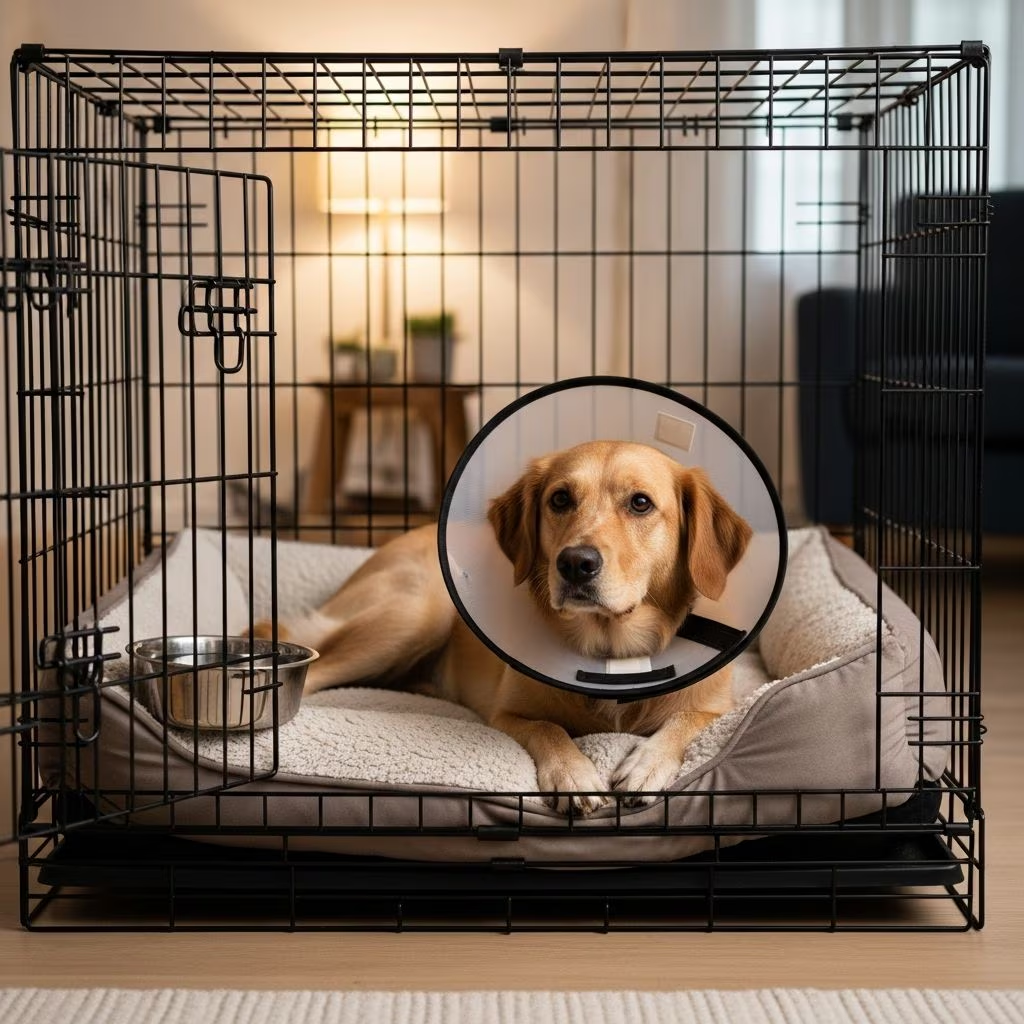
Crate rest is a vital veterinary recommendation for dogs recovering from surgery, injuries, or certain medical conditions, involving strict confinement to promote healing and prevent re-injury. This approach limits movement to allow tissues, bones, and joints to mend properly, typically lasting from days to several weeks depending on the case.
Understanding the Necessity of Crate Confinement
When dogs undergo procedures like spinal surgery or suffer trauma, excessive activity can exacerbate damage to structures such as intervertebral discs, which heal slowly. Confinement ensures that supporting vertebrae and surrounding tissues stabilize without interference from running, jumping, or even prolonged walking. Veterinary neurologists emphasize that this rest period, often around four weeks for spinal issues, must be combined with supervised outings only for elimination to avoid complications like pain or instability.
Post-operative recovery benefits immensely from such restrictions, as uncontrolled movement leads to swelling, delayed healing, or surgical site disruption. Owners must adhere strictly to these protocols, as premature freedom risks setbacks that prolong overall recovery time.
Preparing the Ideal Recovery Environment
Selecting and setting up the right crate is foundational. Opt for a sturdy, appropriately sized enclosure where your dog can stand, turn, and lie down comfortably without excess space that might encourage shifting around. For larger breeds or those with joint issues, wire crates with dividers work well, while plastic kennels suit travel or air-tight needs.
Cover three sides with breathable blankets to mimic a den-like shelter, fostering a sense of security that crate-trained dogs instinctively seek. Place the crate in a quiet, low-traffic area away from drafts, direct sunlight, or high-noise zones like kitchens, yet close enough for family interaction to prevent isolation-induced anxiety. Line the bottom with orthopedic bedding for joint support, especially beneficial for seniors or post-surgical patients.
- Introduce the crate gradually if unfamiliar, using treats and positive associations.
- Ensure ventilation and easy access for cleaning.
- Monitor temperature to keep it cozy without overheating.
Establishing a Consistent Daily Schedule
Routine provides stability during confinement. Dogs thrive on predictability, so craft a timetable for feeding, potty breaks, short leashed walks, and interaction sessions. For instance, feed meals at set times, followed by immediate supervised elimination every 4-6 hours, adjusting based on age and condition.
Limit outdoor time to slow, leashed potty walks—no play, sniffing marathons, or stairs. Inside, confine to the crate or a small penned area to curb slipping or sudden bursts. This structured approach minimizes stress and aids adjustment, much like house training reinforces bladder control through instinctual cleanliness.
| Time | Activity | Duration | Purpose |
|---|---|---|---|
| 7:00 AM | Potty break (leashed) | 5 mins | Elimination |
| 8:00 AM | Breakfast + short interaction | 10 mins | Feeding & bonding |
| 12:00 PM | Midday potty + gentle exercise | 5 mins | Relief & light movement |
| 6:00 PM | Dinner + mental game | 15 mins | Nutrition & stimulation |
| 10:00 PM | Final potty | 5 mins | Bedtime prep |
Providing Comfort and Emotional Support
Surgery leaves dogs physically drained and mentally vulnerable, making a comforting crate setup crucial. Pre-trained dogs view crates as safe refuges, reducing post-op anxiety by offering familiarity amid discomfort. Enhance this with familiar scents like unwashed blankets from home or a worn t-shirt from the owner.
Frequent, calm check-ins reassure without overstimulating—speak softly, offer gentle pets through bars if allowed, or sit nearby reading. These moments build trust and combat loneliness. For anxious pups, play soothing sounds or white noise to drown household clamor. Reduce food intake proportionally to activity levels to prevent digestive upset, consulting vets on portion adjustments.
Mental Stimulation Techniques for Confined Dogs
Boredom breeds destructive behaviors, so integrate low-impact activities. Kong toys stuffed with peanut butter or wet food, frozen for longevity, promote licking and chewing that soothes and occupies for 20-30 minutes. Puzzle feeders dispense kibble slowly, encouraging problem-solving.
Training sessions through the crate bars teach low-energy commands like “touch” (nose to hand) or “down,” rewarding with tiny treats to sharpen focus and strengthen bonds. Rotate toys daily to maintain novelty, and incorporate scent games by hiding treats in sniff mats within reach.
- Frozen treats for prolonged engagement.
- Bar-trained tricks: sit, paw, look.
- Safe chews for oral comfort.
Physical Rehabilitation During Rest Periods
Strict rest doesn’t mean zero movement; vet-approved physiotherapy prevents muscle atrophy and supports healing. Passive range-of-motion exercises—gently flexing limbs while your dog lies still—improve circulation without weight-bearing. Begin with 5-10 reps per joint, twice daily, as guided by professionals.
Balance exercises on stable surfaces or laser therapy sessions (if accessible) aid tendon and bone recovery. Always prioritize vet clearance to avoid overload; improper execution risks setbacks.
Common Mistakes to Avoid in Confinement Care
Pity-driven early releases undermine progress, as whining often signals habit rather than need. Ignoring slip risks on slick floors or stairs during potty trips invites re-injury. Overfeeding leads to obesity, complicating rehab. Track progress with a journal noting appetite, stool quality, and mobility to share with vets.
Monitoring Recovery and When to Contact Vets
Observe for red flags: lethargy beyond norm, refusal to eat, swelling, limping post-walks, or distress vocalizing. Regular weigh-ins and wound checks ensure steady improvement. Most protocols span 2-6 weeks; follow-up exams confirm readiness for graduated freedom.
Frequently Asked Questions (FAQs)
How long does crate rest typically last?
Durations vary: 2-4 weeks for soft tissue injuries, up to 8 weeks for orthopedic surgeries. Always follow your vet’s specific timeline.
Can my dog sleep outside the crate at night?
Only if vet-approved and in a fully confined, safe space; otherwise, nighttime crating prevents wandering injuries.
What if my dog hates the crate?
Reintroduce positively with high-value rewards over days; consult trainers for desensitization if resistance persists.
Is crate rest cruel?
No, when implemented humanely, it’s a proven healing tool providing security, as endorsed by vets and breeders.
How do I exercise my dog safely?
Stick to short, leashed potty walks and vet-guided physio; no off-leash or play until cleared.
Transitioning Out of Crate Rest
Gradual reintroduction prevents relapse: start with extended leashed walks, then short supervised free time in small areas. Monitor for fatigue or pain, rebuilding stamina over weeks. Long-term crate training benefits persist, aiding travel, housebreaking, and anxiety management.
References
- Crate Training Benefits: Why a Crate Is Great For You and Your Dog — American Kennel Club. 2023. https://www.akc.org/expert-advice/training/why-crate-training-is-great-for-your-dog/
- “Crate rest” for dogs: advice for vets — The Rehab Vet. 2022. https://therehabvet.com/crate-rest/
- Why Should You Crate or Confine Your Dog After Surgery? — MDVSS. 2023. https://www.mdvss.com/blog/why-should-you-crate-or-confine-your-dog-after-surgery/
- Cage Rest for Spinal Cord Injury — Texas A&M Veterinary Medical Teaching Hospital. 2024. https://vethospital.tamu.edu/small-animal/neurology/cage-rest-for-spinal-cord-injury/
- The Benefits Of Crate Training Your Pets — Lone Tree Veterinary Clinic. 2023. https://www.lonetreevet.com/blog/the-benefits-of-crate-training-your-pets/
- Cage and Crate Rest for Dogs — Blue Cross. 2024. https://www.bluecross.org.uk/advice/dog/health-and-injuries/cage-rest-for-dogs



