

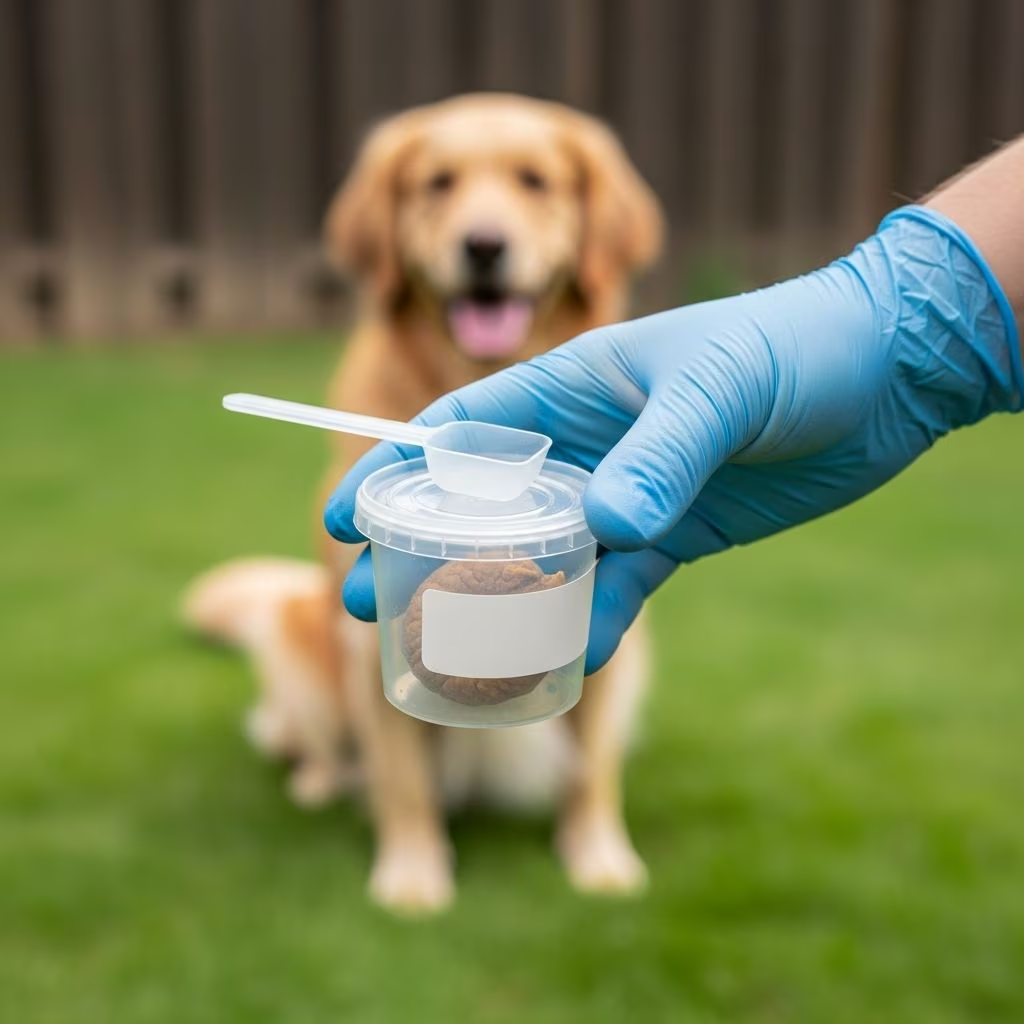
Collecting a stool sample from your dog is a straightforward yet crucial task that empowers you to support your pet’s health monitoring. Veterinary professionals frequently request these samples to identify intestinal parasites, bacterial imbalances, or other digestive concerns that could otherwise go unnoticed. By mastering proper collection techniques, you help ensure test accuracy, leading to faster diagnoses and effective treatments.
Why Fecal Testing Matters for Canine Health
Fecal examinations are foundational in preventive veterinary care. They reveal hidden threats like roundworms, hookworms, giardia, or coccidia, which can cause diarrhea, weight loss, or more severe issues if untreated. Routine testing is especially vital for puppies, dogs in multi-pet homes, or those exploring outdoor environments where parasites thrive.
Tests involve microscopic analysis where stool is mixed with solutions to float parasite eggs for identification. Fresh samples are key because aged or dried feces compromise results—parasite eggs may hatch, degrade, or become undetectable. Early detection prevents zoonotic risks, protecting both your dog and family members.
Ideal Timing and Freshness Requirements
Target samples less than 12 hours old, ideally within 4-6 hours, to maintain viability for accurate lab processing. Plan collection right after a meal, as dogs often defecate 30-60 minutes later. Walk your dog during this window to encourage a bowel movement while keeping the sample pristine.
For watery diarrhea, capture as much liquid as possible immediately, as it dries quickly and loses diagnostic value. Avoid samples contaminated by grass, soil, urine, or litter, which can skew results. If immediate delivery isn’t feasible, refrigeration preserves the sample up to 24 hours, but never freeze it, as this damages cellular structures needed for testing.
Step-by-Step Collection Techniques
Gather supplies: disposable gloves, clean containers (vet-provided pots, ziplock bags, or yogurt cups), a scooper (plastic spoon or inverted bag), and labeling materials. Here’s a reliable process:
- Prepare your gear: Wear gloves for hygiene. Have a leak-proof container ready with a tight lid.
- Observe and act fast: Supervise your dog outdoors or on a walk. Once they defecate, approach promptly.
- Scoop the sample: Use the spoon to gather 1-2 teaspoons (sugar cube size or quarter-sized chunk) from the center, avoiding outer edges that touch ground.
- Transfer securely: Place into the container without overfilling. For bags, invert one over your gloved hand, pick up, then seal inside another bag.
- Label clearly: Note your dog’s name, your contact info, collection date, and time. This prevents mix-ups at the clinic.
For reluctant poopers, confine to a small yard area or use non-litter options like puppy pads for indoor collection.
Storage and Transportation Best Practices
Deliver fresh samples within hours for optimal results. If delayed, refrigerate at 4°C (fridge temp) in a sealed container—do not leave at room temperature beyond 6 hours. Transport in a cooler bag during hot weather to avoid degradation.
Table of Storage Guidelines:
| Sample Age | Storage Method | Max Hold Time |
|---|---|---|
| 0-6 hours | Room temp in sealed container | Immediate delivery preferred |
| 6-24 hours | Refrigerate (do not freeze) | Up to 24 hours |
| Diarrhea/liquid | Refrigerate immediately | 12 hours max |
Arrive at the vet early in the week (Monday-Tuesday) if shipping to labs, ensuring processing before degradation.
Overcoming Common Collection Hurdles
- Dog won’t poop on cue: Feed a small meal, wait 45 minutes, then walk. Exercise stimulates bowels.
- Multiple dogs: Isolate the target dog in a pen or separate yard to confirm the sample’s source.
- Small or hard stools: Collect multiple small pieces totaling the required amount; softness aids lab prep.
- Winter challenges: Clear snow promptly; cold preserves but freezing harms.
- No vet container: Clean plastic tubs or doubled poop bags work fine if labeled properly.
If self-collection fails, vets can obtain samples via rectal exam, though it’s less comfortable for the dog.
Understanding What Vets Test For
Fecal panels screen for ova and parasites (O&P), bacteria like Clostridium or Salmonella, and protozoa. Flotation methods concentrate eggs on slides for microscopy. Chemical tests detect blood, undigested food, or pH imbalances indicating issues like pancreatitis.
Regular screening—every 6-12 months or post-travel—catches silent infestations. Puppies need checks at vaccine visits due to high risk from maternal transmission.
FAQ: Dog Stool Sample Collection
How much stool is enough for testing?
Typically 1-2 teaspoons or a quarter-sized piece. More is better for watery samples.
Can I use a regular poop bag?
Yes, double-bag and label. Ensure no ground contamination.
What if my dog has diarrhea?
Capture fresh liquid in a wide-mouth container; refrigerate immediately and deliver ASAP.
Is freezing okay?
No—freezing ruptures cells, ruining parasite detection.
How often should I test?
Annually for adults; every 3-6 months for pups or high-risk dogs.
Safety Tips for Handlers
Wash hands thoroughly post-collection. Parasites like hookworms can transmit to humans via contaminated soil. Keep samples away from children and other pets during transport.
Incorporate fecal checks into wellness routines alongside heartworm tests for comprehensive care.
References
- Stool Sample Collection — Smiths Station Animal Hospital. Accessed 2026. https://smithsstationah.com/stool-sample-collection
- What to Know About Dog Fecal Tests — American Kennel Club. Accessed 2026. https://www.akc.org/expert-advice/health/dog-fecal-tests/
- How to: collect a poo sample from your dog — PDSA. Accessed 2026. https://www.pdsa.org.uk/pet-help-and-advice/pet-health-hub/medications/how-to-collect-a-poo-sample-from-your-dog
- How to Collect a Stool Sample — Mallard Creek Animal Hospital. Accessed 2026. https://www.mallardcreekvet.com/dr-waldens-blog/how-to-collect-a-stool-sample
- Fecal Sample Instructions — Arroyo Veterinary Center. Accessed 2026. https://www.arroyovet.net/blog/fecal-sample-instructions
- Basic Procedures For Johne’s Herd Testing — Cornell University College of Veterinary Medicine. 2023. https://www.vet.cornell.edu/animal-health-diagnostic-center/programs/nyschap/modules-documents/basic-procedures-johnes-herd-testing



