

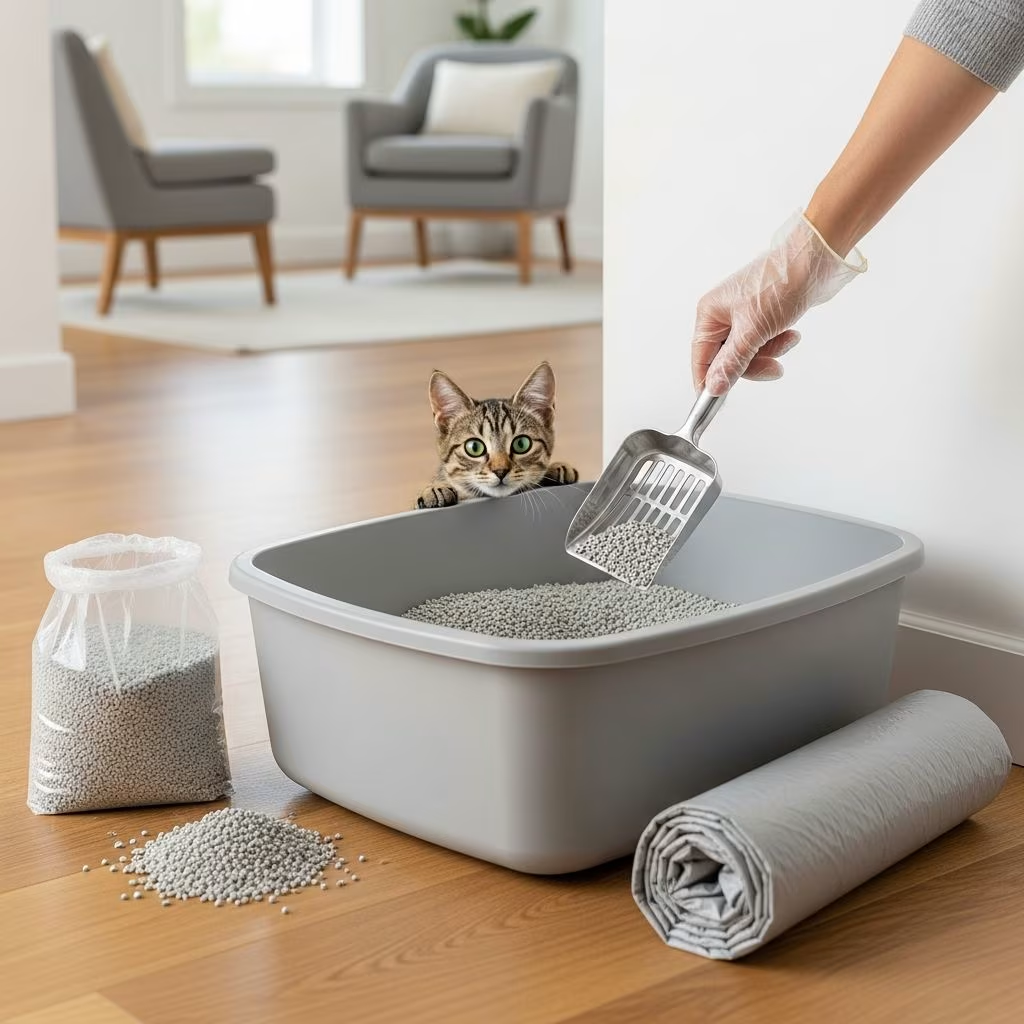
Transitioning your cat to a different type of litter requires patience and a strategic approach to minimize stress and prevent accidents outside the box. Cats are creatures of habit, and sudden changes can lead to avoidance of the litter box, so a gradual introduction is key to success.
Why Consider a Litter Switch?
Pet owners often contemplate changing litters for several practical reasons. Better odor control, improved clumping, lighter weight for easier handling, or environmental benefits like biodegradability motivate many switches. Some litters track less around the home, reducing mess on floors. Health concerns, such as dust irritating a cat’s respiratory system, also play a role. If your current litter causes issues like poor absorption or attracts too much dirt, exploring alternatives makes sense.
However, not every cat needs a change. If your feline uses the box reliably and the litter meets your needs, sticking with it avoids unnecessary disruption. Assess your situation: Is the litter dusty? Does it neutralize smells effectively? Are there tracking issues? These factors guide the decision.
Preparation Before the Switch
Success starts with proper setup. Begin by thoroughly cleaning the litter box. Remove all old litter, wash the box with mild soap and water, and dry it completely. Avoid strong chemical cleaners, as lingering scents can deter your cat. Refill with your current litter to the usual depth, typically 2-3 inches, to maintain familiarity.
Track your start date to monitor progress over days or weeks. Ensure the box location remains the same—cats prefer quiet, accessible spots. Minimize other household changes, like new furniture or routines, during this period to reduce overall stress.
- Clean box thoroughly: Use unscented, pet-safe cleaners.
- Maintain depth: 2-3 inches for proper digging and covering.
- Stable location: Keep away from food areas and high-traffic zones.
Gradual Transition Techniques
The cornerstone of a smooth switch is gradual mixing. Abrupt changes overwhelm cats’ sensitive noses and paws. Veterinary organizations like the American Association of Feline Practitioners (AAFP) and International Society of Feline Medicine (ISFM) endorse a phased approach over about six days.
Here’s a proven 7-14 day method:
- Days 1-2: Remove soiled litter and replace one-third with new litter (25-33% new).
- Days 3-4: Increase to 50% new litter, mixing well.
- Days 5-6: Shift to 75% new litter.
- Day 7+: Use 100% new litter, continuing daily scooping.
Scoop waste daily and top off with new litter each time, gently mixing. Encourage exploration by letting your cat watch and sniff during changes. Offer treats or praise for positive interactions. This method works for most cats, as the familiar scent lingers while introducing the new texture gradually.
Alternative Mixing Strategies
For finicky cats, try a top-layer trick: Fill most of the box with new litter, then add a thin layer (0.5 inch) of old litter on top. As your cat digs, the old layer mixes in naturally. Another option: Set up a second box with 100% new litter nearby, allowing choice. Remove the old box once the new one is consistently used.
Special Considerations for Litter Types
Different litters vary in texture, scent, and absorbency, affecting acceptance.
| Litter Type | Key Features | Transition Tip |
|---|---|---|
| Clumping Clay | Dustier, strong clumping | Mix slowly; watch for dust sensitivity. |
| Non-Clumping Clay | Budget-friendly, less mess | Increase ratios faster if cat adapts well. |
| Wood Pellets | Biodegradable, textured, pine scent | Start with small amounts due to coarseness. |
| Silica Crystals | Low dust, high absorbency | Separate process; consult manufacturer for specifics. |
| Corn/Walnut Natural | Lightweight, flushable | Gradual blend prevents rejection of softer feel. |
Pellet litters, made from pine or wood, appeal for eco-friendliness but feel coarser. Introduce incrementally to acclimate paws. Silica requires unique handling, as it doesn’t mix like granules—outreach to experts if switching from it.
Switching Litter Boxes Alongside Litter
Changing both litter and box simultaneously heightens stress. Introduce the new box with the current litter first, placing it near the old one. Once accepted, begin litter transition in the new box. Ideal spots mimic the original: private yet accessible, away from food and water.
Litter box types matter—covered vs. open, high-sided vs. low. Match your cat’s preferences: seniors or kittens favor low entry; diggers like deeper boxes.
Troubleshooting Common Problems
If your cat avoids the box, pauses, or eliminates elsewhere, act promptly. Signs of rejection include sniffing without using, box avoidance, or inappropriate urination.
- Step back: Revert to more old litter for 1-2 days until habits normalize.
- Add familiar scent: Place a small soiled scoop from the old litter into the new mix.
- Multiple boxes: Offer choices to reduce anxiety.
- Health check: Rule out urinary issues with a vet visit.
Maintain scooping 1-2 times daily and full changes weekly, adjusting for household size. Unscented cleaners preserve appeal.
Post-Transition Maintenance
After full adoption (typically 1-4 weeks), deep clean the box: empty, scrub, dry, and refill solely with new litter. Monitor for a month to confirm habits stick. Consistent cleaning prevents buildup, keeping the box inviting.
Long-term, observe tracking, dust, and odor control. Adjust depth or frequency as needed. Multi-cat homes require one box per cat plus one extra.
Expert Tips for Success
Veterinarians emphasize gradualism to respect feline instincts. Patience pays off—rushing leads to setbacks. Positive reinforcement builds associations. For stubborn cases, pheromone diffusers calm nerves.
Avoid during life stressors like moves or new pets. Track progress in a journal: usage dates, mix ratios, behaviors.
Frequently Asked Questions (FAQs)
How long does litter transition take?
Typically 7-14 days, but up to a month for picky cats. Follow your cat’s pace.
What if my cat stops using the box?
Revert ratios, add familiar waste, or provide extra boxes. Consult a vet if persists.
Can I switch litters while changing boxes?
Introduce box first with old litter, then transition litter.
Is pellet litter hard to switch to?
Yes, due to texture—mix very gradually over 10+ days.
How often to fully change litter?
Scoop daily; full refresh weekly for singles, more for multiples.
Benefits of Successful Transitions
A well-executed switch enhances home hygiene, cat comfort, and owner satisfaction. Lighter litters ease chores; naturals reduce environmental impact. Healthier choices mean happier pets and fewer vet trips.
With these strategies, most cats adapt seamlessly, maintaining perfect litter habits.
References
- Tuft + Paw Cat Guides: How To Switch Your Cat To a New Litter — Tuft + Paw. 2023. https://www.tuftandpaw.com/blogs/cat-guides/how-to-switch-your-cat-to-a-new-litter
- Purina Articles: Tips for Switching Cat Litter — Purina. 2024. https://www.purina.com/articles/cat/behavior/litter/how-to-switch-cat-litter
- World’s Best Cat Litter Blog: How to Switch Your Cat to Natural Litter — World’s Best Cat Litter. 2023. https://www.worldsbestcatlitter.com/blog/switch-to-natural-cat-litter/
- American Association of Feline Practitioners (AAFP) Feline Environmental Needs Guidelines — AAFP/ISFM. 2021 (authoritative consensus on cat stress and litter). https://catvets.com/public/PDFs/PracticeGuidelines/Feline-Environmental-Needs-Guidelines.pdf
- PrettyLitter Blog: How To Help Your Cat Transition To A New Litter — PrettyLitter. 2023. https://www.prettylitter.com/blog/how-to-help-your-cat-transition-to-a-new-litter



