

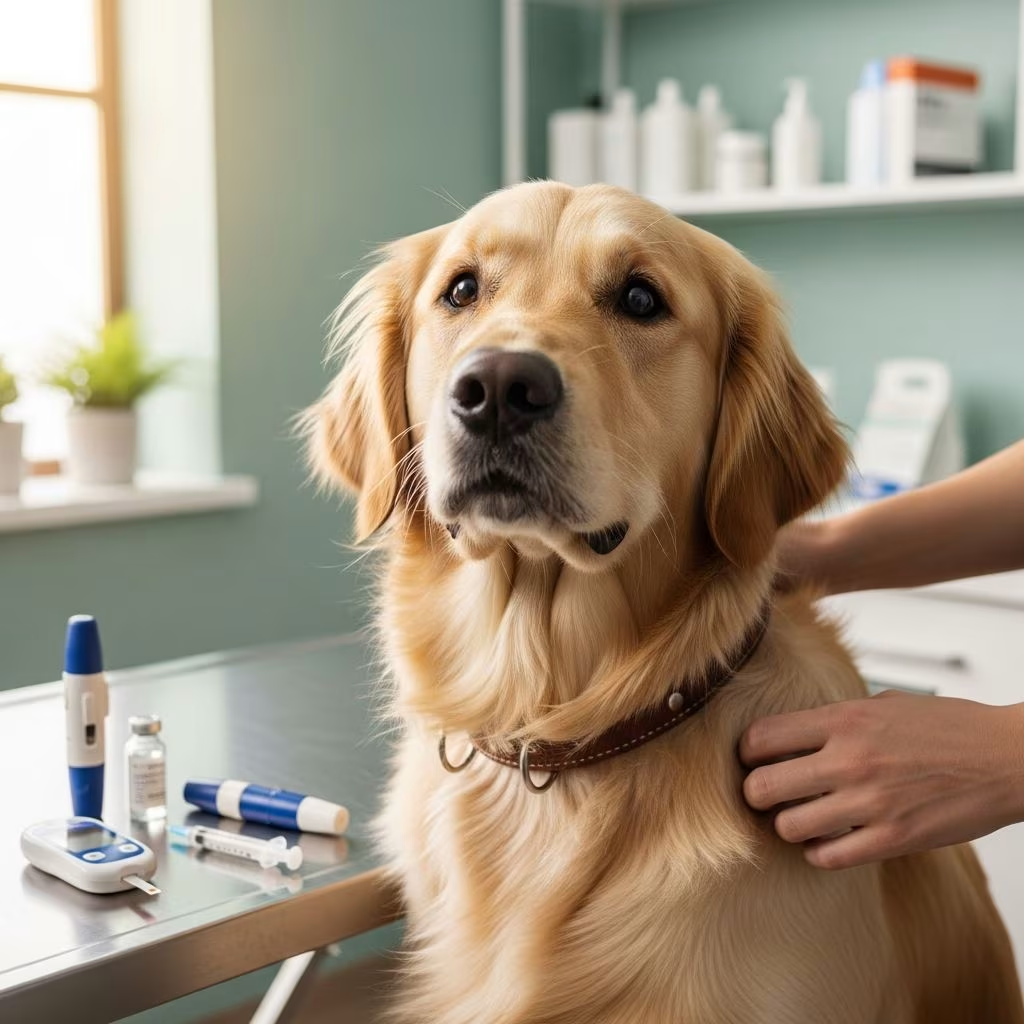
Diabetes mellitus affects thousands of dogs annually, requiring dedicated management to ensure a good quality of life. This condition disrupts the body’s ability to regulate blood sugar, but with proper intervention, many dogs thrive for years.
Understanding Diabetes in Dogs
Canine diabetes occurs when the pancreas fails to produce sufficient insulin or when the body cannot use it effectively. Insulin, a hormone, facilitates glucose entry into cells for energy. Without it, glucose builds up in the blood, leading to hyperglycemia.
Symptoms include excessive thirst, frequent urination, unexplained weight loss despite increased appetite, lethargy, and blurred vision risks from cataracts. Early detection prevents severe complications like ketoacidosis, a life-threatening state involving acidic blood buildup.
- Excessive thirst (polydipsia): Dogs drink more to dilute high blood sugar.
- Frequent urination (polyuria): Kidneys expel excess glucose, pulling water with it.
- Weight loss: Cells starve despite high blood glucose.
- Lethargy and weakness: Lack of cellular energy.
Breeds like Poodles, Dachshunds, and Miniature Schnauzers show higher predisposition, often linked to genetics, obesity, or pancreatitis history.
Confirming the Diagnosis
Veterinarians diagnose via blood tests showing persistent hyperglycemia above 200 mg/dL and glucosuria (glucose in urine). Normal canine blood glucose ranges 80-120 mg/dL; levels over 180 mg/dL trigger urine excretion.
Urinalysis rules out infections, common in diabetics due to sugar-rich urine attracting bacteria. Additional tests like fructosamine measure long-term control, while complete blood counts assess concurrent issues.
| Test | Normal Range | Diabetic Indicator |
|---|---|---|
| Blood Glucose | 80-120 mg/dL | >200 mg/dL |
| Urine Glucose | Negative | Positive |
| Fructosamine | 200-350 µmol/L | >400 µmol/L |
Rule out stress hyperglycemia with repeat tests or curve monitoring.
Starting Insulin Treatment
Exogenous insulin is the cornerstone therapy. Vets select based on stability: short-acting for crises, intermediate or long-acting for maintenance.
Common options:
- Lente or NPH: Start 0.25-0.5 U/kg subcutaneously every 12 hours.
- Protamine zinc insulin (ProZinc): Once-daily for some, effective in 72% of cases.
- Glargine or detemir: Basal insulins, twice-daily, potent so monitor closely.
Injections use U-40 or U-100 syringes matching insulin strength. Give before meals to pair with food, reducing injection aversion. Initial control takes 4-6 weeks; patience is key.
Optimizing Nutrition for Stability
Diet profoundly influences glycemic control. Feed twice daily matching insulin schedule, emphasizing high insoluble fiber to slow glucose absorption and curb post-meal spikes.
Key principles:
- Calorie control for ideal body weight; obesity worsens insulin resistance.
- Low glycemic index carbs, moderate protein, healthy fats.
- Consistent portions; divide daily needs equally.
Vet-recommended therapeutic foods aid, but home-cooked requires balancing. Small, calculated snacks at insulin peak (4-8 hours post-dose) prevent lows. Avoid table scraps disrupting control.
Establishing Daily Routines
Consistency stabilizes levels. Fixed times for meals, insulin, and exercise minimize fluctuations.
- Wake, feed breakfast, insulin 1.
- Midday walk.
- Dinner, insulin 2.
- Evening play.
Exercise enhances insulin sensitivity; moderate walks suit most. Adjust for age/fitness, avoiding overexertion risking hypoglycemia. Track behavior changes signaling issues.
Home Monitoring Techniques
Regular checks prevent extremes. Methods include:
- Urine strips: Detect glucose/ketones; early weeks useful.
- Blood glucose curves: Ear prick samples plot 12-24 hour profiles.
- Continuous monitors: Emerging tech for real-time data.
Log meals, doses, activity, water intake. Hypoglycemia signs (shaking, seizures) demand immediate sugar like honey. Vets adjust via curves every 1-2 weeks initially.
Preventing and Handling Complications
Untreated, diabetes causes cataracts (75% cases), infections, neuropathy. Ketoacidosis requires hospitalization.
Strategies:
- Quarterly vet exams for fructosamine, urine cultures.
- Dental care; diabetics prone to periodontal disease.
- Weight management via diet/activity.
Hypoglycemia from overdose manifests as disorientation, collapse. Rub corn syrup on gums, then feed; seek emergency if unresponsive.
Long-Term Prognosis and Adjustments
With adherence, dogs live normal spans. Regulated pets avoid euthanasia, common pre-education (up to 25%).
Adapt for life changes: aging, pancreatitis needing low-fat diets. Tech like apps tracks logs. Owner commitment yields rewards; many report thriving pets.
Frequently Asked Questions
Can my dog live a normal life with diabetes?
Yes, diligent management allows active, happy lives comparable to non-diabetics.
How often do I give insulin?
Typically twice daily, but vet determines based on insulin type and response.
What if I miss a dose?
Don’t double; contact vet. Feed lightly, monitor closely.
Is home cooking okay?
Possible with vet nutritionist; prescription diets often simpler for control.
How do I know if levels are stable?
No clinical signs, blood curves in target (100-250 mg/dL non-fed), normal fructosamine.
References
- Diabetes Mellitus in Dogs and Cats — Merck Veterinary Manual. 2023. https://www.merckvetmanual.com/endocrine-system/the-pancreas/diabetes-mellitus-in-dogs-and-cats
- Treating and Managing Diabetes Mellitus in Dogs — Today’s Veterinary Practice. 2023. https://todaysveterinarypractice.com/endocrinology/treating-and-managing-diabetes-mellitus-in-dogs/
- 2018 AAHA Diabetes Management Guidelines for Dogs and Cats: 2022 Update — American Animal Hospital Association (AAHA). 2022-10-01. https://www.aaha.org/wp-content/uploads/globalassets/02-guidelines/diabetes/2018-aaha-diabetes-management-guidelines-2022-update.pdf
- Nutrition for Dogs with Diabetes Mellitus — VCA Animal Hospitals. 2023. https://vcahospitals.com/know-your-pet/nutrition-for-dogs-with-diabetes-mellitus
- Diagnosis & Management for Canine Diabetes — Merck Animal Health USA. 2023. https://www.merck-animal-health-usa.com/hub/vetsulin/dogs/diagnosis-management-for-canine-diabetes/
- Managing Canine Diabetes — Cornell University College of Veterinary Medicine. 2023. https://www.vet.cornell.edu/departments-centers-and-institutes/riney-canine-health-center/canine-health-information/managing-canine-diabetes



