Breeding Snakes: Complete Guide To Successful Reproduction
Unlock the secrets to successful snake breeding with expert tips on preparation, mating, incubation, and caring for newborns.
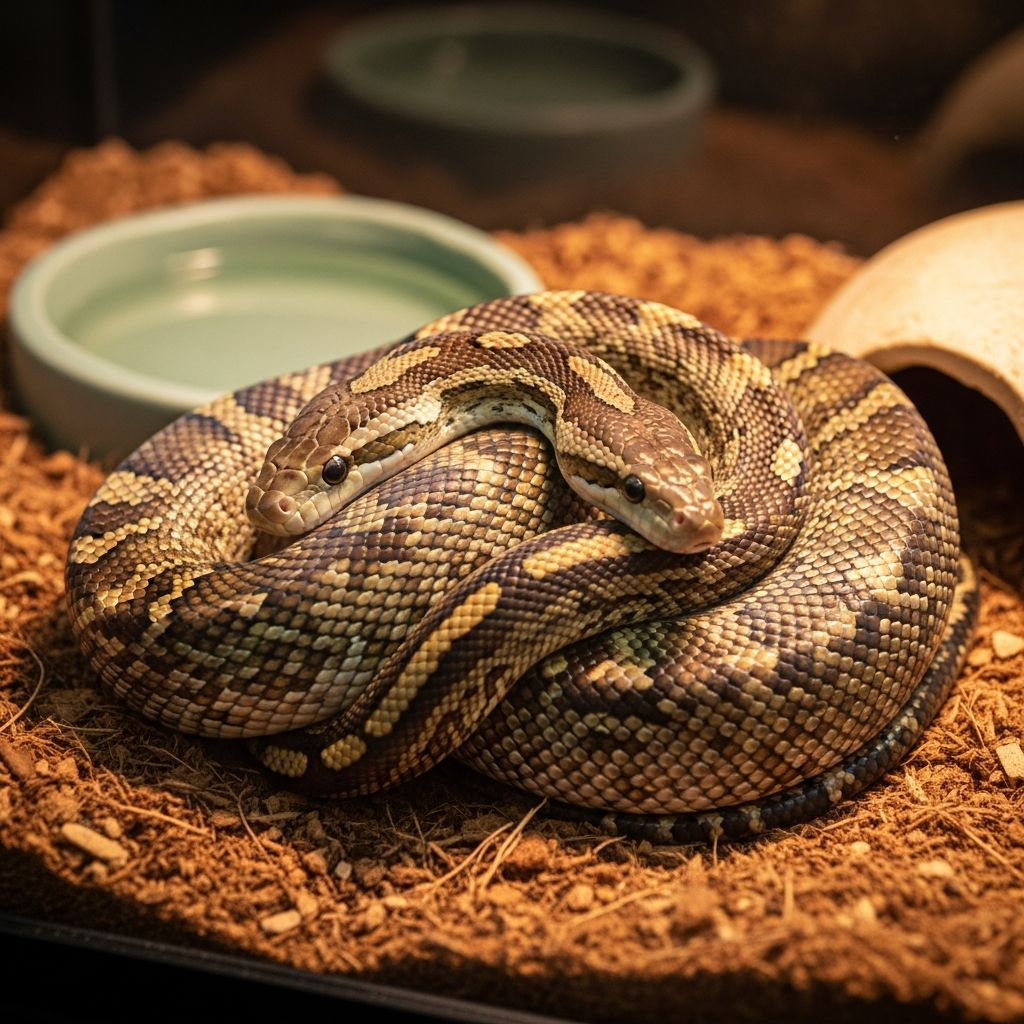
Guide to Breeding Snakes Successfully
Breeding snakes can be a rewarding endeavor for dedicated reptile keepers, allowing you to contribute to the hobby while producing healthy offspring. Success hinges on meticulous planning, species-specific knowledge, and attentive care throughout the process. This guide outlines key stages from preparation to hatchling care, drawing on proven practices for various popular species.
Preparing Your Snakes for Reproduction
Before attempting to breed, ensure your snakes are in prime condition. Sexual maturity varies by species: corn snakes typically reach it at 2-3 years, ball pythons around 3-5 years, and larger pythons like retics may take 4 years or more. Assess body weight and overall health; females need ample fat reserves to support egg development and laying.
- Health Check: Consult a reptile veterinarian for a pre-breeding exam to rule out parasites, respiratory issues, or nutritional deficiencies.
- Nutrition Boost: Feed adults more frequently in the months leading up to breeding season, offering appropriately sized prey like rodents enriched with calcium and multivitamins.
- Quarantine: Keep potential breeding pairs separated until breeding time to prevent disease transmission.
Males should exhibit robust muscle tone and active behavior, while females gain noticeable weight. Overly thin snakes risk egg-binding or weak hatchlings.
Selecting Ideal Breeding Pairs
Compatibility is crucial for successful matings and viable offspring. Pair unrelated individuals to minimize genetic defects; track lineage using records or software common in herpetoculture. Age matching helps—pair snakes of similar maturity to avoid stress.
| Factor | Considerations for Males | Considerations for Females |
|---|---|---|
| Age | At least 2-3 years, proven fertile if possible | 3+ years, first-time breeders after 4 years |
| Size/Weight | Strong, active without obesity | 20-30% above average weight for egg production |
| Genetics | Diverse lineage, desirable traits | Complementary to male, no close relations |
| Temperament | Non-aggressive during introductions | Receptive, not defensive |
Observe interactions closely during initial introductions; aggression signals incompatibility.
Simulating Natural Breeding Cycles
Many snakes require environmental cues mimicking seasonal changes to trigger reproduction. For temperate species like corn snakes, implement a brumation period: gradually lower enclosure temperatures by 5-10°F (to 65-75°F) and reduce lighting/photoperiod to 8-10 hours for 2-3 months in winter.
Tropical species like ball pythons may not need full brumation but benefit from slight cooling (75-80°F nights) and reduced feeding. Gradually reverse these conditions in spring to stimulate hormones. Watch for cues like increased activity, skin shedding, or male courtship displays.
- Temperature Drop: Monitor with digital thermometers; avoid extremes below 60°F.
- Feeding Adjustment: Skip 2-4 feeds during cooling to promote fat utilization.
- Post-Brumation: Warm up slowly over 1-2 weeks, resume normal feeding.
Facilitating the Mating Process
Introduce the male to the female’s enclosure after conditioning. Courtship involves the male rubbing against the female, tongue-flicking, and aligning for cloacal contact. Copulation can last minutes to hours; males may use spurs to stimulate.
Repeat introductions every 4-7 days until the female ovulates—indicated by a mid-body bulge lasting 24 hours and tail deflation. Ball pythons can store sperm for months, allowing multiple clutches. Provide privacy with hides; mist lightly to encourage if needed.
Separate post-mating to prevent fights. Monitor for signs of stress like refusal to eat or hiding excessively.
Creating Optimal Housing for Breeding
Enclosures must replicate natural habitats. Use secure setups with thermostat-controlled heat sources: under-tank heaters for belly heat (88-92°F gradient), overhead basking (95°F hot spot for some species).
- Humidity: 50-70% daytime, higher (80-90%) at night for egg-layers like ball pythons.
- Substrate: Cypress mulch or coconut fiber for moisture retention.
- Size: Minimum 4x2x2 feet for adults; larger for giants.
Include multiple hides, branches for arboreals, and fresh water. UVB optional for most but beneficial for some like kingsnakes.
Recognizing Ovulation and Egg Laying
Post-mating, females develop follicles visible as swelling. Ovulation follows 4-6 weeks later. Provide a lay box: plastic tub with moist vermiculite or sphagnum moss, half-buried in substrate.
Females seek seclusion; laying occurs 4-6 weeks after ovulation, with 5-30 eggs per clutch depending on species. Eggs are leathery; handle minimally. Remove lay box immediately after to reduce stress on the mother.
Mastering Egg Incubation Techniques
Incubation is critical for hatch rates. Use a dedicated incubator (modified fridge or commercial unit) at species-specific temps:
| Species | Temp (°F) | Humidity (%) | Duration (Days) |
|---|---|---|---|
| Corn Snake | 82-85 | 80-90 | 55-65 |
| Ball Python | 88-90 | 90-100 | 50-60 |
| King Cobra | 86-90 | 70-80 | 60-75 |
| Rat Snake | 80-84 | 75-85 | 40-60 |
Place eggs ‘sunny side up’ (notched end down) in vermiculite:water mix (1:1 by weight). Check daily for mold or deflation; dimpling near hatch is normal as babies absorb shell. Rotate gently if needed, but avoid disturbing.
Caring for Hatchlings and Mothers
Hatchlings emerge head-first, absorbing yolk sacs within days. House individually in small tubs (6qt) with paper towels initially to monitor feeding. Offer pinky mice/rats first feed 5-7 days post-hatch; scent with chicken broth if reluctant.
Mothers recover quickly; return to sanitized enclosure, offer large meals. Monitor weight loss—supplement if under 10%. Hatchlings grow rapidly; upgrade housing as they reach 200g.
- Setup: Lid with air holes, heat pad (85-88°F warm side).
- Growth: Feed every 5-7 days, track morphs/genetics.
- Sales/rehoming: Ensure buyers are prepared; quarantine new homes.
Troubleshooting Breeding Problems
Common issues include infertile eggs (candling at 7-10 days shows no veins), egg-binding (soak in warm water, vet if persists), or aggression (separate permanently). Poor hatch rates often stem from temp fluctuations—use reliable controllers.
Female refusal? Double-check conditioning. Weak babies indicate parental malnutrition.
Legal and Ethical Considerations
Research local laws on breeding/selling reptiles; some species require permits. Prioritize welfare: don’t overbreed females (max 1-2 clutches/year). Support rescues if inexperienced.
Frequently Asked Questions
What age can snakes breed?
Species-dependent: 18-24 months for small colubrids, 3+ years for pythons. Always prioritize size/weight over age.
How do I know if eggs are fertile?
Candle with LED light after 10 days: fertile show red veins/blood ring; infertile are clear/yellow.
Can I breed first-time parents?
Yes, but pair experienced males with novices for better success.
What if the female doesn’t lay eggs?
Ensure lay box; vet for dystocia. Patience—some delay up to 60 days.
How often should I feed breeding snakes?
Weekly pre-breeding, pause during brumation, frequent post-lay for recovery.
References
- Mastering Snake Breeding Tips for Healthy Serpents — Reptile Super Show. 2023. https://reptilesupershow.com/mastering-snake-breeding-tips-for-healthy-serpents/
- Snake Breeding Guide — Swell Reptiles. 2024. https://www.reptiles.swelluk.com/help-guides/snake-breeding-guide/
- Snake Reproduction: How Snakes Lay Eggs and Reproduce — VetToday. 2025-01-15. https://vettoday.com/blog/pet-health/snake-reproduction/
- Breeding 101 — Ball-Pythons.net Forums. 2023. https://ball-pythons.net/forums/showthread.php?154230-Breeding-101
- How Do Snakes Mate? — Discover Wildlife (BBC). 2024-06-10. https://www.discoverwildlife.com/animal-facts/reptiles/how-do-snakes-mate
Similar Articles







Read full bio of medha deb