

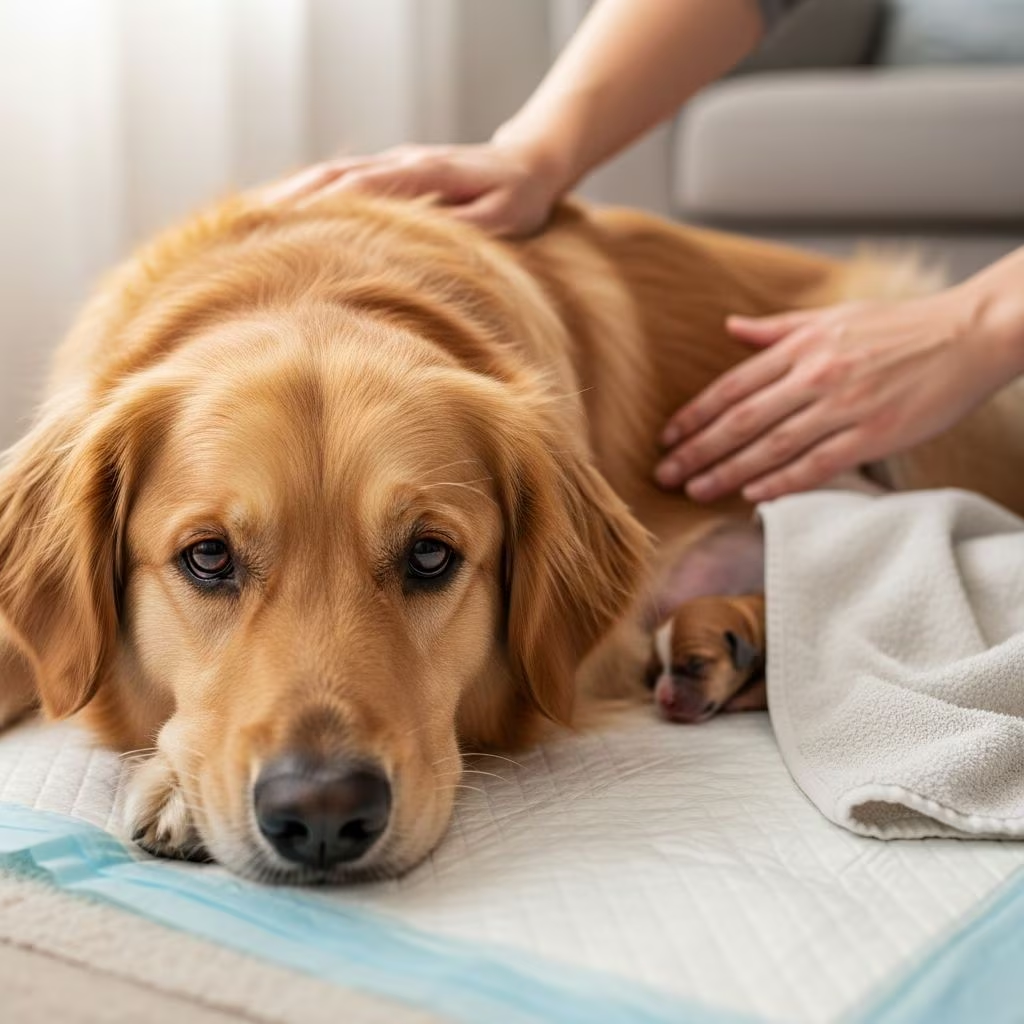
Supporting a dog through labor, known as whelping, requires knowledge of the process, preparation, and vigilance for complications. Most dogs deliver litters naturally, but understanding the stages ensures you can intervene if needed.
Recognizing the Onset of Labor
Dog pregnancy lasts about 63 days from ovulation. Monitor closely from day 55. Key signs include a rectal temperature drop below 98.5°F (37°C), occurring 12-24 hours before labor starts. Take temperature twice daily with a rectal thermometer.
Behavioral changes signal impending birth: restlessness, pacing, panting, shivering, digging, nesting, loss of appetite, vomiting, or milk production. These indicate uterine contractions beginning.
- Temperature drop: Primary indicator; labor follows within 24 hours.
- Restlessness: Dog may refuse food and seek isolation.
- Nesting: Instinctive preparation of a birthing area.
Preparing Your Home for Whelping
Create a whelping area 1-2 weeks before due date. Use a large box with low sides lined with clean towels or newspapers for easy cleanup. Place in a quiet, warm (75-85°F), draft-free room. Include essentials: clean towels, heating pad (low setting), rectal thermometer, scissors (sterilized), iodine, bulb syringe, and scale for weighing puppies.
| Supply | Purpose |
|---|---|
| Clean towels/newspapers | Bedding and cleanup |
| Bulb syringe | Clear airways |
| Iodine | Umbilical cord disinfection |
| Heating source | Maintain puppy warmth |
| Scale | Track puppy weights |
Stock emergency contacts: your vet and a 24-hour clinic. Schedule a pre-whelping exam to confirm puppy count via ultrasound or x-ray.
Understanding the Three Stages of Whelping
Whelping divides into three stages, each with distinct signs and durations.
Stage 1: Pre-Birth Preparation
This initial phase lasts 6-12 hours, up to 36 hours in first-time moms. Uterus contracts, cervix dilates. Dog appears anxious: pants, shivers, nests aggressively, may vomit. No puppies yet; provide calm support.
Rectal temperature rises back to normal as active labor nears. If no progression after 24-36 hours, consult vet.
Stage 2: Puppy Delivery
Active labor begins with visible straining. Puppies arrive every 20-60 minutes, first often taking 30 minutes to 2 hours. Each birth involves a water sac, followed by the puppy (head first usually).
Mother licks sac off, chews umbilical cord, stimulates breathing. If she doesn’t, gently tear sac with clean towel, rub puppy dry, clear mouth/nose with bulb syringe. Dip cord end in iodine. Expect 3-12 hours total for litter.
Rest periods up to 4 hours between puppies are normal if dog relaxes.
Stage 3: Placenta Expulsion
Follows each puppy: placenta passes 5-15 minutes later. Count them to match puppy number; mother may eat some (natural but monitor for diarrhea). Retain one or two if she wants; discard rest.
Process repeats until litter complete, typically 6-12 hours from stage 2 start, not exceeding 24 hours.
Caring for Newborn Puppies
Puppies need warmth (95-99°F first week, decreasing gradually), mother’s milk within 2 hours of birth for colostrum (antibodies). Ensure all nurse; weak ones may need tube-feeding puppy formula.
Weigh daily: healthy puppies gain 10-15% body weight first day, double birth weight in 10 days. Monitor for hypothermia, dehydration, crying (hunger/cold).
- Check nursing every 2 hours initially.
- Maintain clean, dry environment.
- Examine for cleft palate or hernias.
Common Issues and Emergency Signs
Intervene if: no puppy after 2-4 hours of strong straining; over 30 minutes per puppy; pup visible but undelivered after straining; breaks >4 hours with more pups expected; green/brown discharge without puppy in 2-3 hours; lethargy, fever, foul discharge post-birth.
Dystocia (difficult birth) affects 5-20% first litters. Causes: large pups, malposition, uterine inertia. Rush to vet for C-section if needed.
| Normal | Emergency |
|---|---|
| Straining 10-30 min/puppy | >30 min no puppy |
| Breaks <4 hours | >4 hours with pups inside |
| Clear fluid | Green discharge, no pup |
Post-Whelping Care for Mother and Pups
Monitor dam: ensure eating/drinking within 24 hours, lochia (bloody discharge) clears in 3 weeks. Check teats for mastitis (swollen, red). Pups: vaccinate/deworm at 6-8 weeks.
Wean at 6-8 weeks. Spay non-breeding dogs post-weaning to prevent future litters.
Frequently Asked Questions
How long does dog labor last?
Stage 1: 6-36 hours; stage 2: 3-12 hours; total under 24 hours.
Should I pull puppies out?
No, unless fully emerged and sac-covered; gently assist otherwise. Call vet.
Can my dog give birth outside whelping box?
Yes; block off area. Provide secure space.
What if mom rejects a puppy?
Warm, feed formula, reintroduce gradually. Consult vet.
How many puppies to expect?
Varies by breed/size: 1-15 average 5-6. X-ray confirms.
Word Count: 1678 (excluding HTML tags)
References
- Whelping: A Guide To Help Your Dog Through Labor — PetMD. 2023. https://www.petmd.com/dog/general-health/whelping
- How do I know my dog is in labour? — Paws in Work. 2023. https://www.pawsinwork.com/blog/how-do-i-know-my-dog-is-in-labour
- Signs And Stages of Dog Labor — Bellylabs. 2023. https://belly-labs.com/blogs/science/signs-and-stages-of-dog-labor
- Everything You Need to Know About Birthing Puppies — Noah Vets. 2023. https://www.noahvets.com/everything-you-need-to-know-about-birthing-puppies/
- Dog Whelping & Birth Guide — OAH Vet. 2023-10-21. https://www.oahvet.com/site/blog/2023/10/21/dog-whelping-birth-guide
- Whelping – a guide to your dog giving birth — PDSA. 2023. https://www.pdsa.org.uk/pet-help-and-advice/pet-health-hub/other-veterinary-advice/whelping-a-guide-to-your-dog-giving-birth



