

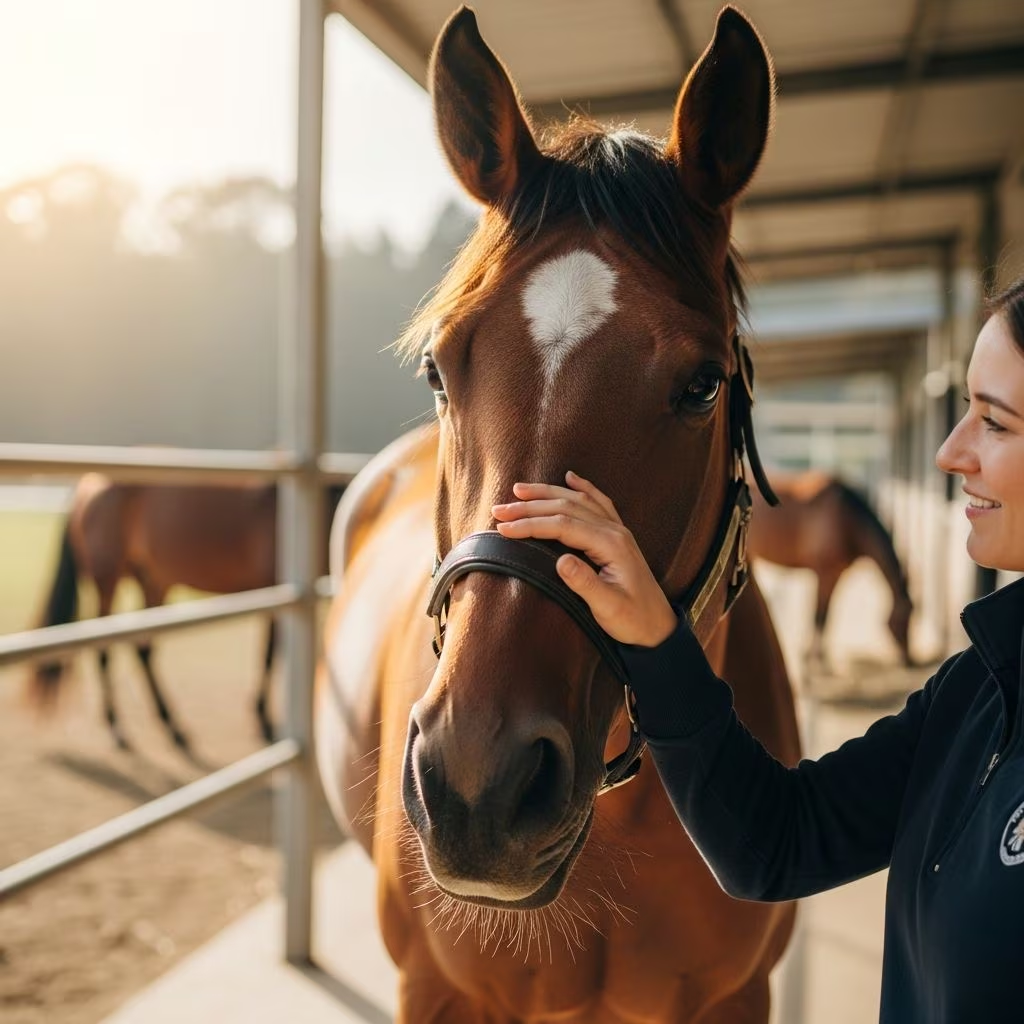
Bringing a horse into your life is a rewarding commitment that demands preparation, knowledge, and resources. Whether choosing adoption from a rescue organization or purchasing from a private seller, understanding the processes ensures a successful match and healthy partnership.
Understanding Your Options: Adoption vs. Purchase
Adoption typically involves horses from rescues or sanctuaries, often saving them from neglect, slaughter, or abandonment. These programs prioritize the animal’s welfare with strict screening. Purchasing, on the other hand, occurs through breeders, private owners, or auctions, offering more variety in breeds and training but requiring personal due diligence on health and history.
Rescue adoptions emphasize compatibility and long-term commitment, frequently including contracts that prevent resale or breeding. Private buys allow negotiation but lack built-in safeguards, making veterinary pre-purchase exams essential.
| Aspect | Adoption | Purchase |
|---|---|---|
| Cost | Fixed fees ($300-$2000), non-refundable | Variable ($1000-$50,000+), negotiable |
| Screening | Rigorous application, home checks | Buyer-led inspections |
| Horse Background | Often rescued/rehomed | Breed-specific or trained |
| Contracts | Mandatory, no-transfer clauses | Bill of sale optional |
Preparing for Horse Ownership
Before proceeding, evaluate your readiness. Horses live 25-30 years, incur annual costs of $3,000-$10,000 for feed, vet care, and farrier services, and need daily attention.
- Space Requirements: Secure at least 1-2 acres per horse for pasture, plus shelter. Corrals need 400 sq ft minimum per animal.
- Financial Stability: Budget for emergencies, like colic surgery ($5,000+).
- Time Commitment: Daily turnout (12+ hours), grooming, exercise.
- Experience Level: Beginners should opt for trained horses; advanced riders can handle projects.
Step-by-Step Adoption Process
Rescue adoptions follow a structured path to match humans and horses effectively.
- Research and Contact: Browse available horses online. Email or call the rescue to discuss needs, like riding discipline or temperament.
- Schedule Visits: Arrange multiple meetings (2-3+). For rideable horses, complete trial rides to assess suitability.
- Submit Application: Provide references (vet, personal), facility photos, and pay a processing fee ($25-$50, non-refundable). Expect checks on your setup.
- Facility Inspection: Rescues verify fencing, shelter, water, and pasture. Approval is required before proceeding.
- Sign Contract and Pay: Review adoption agreement (no breeding/selling), pay fee (often 1/3 deposit first), and transport the horse.
Post-adoption, submit photos biannually and allow unannounced visits. Horses must return to the rescue if you can’t keep them.
Facility Standards for Success
Rescues enforce minimums to protect adopted horses.
Shelter Options
- Stalls: 10×10 ft minimum (12×12 preferred), clean bedding, ventilation.
- Run-in Sheds: 3-sided, 6×6 ft per horse, solid roof.
Pasture and Fencing
- 1 acre minimum per horse; check local zoning.
- Fencing: 4.5 ft high, no barbed wire, chain link, or T-posts as primary. Safe materials: wood, vinyl, woven wire.
Water and Companionship
Constant clean water via tubs/troughs (heated in winter). Horses need equine companions (pony, donkey); livestock don’t qualify.
Navigating Private Purchases
For buying, source reputable sellers via breed associations or trainers. Avoid auctions unless experienced.
- Pre-Purchase Exam (PPE): Vet checks teeth, limbs, heart ($300-$600). Includes flexion tests, radiographs if needed.
- Trial Periods: Negotiate 30-day returns, rare but valuable.
- Paperwork: Demand health records, Coggins test (EIA negative), brand inspection.
Wild horse adoptions via BLM require 18+ age, corral space, and training prep.
Health and Veterinary Essentials
Schedule a vet within 24 hours of arrival. Core vaccines: tetanus, rabies, EEE/WEE/VEE, flu/rhino. Deworm quarterly; farrier every 6-8 weeks.
| Service | Frequency | Cost Estimate |
|---|---|---|
| Floating Teeth | Yearly | $150-$300 |
| Hoof Trims/Shoes | 6-8 weeks | $50-$200 |
| Vaccines/Deworm | Bi-annual/Quarterly | $100-$300/year |
Post-Adoption or Purchase Care Routine
Quarantine new horses 2-3 weeks. Introduce gradually to herd. Feed high-quality hay (1.5-2% body weight daily), grain if active. Monitor weight, manure, attitude.
- Dental: Annual floats prevent colic.
- Exercise: 30-60 min daily rides or turnout.
- Manure Management: Remove daily to prevent parasites.
Common Pitfalls and How to Avoid Them
Underestimating costs or space leads to returns. Choose based on lifestyle: trail horse for casual riders, not competition prospects initially.
- Mismatched Expectations: Test extensively before committing.
- Poor Facilities: Upgrade fencing/water first.
- No Support Network: Join local equine groups, trainers.
Frequently Asked Questions
What’s the average adoption fee?
Fees range $500-$1500, funding rescues. Non-refundable.
Can I adopt if I’m a beginner?
Yes, many rescues match novices with gentle horses, requiring education commitment.
Do I need a companion animal?
Most rescues require it for herd dynamics.
What if I can’t keep the horse?
Return to rescue only; no third-party transfers.
How far can I live from the rescue?
Often continental U.S., case-by-case.
Long-Term Commitment and Resources
Ownership evolves: annual checkups, training refreshers. Leverage rescues for advice post-adoption. For wild horses, BLM offers training incentives.
Success stems from preparation. By following these guidelines, you’ll provide a thriving home.
References
- Gentle Giants Draft Horse Rescue – Adoption Process — Gentle Giants Draft Horse Rescue. 2023. https://www.gentlegiantsdrafthorserescue.org/adoption-process
- Brave Hearts Equine Center – How to Adopt a Horse — Brave Hearts Equine Center. 2023. https://braveheartsequinecenter.com/how-to-adopt-a-horse/
- Illinois Horse Rescue – Equine Adoption Information — Illinois Horse Rescue of Will County. 2023. https://www.illinoishorserescue.org/equine-adoption-information
- ASPCA – Helping Horses: It Starts with Adoption — ASPCA. 2023-10-15. https://www.aspca.org/news/helping-horses-it-starts-adoption
- BLM – How to Adopt or Purchase a Wild Horse or Burro — U.S. Bureau of Land Management (.gov). 2025. https://www.blm.gov/programs/wild-horse-and-burro/adoption-and-sales/how-to-adopt-or-purchase
- BLM – Adoption Program — U.S. Bureau of Land Management (.gov). 2025. https://www.blm.gov/programs/wild-horse-and-burro/adoptions-and-sales/adoption-program



