

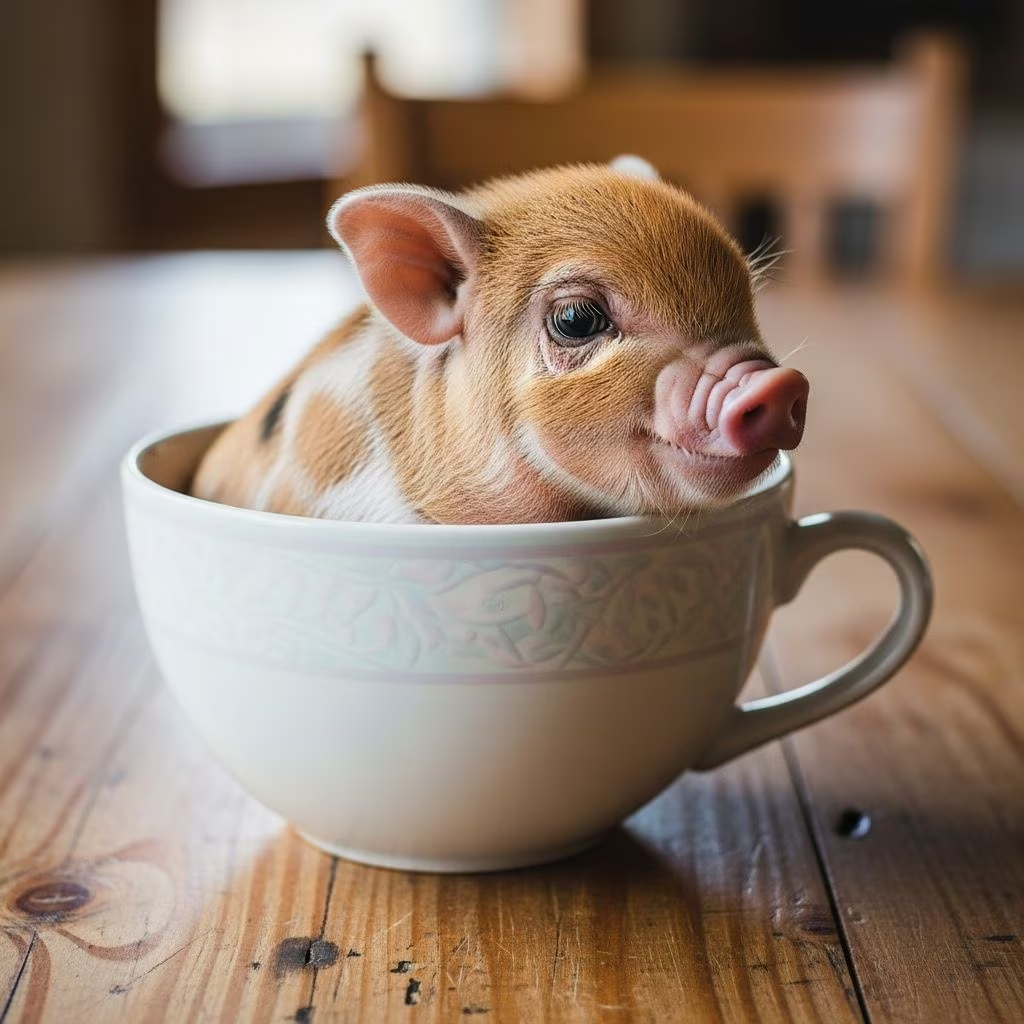
A Guide to Teacup Pigs (Mini Pigs)
Teacup pigs for sale? Buyer beware: Baby piglets might not be true teacup pigs—also known as mini pigs, micro pigs, dwarf pigs, pygmy pigs, and nano pigs. Pet pigs who stay small are more myth than reality. If you’re considering adopting a teacup pig, it’s crucial to understand what these animals actually are, how they grow, and what care they require. This comprehensive guide will help you make an informed decision about whether a mini pig is the right pet for your family.
Do Teacup Pigs Always Stay Small?
The term “teacup” carries significant weight in the pet industry, often used to suggest that an animal will remain permanently diminutive. When applied to dogs such as teacup Yorkies, this terminology serves as a marketing claim that puppies will be even smaller than the breed’s already small standard size. However, this represents a red flag that breeders have prioritized size over health and genetic soundness. Importantly, “teacup” is not recognized by any legitimate breed standard, and this emphasis on extreme smallness has led to serious consequences in the breeding industry.
The focus on breeding for smaller sizes has resulted in the propagation of unhealthy, undersized animals—often referred to as “runts”—being bred together. This practice increases and perpetuates health problems in their offspring, creating a cycle of genetic dysfunction that negatively impacts the animals’ quality of life and longevity.
Understanding Potbellied Pigs
So-called teacup pet pigs are all the same species: potbellied pigs. Originally bred in Vietnam, the potbellied pig is a domestic pig that is indeed miniature when compared to the average farm pig. While adult farm pigs can weigh around 1,000 pounds, most potbellied pigs end up somewhere between 100 and 200 pounds. So it’s not incorrect to call Vietnamese potbellied pigs “mini” within that context.
The challenge arises when breeders use deceptive marketing tactics to convince buyers that they’re getting an especially small pig that will remain tiny throughout its life. This fundamental misrepresentation forms the basis of the teacup pig industry and leads to heartbreaking situations where families discover their “teacup” pig grows to sizes they never anticipated.
Baby Pigs Having Babies: Deceptive Breeding Tactics
One of the most misleading tactics in the teacup pig industry involves breeding young pigs so that breeders can tell potential buyers, “Look at how small the parents are. The pig produced from these two will surely be small as well.” This argument sounds logical but ignores fundamental biological realities.
The critical issue is that pigs can breed at just 4 months old, but they typically reach full height at around 3 years old and can continue to fill out and add weight until they are 4 to 5 years old. This means that breeders showing young, small parent pigs are demonstrating animals that haven’t yet reached their adult size. The offspring of these parents may grow significantly larger than the parents were when the breeding occurred.
Unpredictable Growth Outcomes
Even if two 75-pound pigs are bred together, there’s no guarantee that the pigs born of those parents will also be only 75 pounds. A pig from that litter could be anywhere from 50 to 150 pounds when fully grown. This genetic variability means that size cannot be reliably predicted based on parent size alone. Factors including genetics, diet, exercise levels, spaying or neutering status, and individual metabolism all influence final adult weight.
Size is one of the primary reasons that pet potbellied pigs are surrendered to rescue groups and shelters. They are relinquished because their unsuspecting families had no idea their pigs would grow so large, creating a tragic cycle where well-intentioned pet owners must give up their animals when they fail to remain the “teacup” size they were promised.
The Extremely Restrictive Diet Problem
Another unethical tactic that some breeders employ is sending their piglets out to new owners with a contract stating that the pig should be fed exactly what the breeder recommends—no more, no less. Often, the prescribed amount of food is nowhere near enough to support a growing baby pig. The result is that the pig’s growth can become stunted, which causes major medical issues including weakened bones, malnutrition, and organ dysfunction.
Behavioral and Health Consequences
The lack of adequate food doesn’t just stunt physical growth; it also creates serious behavioral problems. When pigs don’t receive sufficient nutrition, they can become extremely food-aggressive. If you were hungry all the time, you’d probably get cranky—the same thing happens with underfed pigs. Underfed pigs may engage in destructive behaviors including:
- Charging the dinner table during meal preparation
- Biting people’s legs or feet while they’re preparing meals
- Tearing apart cupboards, couches, and carpets in search of any tiny morsel of food
- Displaying aggressive feeding behaviors that endanger family members
It is not uncommon for pet pigs to be surrendered to rescue groups and shelters specifically because of these food-aggression problems, creating a heartbreaking chain of events that begins with an unethical breeder’s restrictive feeding contract.
Real Cases of Dietary Harm
The consequences of extreme dietary restriction are documented in rescue sanctuaries across the country. One micro pig rescued by Best Friends Animal Sanctuary was so delicate that her pink skin bruised at the lightest touch—a sign of severe malnutrition and fragile bone structure. Another tiny pig who came to the sanctuary had been on a strict diet of yogurt and oatmeal per her breeder’s contract. This severely restricted diet resulted in intense front leg and shoulder pain, which veterinarians suspected was caused by a fracture due to critically low bone density.
Teacup Pigs at Best Friends Animal Sanctuary
Best Friends Animal Sanctuary is a home between homes for dozens of pigs, many of whom were originally sold as teacup pigs. These rescues provide insight into the real-world consequences of the teacup pig industry.
The Story of Rosie
Rosie was purchased as a baby teacup pig by a well-meaning couple who paid several thousand dollars for their new family member. Although they doted on her and followed the breeder’s feeding instructions faithfully, Rosie became malnourished. As a result, her brittle bones were extremely prone to fractures. She became so fragile that she once bumped her leg while walking out of a dog door and suffered a hairline fracture. This incident illustrates how even conscientious owners who follow breeder guidelines can inadvertently harm their pigs when those guidelines are designed to artificially stunt growth.
Rosie’s story is not unique. Rescue sanctuaries across the country have documented dozens of similar cases where pigs purchased as teacup pigs arrived at shelters with serious health complications directly resulting from restricted feeding during their critical growth years.
The Celebrity Effect and Public Misconception
While some celebrities have kept their teacup piglets even after they grew into adults, the pocket pig trend has had serious ripple effects throughout society. The public often sees these pets when they are tiny piglets and not fully grown, and that perpetuates the false notion that pet pigs can stay small. Social media platforms amplify this misconception, with adorable photos and videos of piglets in teacups and designer clothing creating unrealistic expectations.
Pet pigs are losing their homes as people buy them and then quickly realize that the pigs get much bigger than anticipated—and have many needs they didn’t expect. The financial and emotional investment required to care for an adult pig, combined with the behavioral challenges that arise from inappropriate upbringing, creates situations where families feel they have no choice but to surrender their animals.
Understanding Mini Pigs vs. Other Terminology
To make an informed decision about pig ownership, it’s important to understand the terminology used in the industry:
| Term | Definition | Reality Check |
|---|---|---|
| Mini Pig | A smaller breed of domestic pig, typically potbellied or related breeds | Still grows to 100-200 pounds on average |
| Teacup Pig | Marketing term suggesting permanent small size | Not a recognized breed; misleading terminology |
| Micro Pig | Marketing term implying extremely small size | Same species as mini pigs; grows larger than marketing suggests |
| Potbellied Pig | The actual breed; originally from Vietnam | The foundation for most “teacup” pigs sold today |
| Dwarf/Pygmy Pig | Various marketing terms used interchangeably | None are standardized breed terms |
Growth Expectations and Timeline
Understanding the realistic growth timeline for pigs is essential before making the commitment to adopt one. Unlike some small pets that reach adult size within a year or two, pigs have a prolonged growth period:
- Birth to 6 months: Rapid initial growth; pigs can weigh 20-30 pounds
- 6 months to 2 years: Continued significant growth; weight typically reaches 50-100 pounds
- 2 to 3 years: Approach full height; pigs typically reach their skeletal maturity
- 3 to 5 years: Continued weight gain and muscle development; pigs may reach final adult weight of 100-200 pounds
This extended growth period means that adopting a “teacup” piglet is a long-term commitment during which the animal will transform significantly in size and behavior.
What Responsible Pig Ownership Requires
If you decide that pig ownership is right for your household, understanding the actual requirements is crucial. Responsible mini pig ownership involves:
- Providing adequate, species-appropriate nutrition throughout the pig’s life
- Understanding that the pig will grow to 100-200 pounds on average
- Committing to 15-20 years of care (the typical lifespan of a healthy mini pig)
- Securing proper veterinary care from exotic animal specialists
- Ensuring adequate space for the pig to exercise and root naturally
- Socialization and training from an early age
- Understanding local zoning laws and regulations regarding pig ownership
Frequently Asked Questions About Teacup and Mini Pigs
Q: Can teacup pigs really stay small?
A: No. Teacup pigs are not a recognized breed and will not stay permanently small. Most will grow to 100-200 pounds by adulthood, similar in size to a medium-to-large dog or larger. The “teacup” label is purely marketing terminology used to attract buyers.
Q: How long do mini pigs live?
A: Mini pigs typically live 15-20 years or longer with proper care. This extended lifespan means adopting a mini pig is a significant long-term commitment comparable to adopting a dog or cat.
Q: Are mini pigs good apartment pets?
A: While smaller than farm pigs, adult mini pigs are 100-200 pounds and require substantial space. Most apartments are not suitable for them. Additionally, many cities and residential areas prohibit pig ownership or require special permits.
Q: Why do breeders recommend restrictive feeding?
A: Some breeders recommend restricted feeding to artificially stunt pig growth in an attempt to maintain the “teacup” appearance. This practice is harmful and can cause serious health problems including malnutrition, weak bones, and behavioral issues.
Q: What health problems are common in teacup pigs?
A: Pigs bred for extreme smallness often suffer from weak bones, brittle skin, malnutrition, joint problems, and behavioral issues stemming from inappropriate breeding and care practices.
Q: How can I find an ethical mini pig breeder?
A: Look for breeders who use accurate terminology (“mini pig” or “potbellied pig” rather than “teacup”), don’t recommend restrictive feeding, encourage you to meet parent pigs, and provide realistic growth projections. Consider adoption from rescue organizations first.
Q: What is the American Mini Pig Association?
A: The American Mini Pig Association is a breeders association created to help define the mini-pig term and promote ethical breeding practices. The organization has launched petitions against misleading names and marketing practices in the industry.
References
- A Guide to Teacup Pigs (Mini Pigs) — Best Friends Animal Society. 2024. https://bestfriends.org/pet-care-resources/guide-teacup-pigs-mini-pigs
- Bad News, Pet Lovers: Teacup Pigs Are a Hoax — Smithsonian Magazine. 2015. https://www.smithsonianmag.com/smart-news/bad-news-petlovers-theres-no-such-thing-teacup-pig-180962275/
- Mini Pig vs Teacup Pig: What’s the Real Difference? — SoCalMiniPigs. 2024. https://www.socalminipigs.com/post/mini-pig-vs-teacup-pig-what-s-the-real-difference
- 10 Fun Facts About Micropigs — ExoticDirect. 2024. https://exoticdirect.co.uk/news/10-fun-facts-about-micropigs/



