

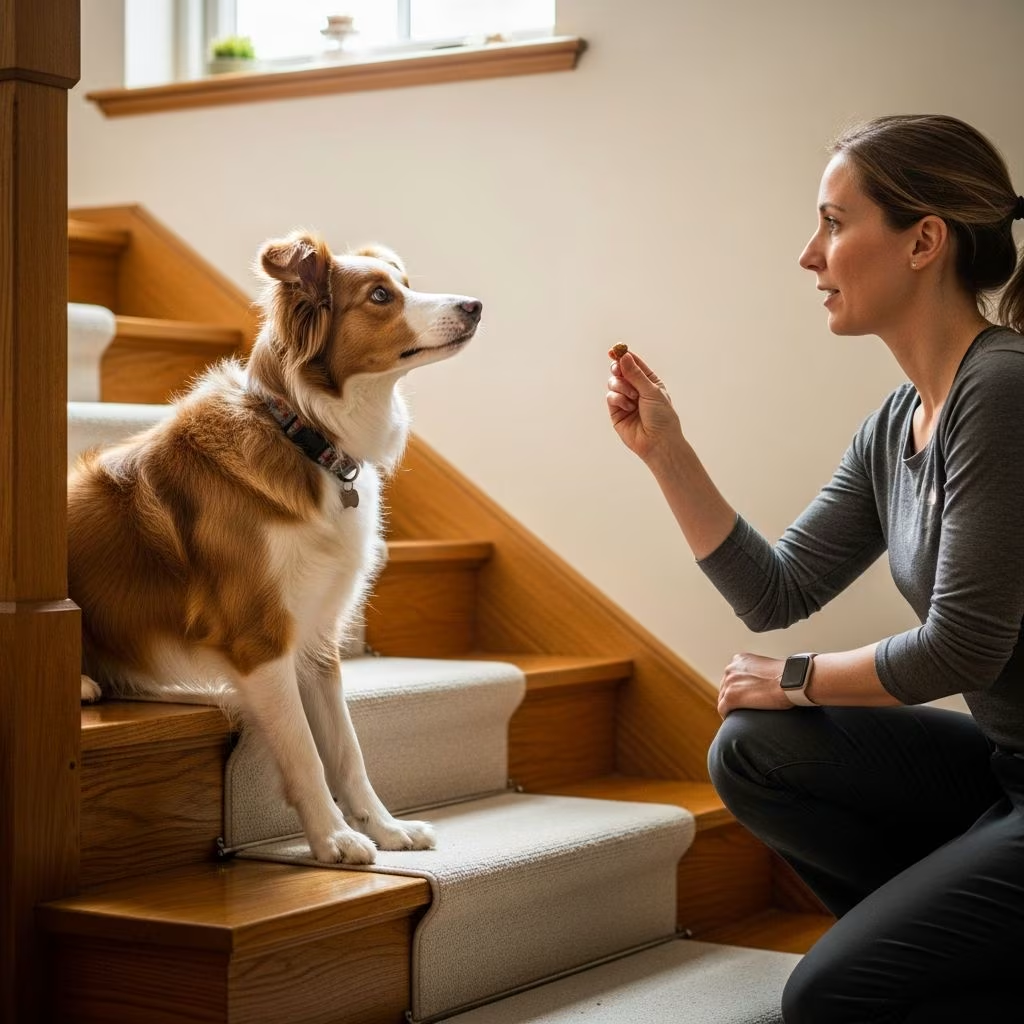
Teaching your dog to navigate stairs is an important skill that contributes to their independence, safety, and overall well-being. Whether you have a multi-story home, live in a building with stairs, or simply want your dog to move comfortably throughout your living space, stair training can be accomplished with patience, proper technique, and positive reinforcement. Many dog owners assume that dogs naturally know how to use stairs, but this is not always the case. Some dogs may develop anxiety around stairs, while others lack the confidence or physical understanding of how to navigate them properly.
Understanding Why Stair Training Matters
Stairs present unique physical and psychological challenges for dogs. Puppies, senior dogs, and small breeds often find stairs particularly intimidating due to their size relative to step dimensions, their physical development, or age-related mobility issues. Beyond physical limitations, many dogs experience psychological barriers when encountering stairs for the first time. They may not understand the mechanics of climbing or descending, leading to hesitation or fear responses.
Proper stair training serves multiple purposes in your dog’s life. It allows them to access different areas of your home independently, promotes physical fitness when done appropriately, and builds their confidence in navigating their environment. Additionally, a dog that can safely navigate stairs is less likely to be injured attempting to jump or fall while trying to avoid them.
Pre-Training Evaluation and Environment Assessment
Before beginning any stair training program, evaluate both your dog and your staircase carefully. Consider your dog’s age, physical condition, breed, and any existing health concerns. Puppies and senior dogs require shorter training sessions and more careful progression, as climbing stairs repeatedly can strain developing or aging joints. Small breed dogs may struggle with step heights that seem proportionally larger to them compared to medium or large breed dogs.
Examine your stairs thoroughly for safety hazards. Stairs should be:
- Wide enough to accommodate your dog safely without slipping or feeling confined
- Free of sharp edges or protruding objects that could injure paws
- Well-lit to help your dog see each step clearly
- Equipped with railings or barriers on both sides for security
- Not excessively steep, which can make climbing difficult and potentially dangerous
Avoid training on stairs that are particularly steep, narrow, or unsafe, such as basement or attic stairs. These stairs present unnecessary risks during the learning process.
Creating an Optimal Training Surface
The surface of your stairs significantly impacts your dog’s ability to navigate them safely and with confidence. Slippery stairs pose a serious hazard, as your dog’s paws can slide, causing falls or injuries. Carpeted stairs are ideal for training purposes because they provide traction and prevent slipping. If your stairs are not carpeted, consider adding stair runners temporarily during the training period. You can remove them once your dog has developed competence and confidence.
Lighting is another critical environmental factor. Dark or poorly lit stairs create anxiety and make it difficult for your dog to see each step clearly. Ensure adequate lighting before beginning your training sessions. Additionally, consider adding cushions or pillows on both sides of the stairs as a safety measure during initial training. These provide a soft landing area if your dog slips, reducing injury risk while they’re learning.
Session Structure and Time Management
Dogs learning stair navigation benefit tremendously from consistent, short training sessions rather than extended practice periods. Research and professional trainers recommend keeping sessions to approximately five minutes or less per day. This timeframe prevents physical strain on joints and muscles, particularly important for puppies and senior dogs whose bodies are still developing or aging.
Schedule training sessions during quiet times when other household members aren’t using the stairs. This eliminates distractions and creates a calm learning environment that helps your dog focus. Many dogs can master basic stair navigation within a few training sessions, though fearful or young puppies may require additional time and patience.
Foundational Training Approach: The Building Block Method
The most effective approach to teaching dogs stair navigation involves breaking the task into manageable components. Rather than expecting your dog to navigate an entire flight of stairs immediately, focus on individual steps or small groups of steps. This method reduces overwhelm and builds confidence progressively.
Begin by introducing your dog to a single step or the landing at the staircase base. Allow your dog to investigate at their own pace, sniffing and examining the stairs without pressure. Reward this exploration with treats and verbal praise, establishing a positive association with the staircase itself before any climbing attempts.
For dogs showing reluctance or fear, sit near the bottom of the stairs and call them to you. When they approach, provide high-value treats and enthusiastic praise. Repeat this until your dog easily approaches you without hesitation. This technique builds confidence gradually while maintaining positive associations with the staircase environment.
Introducing Upward Movement with Food Lures
Once your dog is comfortable approaching the stairs, begin encouraging upward movement using food lures and treats. Place treats on individual steps to motivate your dog to climb. Start with the lowest step, using a high-value treat to entice your dog to place their front paws on the first step. When they do, reward immediately with the treat and verbal praise.
The key to this technique is using incremental progressions. Your dog might only place their front paws on the first step before backing down on their first attempts. This is normal and should be rewarded. Gradually increase expectations as your dog becomes more comfortable, moving from front paw placement to climbing multiple steps.
Some dogs may need additional motivation beyond food treats. If your dog is not food-motivated, use their favorite toy, play sessions, or verbal praise as rewards. The reward system should match what genuinely motivates your individual dog, as this ensures maximum engagement during training.
Managing Directional Transitions on Stairs
Many dogs face an unexpected challenge during stair training: they don’t initially understand how to turn around or back down stairs after climbing. Dogs that have climbed several steps may become confused about how to return to their starting point, leading to panic or refusal to move. Address this by teaching your dog the mechanical aspects of reversing direction on stairs.
Use food lures to encourage your dog to back down or turn around when they’ve progressed a few steps. Demonstrate the movement you want by luring them with treats to show the backward motion. Practice this specific skill separately, so your dog develops confidence in changing direction on stairs. This prevents frustration and builds comprehensive stair competence.
Progressing to Downward Navigation
Once your dog confidently navigates upward, introduce descending using the same methodical approach. Position your dog on a piece of furniture (such as a bed or couch) near the stairs, placing treats on the stairs to encourage downward movement. Start with just one or two steps, rewarding each successful descent. Gradually increase the number of stairs as your dog’s confidence builds.
Descending can be more challenging for some dogs than ascending because they cannot see ahead as clearly. Maintain closer supervision during downward training and continue using treats to encourage slow, controlled movement. When your dog reaches the bottom, provide enthusiastic praise and an engaging reward to create positive associations.
Training Considerations for Different Dog Types
Different dogs may require modified approaches based on their age, size, and temperament. Small breed dogs benefit from starting with pet-sized stairs rather than standard household stairs, allowing them to practice with proportionally appropriate step sizes before graduating to full-size stairs. Their training may take longer due to physical limitations, but the foundational techniques remain the same.
Puppies require careful management because climbing stairs repeatedly can strain developing joints and bones. Keep training sessions very short and avoid encouraging excessive stair use beyond training sessions until puppies are fully physically mature. Senior dogs also need modified approaches, with extra consideration for joint health and arthritis. These dogs benefit from slower progression and potentially gentler surfaces like carpeted stairs.
Fearful or rescue dogs may need extended confidence-building phases. Begin with standing near the stairs before attempting any climbing, and let your dog control the pace of advancement. Some dogs may require several sessions of simple proximity and exploration before being ready to climb.
Physical Benefits and Exercise Considerations
While primarily used as a navigation training tool, stairs can also serve as legitimate physical exercise when used appropriately. Stair climbing engages multiple muscle groups, particularly hind leg muscles, making it an effective strengthening exercise. However, this benefit should only be pursued after your dog is already confident and consistently navigating stairs safely.
When incorporating stairs into your dog’s exercise routine, use a short, controlled leash and move slowly. The slower the pace of climbing, the more effective the exercise and the safer the activity. Never use stair climbing as exercise for puppies, dogs recovering from surgery or injury, or senior dogs with mobility issues. Stick to training purposes only for these populations.
Advanced Training: Teaching Stair Etiquette
Once your dog has mastered navigation, you can introduce etiquette training around stairs. Some owners prefer teaching their dogs to wait at the top or bottom of stairs until given permission to proceed. This prevents accidents caused by dogs rushing up or down stairs unexpectedly and adds an additional layer of household safety.
Teach this behavior by rewarding your dog for pausing at the staircase threshold before allowing them to proceed. Use verbal cues such as “wait” or “up” paired with hand signals, reinforcing these behaviors consistently until your dog understands the protocol.
Common Challenges and Solutions
| Challenge | Potential Solution |
|---|---|
| Dog refuses to climb despite treats | Take a break, use higher-value treats, reduce expectations to smaller steps, or consult a professional trainer |
| Dog becomes trapped or panicked on stairs | Use food lures to encourage movement down, practice direction changes, ensure stairs are well-lit |
| Dog attempts to jump or leap between steps | Use consistent food luring to control pace, praise slow movements, maintain leash control if needed |
| Training progress plateaus | Vary training location, change reward types, shorten session duration, or work with a professional trainer |
Troubleshooting Persistent Fear or Resistance
Some dogs develop significant anxiety around stairs that resists standard training approaches. If your dog consistently refuses to engage despite your best efforts, consider consulting a professional dog trainer or veterinary behaviorist. Severe stair anxiety may indicate deeper issues such as joint pain, past trauma, or a temperament that requires specialized intervention.
Professional trainers can assess your specific situation, identify underlying barriers, and develop customized training plans. They may suggest desensitization techniques, medication (in consultation with your veterinarian), or alternative solutions to meet your household’s needs.
Maintenance and Ongoing Safety
After your dog has successfully learned stair navigation, continue monitoring their stair use regularly. Ensure adequate lighting remains in place, stairs stay free of obstacles, and any added safety equipment like runners or cushions stays in good condition. Regularly practice going up and down stairs to maintain your dog’s skills and confidence.
As your dog ages, be prepared to adjust their stair use. Senior dogs may need to limit stair climbing to prevent joint strain or may require mobility aids like ramps or pet stairs for certain areas of your home. Stay attentive to signs of pain, hesitation, or difficulty that might indicate your dog’s physical capabilities have changed.
Frequently Asked Questions
How long does it typically take to train a dog to use stairs?
Most healthy adult dogs learn basic stair navigation within a few training sessions, though the exact timeframe varies. Puppies and fearful dogs may require several weeks of consistent practice. Consistent daily training sessions of five minutes or less typically yield results within two to four weeks for most dogs.
Can all dogs learn to navigate stairs safely?
Most dogs can learn stair navigation with appropriate training methods. However, dogs with certain physical conditions, severe anxiety, or neurological issues may face limitations. A veterinary evaluation can determine whether stairs are appropriate for your specific dog.
Is it safe to use stair climbing as exercise?
Stair climbing can be legitimate exercise for healthy adult dogs, but only after they’re already confident navigators. This should never be the primary exercise method and should be avoided for puppies, seniors, and dogs with joint issues. Always consult your veterinarian before incorporating any new exercise activity.
What if my dog is too small for standard stairs?
Pet-sized stairs available from pet supply retailers can help small breed dogs practice with proportionally appropriate step sizes. These can serve as intermediary training tools before graduating to household stairs, though not all small dogs will ever be comfortable with full-size stairs.
Conclusion: Building Confidence Through Patient Training
Teaching your dog to navigate stairs is an achievable goal with the right approach, patience, and consistency. By breaking the skill into manageable components, using appropriate motivation, and maintaining short, focused training sessions, most dogs can develop competence and confidence on stairs. Remember that each dog progresses at their own pace—what matters is steady progress rather than speed. Celebrate small victories, maintain positive associations with the staircase, and adjust your methods to suit your dog’s individual learning style and needs.
References
- Training for dogs afraid of stairs — Dogkind Training. Accessed 2026. https://www.dogkindtraining.com/blog/stairs-training
- Teach Your Dog to Go Up and Down Stairs — Healthy Paws Pet Insurance. https://www.healthypawspetinsurance.com/blog/dog-care/teach-dog-to-go-up-and-down-stairs.html
- How To Teach A Dog To Use Pet Stairs: Step-by-Step Instructions — Chewtorials by Chewy. https://www.youtube.com/watch?v=FhSbF53W9CQ
- Dog Exercise-Stairs — TopDog Health. http://www.topdoghealth.com
- How to Safely Teach your Pup to Navigate: Stairs — McCann Dogs. https://www.mccanndogs.com/blogs/articles/how-to-safely-teach-your-pup-to-navigate-stairs
- Training a Little Rescue Dog How To Use Doggy Stairs — Doggone Problems. https://www.doggoneproblems.com/gus-stairs/



