Complete Guide to Raising Healthy Pet Rats and Mice
Essential care requirements, housing, diet, and health tips for pet rodents
Understanding Your Rodent Companions
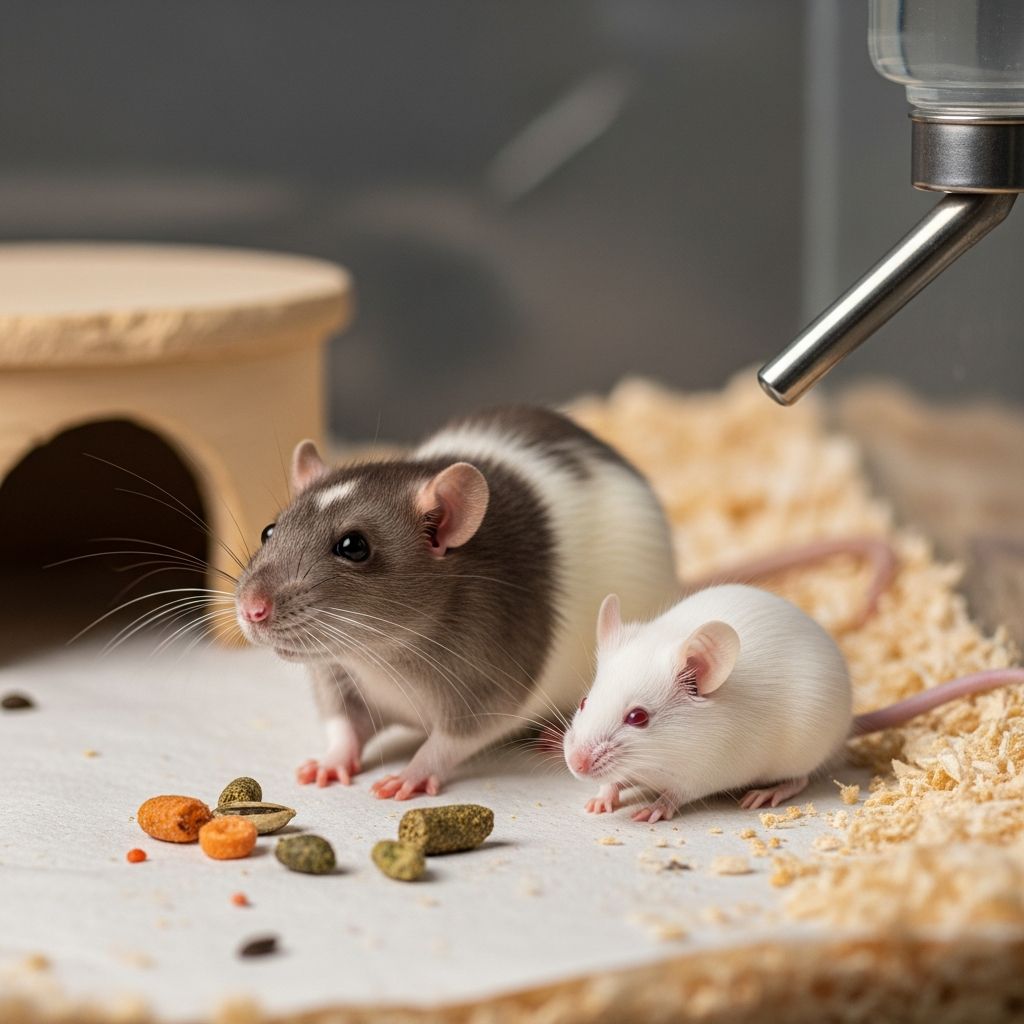
Rats and mice have become increasingly popular pet choices for individuals and families seeking small, manageable animal companions. Unlike larger pets such as dogs and cats, these intelligent rodents require considerably less space while still offering meaningful interaction and companionship. They are clean, quiet animals that can be trained to respond to their names and enjoy human interaction when properly socialized from a young age. The appeal of rodent ownership extends to their affordability—both the animals themselves and their care supplies are inexpensive compared to traditional pets—making them accessible to a wide range of households.
Pet mice typically live between one to three years, while rats generally live two to three years, with some individuals reaching five years of age. This moderate lifespan allows for meaningful relationships with your pets while requiring less long-term commitment than dogs or cats. Understanding these creatures’ natural behaviors and biological needs is fundamental to providing appropriate care and ensuring their wellbeing throughout their lives.
Housing Requirements and Environmental Setup
Creating an appropriate living space is one of the most critical aspects of rodent care. Both rats and mice are escape artists capable of squeezing through surprisingly small openings, so housing must be constructed from solid, durable materials with secure closures. Wire or plastic cages specifically designed for rodents are preferable to glass aquariums, as they provide superior ventilation—a crucial factor in maintaining respiratory health. The cage floor should be solid rather than wire, which can cause foot injuries and discomfort.
Size considerations are important for your pets’ physical and psychological well-being. Larger enclosures allow for greater movement, exploration, and natural behaviors. The cage should include a solid bottom with appropriate substrate material for burrowing and nesting instincts. Paper-based bedding and shredded paper are excellent choices, while cedar and pine shavings must be avoided due to their toxic aromatic oils that can damage respiratory systems.
Temperature and Lighting Control
Rodents thrive in environments maintained between 65 to 80 degrees Fahrenheit, mirroring typical human room temperatures. Temperature fluctuations should be minimized, as they cause stress and can trigger illness. Additionally, rodents are naturally nocturnal creatures, so providing approximately 12 hours of light daily supports their circadian rhythms and overall behavioral health. Enclosures should be placed in quiet, draft-free locations away from direct sunlight, heating vents, and air conditioning units.
Cleaning and Hygiene Practices
Maintaining a clean living environment is essential for preventing respiratory infections and other health complications. Bedding should be changed completely every three to five days, with spot cleaning of soiled areas performed daily. The entire cage and all accessories should be thoroughly cleaned and disinfected weekly using pet-safe products. Food dishes require daily cleaning, while water bottles should be rinsed at each refill and disinfected monthly. Regular cleaning prevents the accumulation of ammonia fumes from urine, which can irritate airways and compromise immune function.
Environmental Enrichment and Mental Stimulation
Rodents are intelligent creatures requiring regular mental and physical stimulation to prevent boredom and related behavioral problems. Environmental enrichment involves providing a variety of toys that should be rotated or replaced regularly to maintain novelty and interest. Climbing structures, tunnels, hammocks, and exercise wheels encourage physical activity and satisfy natural instincts. Hideaways constructed from wood, plastic, or cardboard provide secure spaces where your pets can retreat when stressed.
Chewing toys serve a dual purpose: they provide entertainment while helping to manage tooth growth. Since rodent teeth grow continuously throughout their lives, access to appropriate chewing materials is not optional but necessary for oral health. Wooden sticks, mineral chews, and untreated wood blocks allow natural wearing of incisors, preventing overgrowth that can cause serious injuries and feeding difficulties.
Nutritional Requirements and Feeding Strategies
A balanced diet forms the foundation of rodent health and longevity. Commercial pelleted foods formulated specifically for rats or mice should constitute the primary component of their diet. These laboratory blocks provide complete and balanced nutrition without the selective feeding problem that can occur with mixed-seed diets. Selective feeding occurs when animals consume only their preferred seeds, leaving behind essential nutrients and creating deficiencies.
Supplementing with Fresh Foods
While commercial pellets form the dietary base, fresh fruits and vegetables can be offered in moderation to provide variety and additional nutrients. However, seeds and nuts should be limited in quantity, particularly for rats, as they are calorie-dense and can contribute to obesity. Fresh water must be available at all times, preferably through sipper bottles with ball tips that prevent contamination and spillage. Uneaten fresh food should be removed within 24 hours to prevent spoilage and bacterial growth.
Feeding Schedule and Portion Control
Mice are grazers that benefit from having their daily pellet allocation available in the bowl throughout the day, allowing them to eat according to their natural feeding patterns. All food and water containers should be monitored and cleaned regularly. Following the feeding instructions on commercial food packages ensures appropriate portion sizes that meet nutritional needs without promoting excessive weight gain.
Social Structures and Compatibility
In nature, rats and mice live in social communities and benefit from companionship. Keeping pairs or small groups of same-sex animals provides important social interaction and reduces stress related to isolation. Female pairs are generally the most compatible option for housing multiple rats together. For mice, female groups work well, though male mice are typically more aggressive toward one another and should be housed individually or with established siblings if they were raised together from youth.
Housing males and females together should be avoided unless intentional breeding is desired, as both species can produce multiple litters annually. Spaying and neutering are options for rats to prevent unwanted breeding and associated health issues, though these procedures carry anesthesia risks for the extremely small mouse species and are generally not recommended.
Cross-Species Housing Considerations
Rats and mice cannot be housed together despite their similarities. Mice are prey animals that become easily frightened by the larger, more dominant rats. Additionally, introducing new animals to an established colony carries risks of fighting and aggressive behavior. Any new additions should be quarantined separately and introduced gradually, if at all, depending on the temperaments of existing inhabitants.
Handling and Socialization Techniques
Proper handling begins with establishing trust through patient, gentle interaction. Rats can develop strong bonds with human caregivers when offered treats from the hand while being spoken to in soft, reassuring tones. A rat should be grasped gently from behind with your hand wrapped around the body without squeezing, while your other hand supports its weight. Never lift a rat by its tail, as this causes stress and potential injury.
Mice are more delicate and timid than rats, requiring even gentler handling approaches. They can be cupped in your hands or scooped up from underneath their bodies. Early socialization during youth produces animals more comfortable with human contact, though mice generally tolerate rather than love being held. Starting with brief handling sessions and offering treats helps build positive associations.
Supervised Play and Out-of-Cage Time
Rats benefit from regular supervised floor time where they can explore a contained area such as a bed, couch, or enclosed room. Socialized rats often venture out to explore but return to their caretaker’s lap when startled, viewing it as a safe haven. This interaction strengthens the human-animal bond and provides valuable environmental enrichment.
Mice should not be allowed on open floors, as they become easily frightened and will attempt to flee to hiding places where they may become stuck or injured. Confining their play space to a secure, elevated area like a couch reduces escape risks and stress.
Health Monitoring and Veterinary Care
Daily observation of your rodents’ behavior, appetite, and physical condition allows early detection of health problems. Any deviation from normal activity patterns may indicate illness requiring veterinary attention. While smaller than traditional pets, rats and mice can develop various health conditions including respiratory infections, tumors, and dental problems. Finding a veterinarian experienced with exotic small animals is crucial, as general practitioners may lack specialized knowledge of rodent medicine.
Spaying and neutering can be performed on rats to prevent reproductive cancers and behavioral issues, though these procedures carry surgical risks. Tooth overgrowth, respiratory infections, and tumors are common health concerns in aging rodents.
Frequently Asked Questions
What is the difference between keeping rats versus mice as pets?
Rats are generally larger, more intelligent, and develop stronger bonds with humans than mice. They tolerate handling better and live slightly longer. Mice are smaller, require less space, and are quieter, making them suitable for apartments. Both have similar care requirements regarding housing, temperature, and diet.
Can rats and mice be kept together?
No, rats and mice should never be housed together. Rats are predatory and will dominate mice, creating a stressful environment for the smaller animals. Each species should maintain separate housing.
How often should I clean the cage?
Spot cleaning of soiled bedding and food debris should occur daily. Complete bedding changes happen every three to five days, with full cage and accessory disinfection performed weekly to maintain hygiene and prevent ammonia buildup.
Are pet rodents expensive to maintain?
Pet rodents are among the most affordable pets to maintain. Initial setup costs for appropriate housing and supplies are minimal, and ongoing expenses for food, bedding, and basic care remain low compared to traditional pets.
Do rodents require veterinary care?
Yes, rodents benefit from preventive veterinary care and require professional attention when illness or injury occurs. Finding a veterinarian experienced with exotic small animals ensures appropriate diagnosis and treatment.
References
- Keeping Rats and Mice as Pets — Patton Veterinary Hospital. https://pattonvethospital.com/blog/1240762-keeping-rats-and-mice-as-pets
- Caring for Mice and Rats – Care Sheet — Pet Advocacy Network. https://petadvocacy.org/wp-content/uploads/2022/01/Mice-and-Rats-Care-Sheet.pdf
- Pet Rats & Mice – General Care — AFRMA (American Fancy Rat and Mouse Association). https://www.afrma.org/caresheet.htm
- Pet Mice 101: A Beginner’s Guide To Keeping a Mouse as a Pet — Chewy. https://www.chewy.com/education/small-pet/rat-and-mouse/pet-mice
- Pet Mouse Care Sheet: Habitat, Diet, and Behavior — PetMD. https://www.petmd.com/exotic/mouse-care-sheet
- Caring for your Rat — Oxbow Animal Health. February 2024. https://oxbowanimalhealth.com/wp-content/uploads/2024/03/Rat-Care-Guide-Feb-2024.pdf
Similar Articles








Read full bio of medha deb