

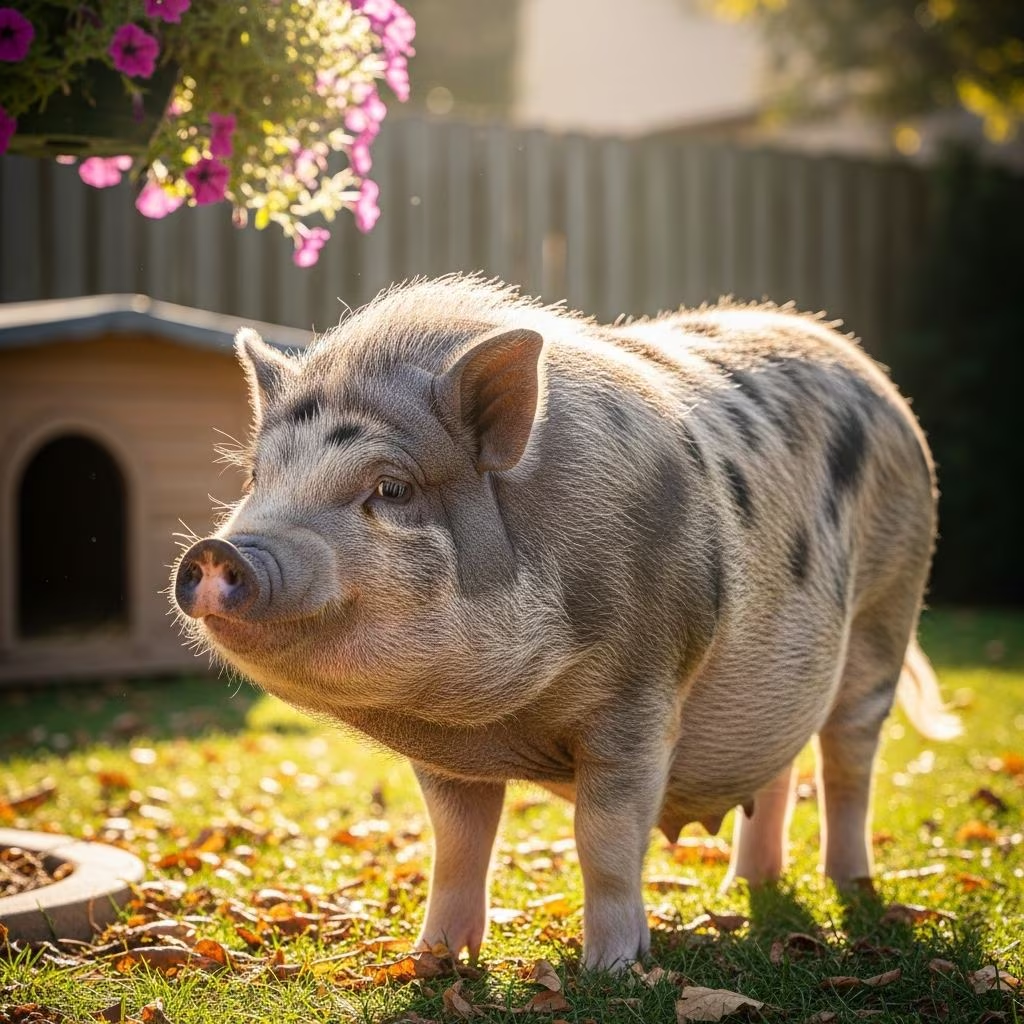
Guide to Potbellied Pigs as Pets
Potbellied pigs have become increasingly popular as household pets, captivating owners with their intelligence, affectionate nature, and unique personalities. However, before committing to pig ownership, potential owners must understand the substantial responsibilities and specific care requirements these remarkable animals demand. This comprehensive guide explores the essential considerations, housing needs, dietary requirements, health management, training techniques, and behavioral understanding necessary for successful potbellied pig ownership.
Important Considerations Before Getting a Potbellied Pig
Bringing a potbellied pig into your home is a significant long-term commitment that extends far beyond initial enthusiasm. Prospective pig owners must carefully evaluate several critical factors before making this life-altering decision.
First and foremost, consider the longevity of the commitment. Potbellied pigs can live between 15 to 20 years, requiring consistent care and attention throughout their entire lifespan. This extended timeframe means you must be prepared for daily responsibilities over decades.
Second, understand that pigs, while generally mild-mannered, do produce a mild odor that many owners find manageable with proper hygiene and housing practices. Regular cleaning and appropriate bedding can minimize any unpleasant smells in your living environment.
Third, evaluate the special care costs associated with pig ownership. Veterinary care, specialized feed, housing modifications, and emergency treatments can accumulate significantly over time. Budget for unexpected health issues and routine maintenance expenses.
Fourth, investigate your local zoning regulations. Many municipalities prohibit pigs as household pets or restrict their ownership to specific areas. Contact your local zoning board to confirm that pig ownership is permitted on your property before adoption.
Finally, prepare for the reality that pigs dig extensively. Their natural foraging instinct drives them to root through soil and landscaping. Your yard will likely experience significant modification unless you implement robust management strategies and designated digging areas.
Housing and Environmental Requirements
Creating an appropriate living environment is fundamental to your pig’s health, happiness, and your own peace of mind. Potbellied pigs thrive with adequate space and proper infrastructure that accommodates their natural behaviors.
Space and Yard Requirements
Potbellied pigs require a spacious yard where they can exercise, explore, and express natural behaviors. A minimum of one-quarter acre is recommended for a single pig, with additional space for multiple animals. The yard serves not only as living space but also as an outlet for their instinctive digging and foraging behaviors.
Equally important is secure fencing that prevents escape while containing your pig’s activities within defined boundaries. Fencing should be sturdy and at least three feet high to prevent determined pigs from jumping over or pushing through barriers. Buried fencing at ground level helps prevent tunneling under the perimeter.
Shelter and Bedding
Your pigs need access to adequate shelter that protects them from extreme weather conditions, excessive heat, and cold temperatures. A three-sided shelter or small structure allows pigs to retreat from harsh elements while maintaining outdoor access.
Bedding material is crucial for comfort and health. Best Friends Animal Society recommends using high-quality timothy hay for bedding purposes. Pigs enjoy burrowing into hay, which provides warmth and comfort, especially during cooler months. They may also consume the hay, making quality selection essential. However, avoid using straw as bedding material, as it breaks down and can cause eye irritation and infections. Most other hay types are too rich nutritionally for pigs. Never use alfalfa hay, as it almost guarantees crystal formation in male pigs’ urine, leading to serious urinary complications.
Water Access
Fresh water availability is non-negotiable for your pig’s health and wellbeing. Ensure that your pigs have constant access to clean drinking water throughout the day and night. Monitor water consumption carefully, particularly in male pigs, as insufficient water intake can lead to serious health complications. Male pigs can develop urinary blockages from crystals, which may necessitate emergency surgery. If you notice very dark-colored urine or signs of straining to urinate, consider adding a small amount of juice to their water to encourage increased consumption.
Nutrition and Feeding Guidelines
Proper nutrition forms the foundation of your potbellied pig’s health, directly influencing their longevity, energy levels, and overall wellbeing. Understanding appropriate dietary components and safe food options is essential for responsible pig ownership.
Recommended Diet Composition
Potbellied pigs are omnivores, meaning they naturally consume both plant and animal matter. In wild settings, their natural diet would include roots, vegetables, nuts, seeds, berries, worms, insects, raw eggs, and other small creatures. While replicating a wild diet is impractical, owners should strive to provide varied, nutritious foods that support optimal health.
Best Friends Animal Society recommends that potbellied pigs thrive on a primarily vegetarian diet consisting largely of vegetables. Ideal meals generally combine a head of cut-up romaine lettuce with approximately one cup of varied vegetables plus specially formulated mini pig or potbellied pig pellets. The recommended amount of pellets is three-quarters to one cup twice daily, adjusted based on snack frequency and individual pig weight and age.
Safe Vegetables and Variety
Incorporating diverse vegetables ensures your pigs receive varied nutrients and prevents dietary monotony. Safe vegetables include:
- Broccoli
- Cauliflower
- Lima beans
- Green beans
- Sweet potatoes
- Corn
- Peas
- Edamame
- Peppers
- Zucchini
Limit broccoli and cauliflower consumption, as excessive amounts can cause bloating and gas. Two or three times weekly, incorporate eggs into your pig’s diet for additional nutritional variety.
Seasonal Feeding Considerations
Adapt feeding practices to seasonal conditions. During winter months, warm vegetables slightly—even allowing lettuce to reach room temperature—so pigs aren’t consuming cold food in cold weather. In hot climates during summer, feed cold lettuce and cold or slightly frozen vegetables to help pigs maintain comfortable body temperatures while eating.
Foods to Avoid
Certain foods are inappropriate or dangerous for potbellied pigs and should be strictly avoided:
- Hog or swine feed: Farm animal feed is formulated to promote maximum growth rapidly and is unsuitable for pet pigs
- Dog and cat foods: These contain excessive protein levels inappropriate for potbellied pigs
- Processed human food: Items like cereal and crackers can cause dental problems and typically contain excessive salt and sugar
- Citrus fruits: Excessive citrus consumption increases vitamin C levels, potentially causing bladder stones, especially in male potbellied pigs
Health Management and Veterinary Care
Maintaining your potbellied pig’s health requires proactive veterinary partnership, regular preventive care, and attention to potential health concerns. Establishing relationships with experienced veterinarians before problems arise is essential.
Finding an Experienced Veterinarian
Not every veterinarian works with potbellied pigs or possesses adequate pig experience. Before adopting a pig, research veterinarians in your area and select one you trust implicitly. Ask whether the veterinarian is mobile—if not, you’ll need reliable transportation methods to reach their office. Mobile veterinarians offer convenience for routine checkups and emergency situations.
Annual Checkups and Routine Care
Potbellied pigs require annual veterinary checkups similar to other household pets. During these visits, veterinarians can assess overall health, administer necessary vaccinations, and catch early signs of developing problems. Your veterinarian will recommend specific vaccinations your individual pigs require.
Regular fecal checks help identify parasites before they cause significant health issues. Pigs can pick up parasites through various environmental exposures, making preventive screening valuable.
Spaying and Neutering
Best Friends Animal Society highly recommends spaying or neutering pet pigs. Intact pigs exhibit behavioral problems comparable to unaltered dogs, including mounting, increased aggression, and territorialism. These behaviors can create household stress and conflict.
Female pigs face particularly serious health risks if left unspayed. They are at significantly elevated risk of developing ovarian and uterine cancers unless they undergo spaying procedures. The health and behavioral benefits of spaying or neutering far outweigh any hesitations about surgical procedures.
Grooming and Coat Care
Although pigs have bristles rather than fur, they require regular brushing to remove loose hair, exfoliate skin, and improve circulation. Potbellied pigs are native to humid, tropical climates, making dry, itchy skin common in temperate environments. Many pigs shed bristles in summer and regrow them in winter. Regular brushing paired with a healthy, balanced diet maintains optimal coat condition.
Tusk and Hoof Trimming
Pigs require periodic tusk and hoof trimming to maintain comfort and prevent injury. While these procedures can occur when pigs are awake, sedation significantly simplifies the process and reduces stress for both pig and caregiver. Regularly examining your pig’s feet during grooming sessions helps identify potential problems early, including pad separation from the hoof wall or infection, preventing progression to serious conditions.
Ear and Eye Cleaning
Potbellied pigs frequently require ear and eye cleaning to prevent infection and enhance comfort. Teary eyes and waxy ears are common in this breed. Establishing a positive relationship with your pigs enables cleaning these sensitive areas without excessive stress. Use soft towels or gauze pieces for cleaning, avoiding fingers or cotton swabs that could cause injury or discomfort.
Dental Care
Pigs can develop cavities, tartar, and broken teeth, necessitating professional dental care. Your veterinarian should be comfortable sedating pigs and performing regular dental cleanings. A healthy, balanced diet with minimal processed human food significantly supports dental health and prevents many common problems.
Exercise and Mental Stimulation
Physical activity and mental engagement are crucial for maintaining your pig’s physical health, preventing weight issues, and reducing destructive behaviors. Pigs are intelligent animals requiring consistent stimulation and opportunities for movement.
Daily exercise is non-negotiable for your pig’s wellbeing. Regular movement maintains healthy weight, supports cardiovascular fitness, and expends natural energy that might otherwise manifest as destructive house and yard behavior.
Mental stimulation is equally important. Food puzzles—including some designed for dogs—provide engaging challenges as pigs work to extract treats and meals. This cognitive engagement strengthens your bond while satisfying their problem-solving instincts. Training sessions where pigs learn cues like sitting provide additional mental stimulation while reinforcing positive human-pig relationships.
The combination of adequate physical exercise and mental stimulation significantly reduces weight issues and destructive behaviors, making your home environment more harmonious and your pig happier and healthier.
Training and Handling
Potbellied pigs are highly intelligent animals capable of learning and responding to training. Effective training builds on regular handling, trust-building, and positive reinforcement methods.
Regular Handling and Desensitization
Handle your pigs regularly so they become accustomed to touch and so you develop awareness of their normal condition and any unusual changes. During brushing sessions or relaxation time, deliberately touch their bellies, toes, ears, tails, eyes, and snouts to familiarize them with comprehensive handling. When pigs feel safe, they typically allow these activities without resistance.
If your pig shows signs of discomfort, employ the “approach and retreat” method, gradually building their comfort with handling through patient, non-pressured interactions. Some pigs with prior negative human experiences may require extended time to develop trust, but patience and consistency generally overcome initial hesitation.
Training Cues and Bonding
Practice training cues like teaching your pig to sit. These training sessions simultaneously provide mental stimulation, strengthen your human-pig bond, and channel your pig’s intelligence constructively. Pigs respond well to consistent, positive reinforcement-based training methods.
Behavior and Socialization
Understanding pig behavior is essential for creating a successful living relationship. Potbellied pigs are intelligent, social animals with distinct personality traits and social needs.
Potbellied pigs are highly intelligent and require companionship for optimal mental health. They can form strong bonds with humans and other pigs when properly socialized and introduced gradually. Most pigs are affectionate and enjoy interaction with trusted caregivers.
However, pigs may demonstrate dominance behaviors, particularly if they haven’t been spayed or neutered. Providing clear leadership and establishing boundaries helps manage these natural tendencies.
When introducing a second pig to an existing pig, extreme patience is necessary. Pig introductions can be notoriously “ugly,” especially if the pigs haven’t previously lived with other pigs. Start by placing pigs in side-by-side enclosures for several weeks, allowing them to become accustomed to each other before direct contact. When introducing them in person, choose a neutral area unfamiliar to both animals.
Some pigs have experienced neglect or abuse and initially distrust humans. These pigs typically warm to people over time, but patience and understanding are essential. Pressuring an untrusting pig into interaction causes emotional retreat. Instead, provide nurturing, understanding care while allowing the pig to develop confidence and trust at their own pace.
Preparing Your Pig for Veterinary Visits
Before actual veterinary emergencies arise, familiarize your pig with kennels and vehicles. Place treats in a kennel with the door open, allowing your pig to enter and exit freely. This positive association reduces stress during necessary veterinary transport. Place a rubber-backed mat or rug on the kennel bottom for traction, and include a blanket inside to help your pig feel secure during travel.
Frequently Asked Questions About Potbellied Pigs as Pets
Q: How long do potbellied pigs live?
A: Potbellied pigs typically live between 15 to 20 years, making them a long-term commitment comparable to dogs or cats.
Q: How much space do potbellied pigs need?
A: A minimum of one-quarter acre yard is recommended for a single pig, with additional space for multiple animals. They need room to exercise, forage, and dig.
Q: What should I feed my potbellied pig?
A: Feed a primarily vegetarian diet consisting of romaine lettuce, varied vegetables, and specialized mini pig pellets. Aim for three-quarters to one cup of pellets twice daily, plus fresh vegetables and lettuce.
Q: Why is spaying or neutering important?
A: Spaying and neutering prevent behavioral problems like aggression and mounting, and eliminate the serious health risks of ovarian and uterine cancers in female pigs.
Q: Can potbellied pigs be trained?
A: Yes, potbellied pigs are highly intelligent and can learn various commands and cues through consistent, positive reinforcement-based training methods.
Q: How often should I take my pig to the veterinarian?
A: Annual veterinary checkups are essential for vaccinations, parasite screening, and overall health assessment. Select a veterinarian with pig experience before adoption.
Q: Can I keep multiple potbellied pigs together?
A: Yes, but introductions must be done carefully and gradually. Start with pigs in side-by-side enclosures for several weeks before allowing direct contact in neutral areas.
Q: What causes urinary blockages in male pigs?
A: Crystal formation in urine, often triggered by alfalfa hay or insufficient water intake, can cause blockages requiring emergency surgery. Ensure adequate water access and avoid alfalfa hay.
References
- A Guide to Potbellied Pigs as Pets — Best Friends Animal Society. 2024. https://bestfriends.org/pet-care-resources/guide-potbellied-pigs-pets
- Pet Potbellied Pigs: Health and Diseases — Best Friends Animal Society. 2024. https://bestfriends.org/pet-care-resources/pet-potbellied-pigs-health-and-diseases
- What to Feed a Potbellied Pig — Best Friends Animal Society. 2024. https://bestfriends.org/pet-care-resources/what-feed-potbellied-pig
- Pet Potbellied Pigs Behavior and Socialization — Best Friends Animal Society. 2024. https://bestfriends.org/pet-care-resources/pet-potbellied-pigs-behavior-and-socialization



