

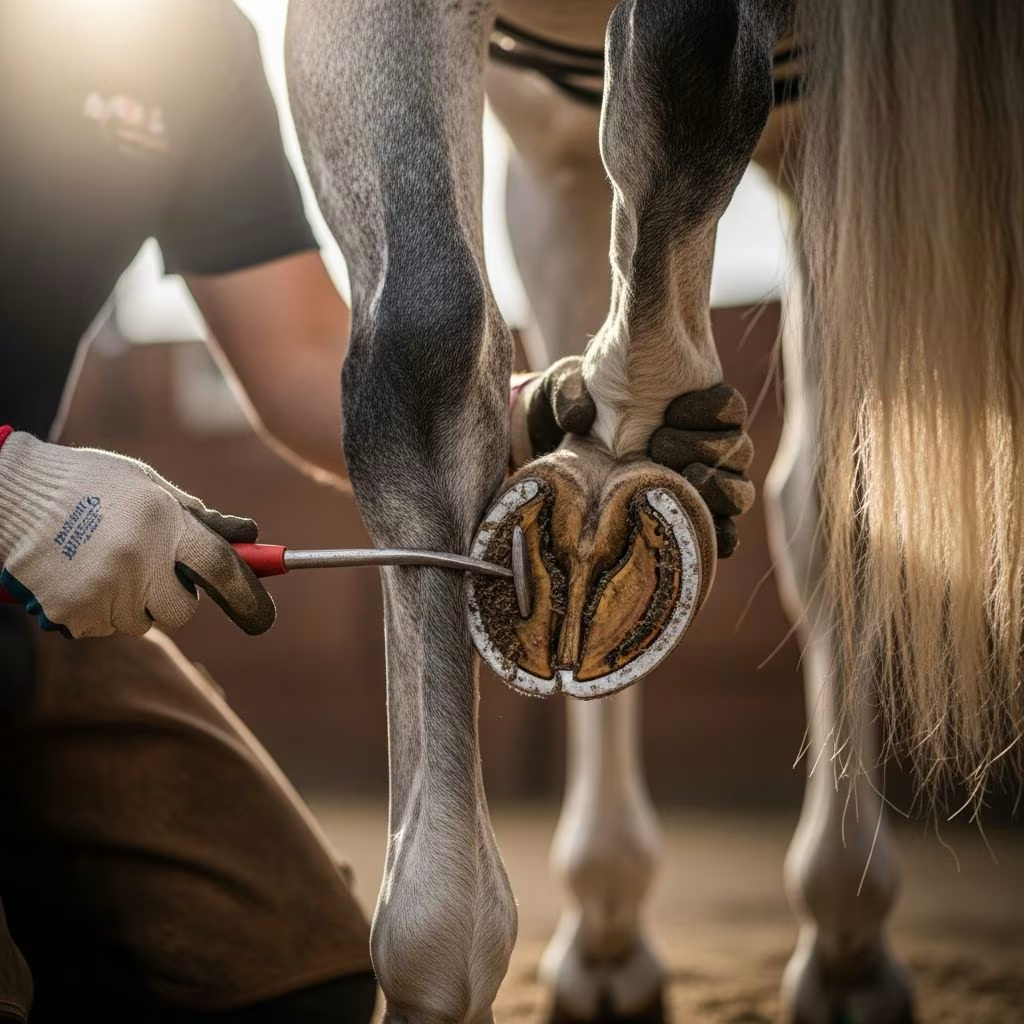
A Guide to Horse Hoof Care
Horse hoof care is one of the most critical aspects of equine management, yet it is frequently overlooked by horse owners. The health of a horse’s hooves directly impacts its overall well-being, soundness, and ability to perform. From casual riding to competitive athletics, proper hoof care forms the foundation of a healthy, comfortable horse. Understanding the fundamentals of hoof care—including daily maintenance, regular trimming, and appropriate shoeing—is essential for every horse owner.
Neglecting hoof care can lead to a cascade of problems, including lameness, infections, and chronic pain. Conversely, establishing a consistent hoof care routine with a qualified farrier can prevent many common equine foot problems and extend your horse’s working life significantly. This guide provides comprehensive information about maintaining your horse’s hooves in optimal condition.
Understanding Hoof Structure and Function
Before diving into care practices, it is important to understand basic hoof anatomy and how hooves function. The equine hoof is a complex structure consisting of the hoof wall, sole, frog, and bars. The hoof wall bears most of the horse’s weight and provides protection for the sensitive internal structures. The sole is the ground-bearing surface that helps support weight and provides traction. The frog, located in the center of the sole, acts as a shock absorber and promotes circulation. The bars are structures that help support and stabilize the heel.
A healthy hoof maintains proper balance and alignment with the leg above it. The relationship between the hoof angle and pastern angle is crucial for soundness and performance. When hooves become unbalanced or misaligned, stress is placed on the tendons, ligaments, and joints, leading to lameness and other complications.
Daily Hoof Care and Maintenance
Daily hoof care is the foundation of a comprehensive hoof management program. Consistent daily attention prevents problems from developing and allows early detection of issues before they become serious.
Picking Out Hooves
The most essential daily hoof care task is picking out your horse’s hooves at least once daily, and ideally twice daily if the horse is stabled. Using a hoof pick, gently remove any accumulated dirt, rocks, manure, and debris from the bottom of the hoof. Pay special attention to the area around the frog, where dirt and moisture can accumulate and create an ideal environment for fungal and bacterial infections.
While picking out hooves, take time to inspect for any signs of problems including cracks, splits, bruising, or discharge. Early detection of conditions such as thrush—a common fungal infection of the frog—allows for prompt treatment before the condition advances. Regular cleaning also reduces the likelihood of stones becoming lodged in the hoof, which can cause bruising and lameness.
Environmental Management
Maintaining a clean, dry environment is crucial for hoof health. Prolonged exposure to wet or muddy conditions can soften the hoof wall and create conditions favorable for infections. Horses should always have access to clean, dry footing, whether stabled or turned out in pasture. For stabled horses, regular mucking out of stalls is essential. For pastured horses, providing a hard standing area or grass mats ensures that horses are not forced to stand in mud or wet ground for extended periods.
Environmental moisture also affects hoof texture and expansion. The hoof wall naturally expands in wet conditions and contracts when dry. Extreme fluctuations between wet and dry conditions can cause stress on the hoof wall and lead to cracks. Using topical hoof dressings year-round helps promote even moisture content and protects against seasonal fluctuations.
Regular Trimming Schedule
Regular trimming is essential for maintaining hoof health and balance. The frequency of trimming depends on several factors, including the horse’s age, activity level, hoof growth rate, and individual needs.
Trimming Frequency
For unshod horses with light or no use, hooves should typically be trimmed every 10 to 12 weeks. However, this timeline should be adjusted based on the individual horse’s hoof growth rate and condition. Some horses may require more frequent attention. For newly trimmed hooves, rasping minor flares every two weeks between farrier visits can help maintain proper hoof shape and quality.
Show horses or those in heavy use may require more frequent trimming to maintain optimal hoof balance and performance. Conversely, some horses with slower hoof growth may do well with longer intervals between trims. Working closely with a qualified farrier allows you to develop a trimming schedule tailored to your specific horse’s needs.
Key Principles of Proper Trimming
Balance is the fundamental principle of proper hoof trimming. A balanced hoof should have equal medial and lateral size and shape, with proper anterior and posterior balance. The ground-bearing surface should be flat, with the hoof wall slightly higher than the sole. The bars should gradually taper upward from the sole to the heel.
Proper toe and heel length is crucial for maintaining correct hoof angles and alignment with the pastern and shoulder. Most horses require more toe trimming than heel trimming, though some horses grow more heel and require heel reduction to maintain proper angles. The coronary band should be level with the ground, and any flaring of the hoof wall should be trimmed to show equal, straight slopes on both sides.
A properly trimmed hoof also features a hairline or coronary band that is level with the ground and symmetric flares eliminated from the medial and lateral sides. New foals should have their toe squared at a few weeks of age to encourage proper hoof development.
Shoeing Your Horse
While not all horses require shoes, many benefit from them, particularly those performing athletic work or living in challenging environments. Proper shoeing requires the same attention to balance and alignment as trimming, with the additional consideration of appropriate shoe design and materials.
Shoeing Frequency
The general guideline for shoeing (trimming and resetting shoes) is every 6 to 8 weeks. This interval may vary depending on the horse’s age, growth rate, and work level. Show horses or those in heavy work may require more frequent resets to maintain optimal hoof condition and performance.
It is important to note that the hoof growth cycle is independent of the shoeing cycle. If a horse is shod too infrequently, the excess hoof growth can break and crack. Conversely, if shoes are reset too frequently, unnecessary material is removed from the hoof, which can weaken the hoof wall over time.
Proper Shoe Fitting
Correct shoeing begins with proper trimming. The hoof must be balanced and correctly shaped before a shoe is selected and applied. A common mistake is fitting the hoof to a pre-formed shoe rather than shaping and fitting the shoe to the trimmed hoof. Shoes should extend around the circumference of the hoof wall long enough to cover the heels but not so long that they can be stepped on or pulled off.
The shoe should be appropriately sized in both width and length for the horse’s size and primary use. Different activities and terrain may require different shoe types. For example, horses working on hard surfaces may benefit from shoes with more protection, while horses on soft ground might use lighter shoes. Your farrier can recommend appropriate shoe types based on your horse’s individual needs and work demands.
Nutrition and Exercise
Hoof health extends beyond external care and includes proper nutrition and exercise. Well-fed and well-exercised horses tend to have healthier hooves than those confined to stalls with minimal activity. Exercise promotes circulation throughout the hooves and helps maintain the natural wear patterns that contribute to hoof health.
Adequate nutrition is fundamental to hoof quality. Horses should receive balanced feed containing appropriate levels of protein, vitamins, and minerals essential for keratin production and hoof growth. Commercial hoof supplements containing biotin, methionine, and other nutrients specifically formulated to support hoof health can be beneficial, particularly for horses with poor hoof quality or chronic hoof problems.
Horses maintained on pasture with access to movement and natural wear patterns often develop stronger, healthier hooves than those confined to stalls. If stall confinement is necessary, providing ample exercise through longing, lunging, or riding is important for maintaining overall hoof health and preventing secondary problems.
Preventing Common Hoof Problems
Understanding common hoof problems and their prevention is essential for maintaining your horse’s soundness.
Thrush
Thrush is a common fungal infection of the frog characterized by black, foul-smelling discharge. It develops in warm, moist, dark environments created by poor hygiene and prolonged exposure to wet conditions. Prevention focuses on maintaining clean, dry hooves and environment. Daily picking out and regular farrier care prevent debris accumulation. If thrush develops, treatment with commercial anti-thrush products or a 1 to 10 part mixture of bleach or Lysol and water can resolve the infection.
Hoof Cracks
Hoof cracks result from several factors including dry weather, frequent fluctuations between wet and dry conditions, extended trimming intervals with long toes, or poor inherent hoof quality. Treatment includes applying hoof moisturizers during dry periods, maintaining regular trimming schedules, and providing quality nutrition. Hoof supplements containing biotin and other nutrients specifically formulated to improve hoof quality can be beneficial for horses prone to cracking.
Bruising
Sole bruising typically results from traumatic injury such as stepping on stones, concussive impact on hard surfaces, or improper shoeing. Prevention includes maintaining proper hoof balance and angles, providing appropriate shoes for terrain conditions, and removing stones from pastures and work areas. Appropriate farrier care and potentially modifying exercise surfaces can prevent many bruising incidents.
Working with a Farrier
Establishing a strong working relationship with a qualified farrier is one of the most important investments you can make in your horse’s health. A good farrier understands equine anatomy, maintains current knowledge of farrier science and techniques, and communicates effectively about your horse’s individual needs and any concerns.
When selecting a farrier, look for someone with appropriate credentials, experience, and references from other horse owners. Schedule appointments well in advance and pay promptly for services. Providing a clean, safe, well-lighted, and comfortable work area makes the farrier’s job easier and safer.
Communicate openly with your farrier about your horse’s work demands, any lameness or performance issues, and your hoof care goals. Your farrier can recommend trimming methods, shoeing options, and supplemental treatments tailored to your horse’s specific needs.
Essential Hoof Care Practices
Implementing these practices will help maintain your horse’s hoof health:
- Pick out hooves daily, removing all dirt and debris
- Maintain clean, dry stall and pasture environments
- Schedule regular trimming every 10-12 weeks for unshod horses or shoeing every 6-8 weeks for shod horses
- Provide adequate nutrition including quality forage and balanced feed
- Ensure regular exercise and movement
- Apply hoof moisturizers during dry seasons
- Treat infections promptly with appropriate products
- Avoid extended use of hoof polishes that can seal moisture in or out
- Develop a strong partnership with a qualified farrier
- Train young horses to stand quietly for farrier work
- Monitor hooves regularly for changes or problems
Seasonal Considerations
Hoof care needs vary with the seasons. During wet seasons, focus on maintaining dry conditions and using hoof dressings to protect against moisture-related problems. In dry seasons, hoof moisturizers help prevent cracking and excessive brittleness. Winter hoof growth is typically slower than summer growth, so trimming intervals may be adjusted accordingly.
Different footing surfaces also present seasonal challenges. Snow and ice can cause slipping and require specialized shoes for traction. Spring mud creates moisture problems similar to wet weather. Adjusting your farrier schedule and management practices based on seasonal conditions helps maintain consistent hoof health throughout the year.
Frequently Asked Questions
Q: How often should I pick out my horse’s hooves?
A: You should pick out your horse’s hooves at least once daily, and ideally twice daily if the horse is stabled. This prevents accumulation of dirt and debris and allows early detection of problems.
Q: What is the difference between a trim and shoeing?
A: A trim involves removing excess hoof growth and balancing the hoof. Shoeing includes trimming followed by the application of shoes for additional protection and support. Not all horses require shoes, but all horses require regular trimming.
Q: How can I prevent thrush?
A: Prevent thrush by maintaining clean, dry hooves and environment, picking out feet daily, and ensuring regular farrier care. Avoid prolonged exposure to wet, muddy conditions.
Q: What should I do if I notice a crack in my horse’s hoof?
A: Minor cracks often resolve with regular trimming, adequate moisturizing, improved nutrition, and addressing underlying environmental factors. Severe cracks may require evaluation by a farrier or veterinarian to rule out damage to sensitive structures.
Q: Can hoof supplements improve hoof quality?
A: Yes, quality supplements containing biotin, methionine, and other nutrients specifically formulated for hoof health can improve hoof quality over time, particularly for horses with poor hooves or chronic problems.
Q: How do I know if my farrier is doing a good job?
A: A good farrier maintains your horse’s hoof balance, trims according to proper principles, communicates about your horse’s needs, and produces consistent results. Your horse should remain sound and comfortable with regular farrier care.
References
- Proper Basic Hoof Care — Utah State University Extension. Accessed 2025-11-28. https://extension.usu.edu/equine/research/proper-basic-hoof-care
- Routine hoof care — The British Horse Society. Accessed 2025-11-28. https://www.bhs.org.uk/horse-care-and-welfare/health-care-management/hoof-care/routine-hoof-care/
- Caring for your horse’s hooves — University of Minnesota Extension. Accessed 2025-11-28. https://extension.umn.edu/horse-health/caring-your-horses-hooves
- Evaluation of Equine Hoof Care — New Mexico State University. Accessed 2025-11-28. https://pubs.nmsu.edu/_b/B707/
- Care of Your Horse’s Feet — University of Missouri Extension. Accessed 2025-11-28. https://extension.missouri.edu/



