

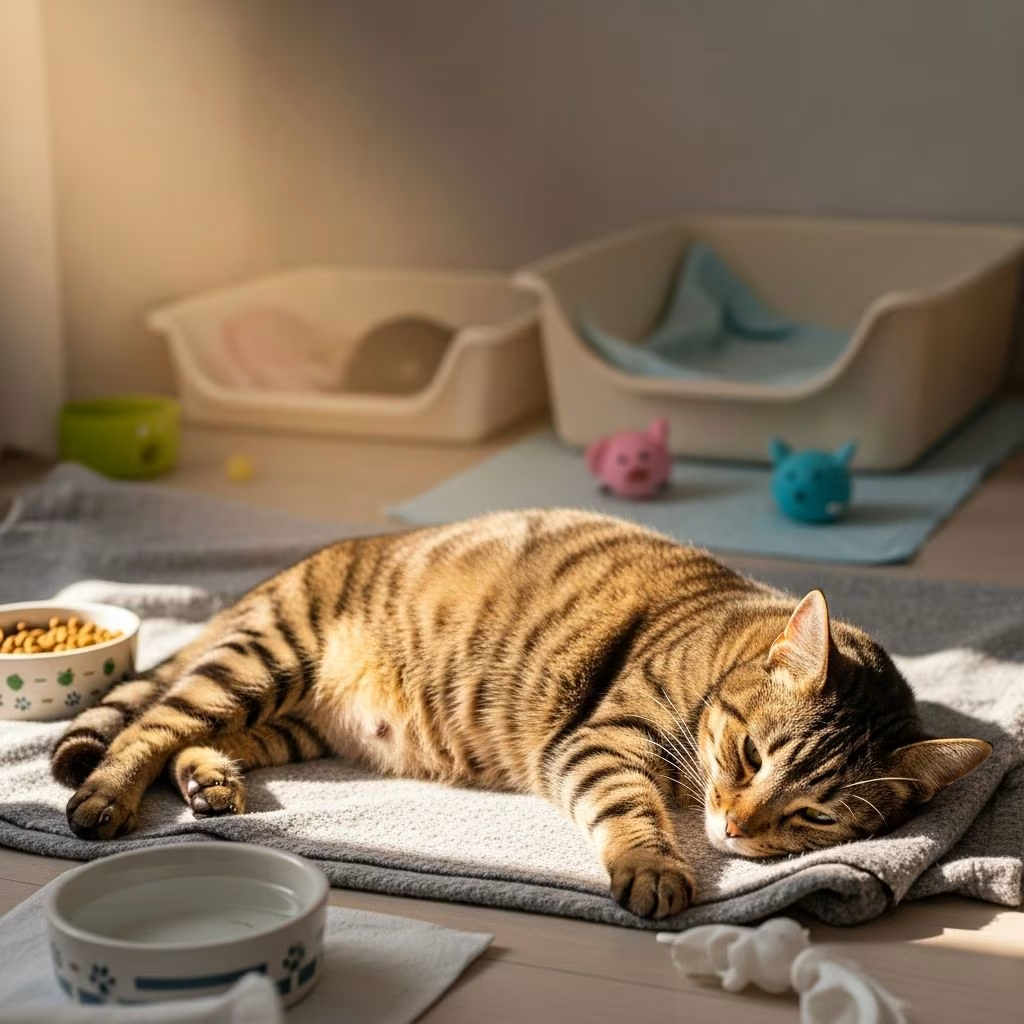
Fostering a pregnant cat represents one of the most rewarding yet demanding responsibilities in the animal rescue community. While the commitment may initially appear overwhelming, proper preparation, appropriate resources, and a supportive environment transform the experience into a deeply gratifying journey for both caregiver and feline. This comprehensive guide equips you with the knowledge and practical strategies necessary to support a pregnant foster cat through her most vulnerable period and witness the miracle of new life in your home.
Understanding the Foster Cat’s Journey
When a pregnant cat arrives at your home, she enters an unfamiliar and potentially stressful environment. The transition from a shelter or rescue facility to a private residence represents a significant change in her sensory experience. New sights, unfamiliar sounds, and unknown scents can trigger anxiety and emotional distress in expectant felines. Recognizing this adjustment period as crucial to successful fostering allows you to approach the first weeks with appropriate patience and understanding.
Cats, like many mammals, require psychological stability during pregnancy. The stress response in pregnant animals can compromise gestation and affect the health of developing kittens. Your role as a foster caregiver involves creating an environment so secure and peaceful that the mother cat can progress through her pregnancy with minimal anxiety.
Creating the Ideal Physical Environment
Establishing a Dedicated Sanctuary Space
The foundation of successful pregnant cat fostering begins with designating a specific room or area exclusively for your foster. This space should be removed from household traffic, noise, and the presence of other pets. A bathroom, guest bedroom, or quiet corner of your home proves ideal for this purpose. The gestation period for cats spans 58 to 67 days, providing an extended timeframe during which the expectant mother requires consistent tranquility.
Within this dedicated area, isolation serves multiple purposes. The mother cat needs opportunity to acclimate to her new surroundings gradually, becoming familiar with the sounds, smells, and visual landscape of her temporary home. This familiarity builds confidence and reduces the physiological stress response that could negatively impact her pregnancy progression.
Constructing and Positioning the Queening Box
Approximately two weeks before the expected delivery date, prepare a queening box—a secure, enclosed space designed specifically for labor and nursing. This structure can take various forms: a large plastic pet carrier, a spacious wooden crate, or even a cardboard box with an open entrance. The essential requirement is that the interior dimensions accommodate the mother cat lying stretched out with room for multiple kittens to nurse comfortably.
Position the queening box in the quietest corner of your designated foster space. A bathroom setting works particularly well, as these rooms naturally offer isolation and easy cleaning capabilities. If using a bathtub location, ensure the drain is securely covered. Line the interior with clean blankets or puppy pads that can be easily replaced throughout the nursing period.
Optimal queening locations maintain four critical characteristics:
- Privacy shielding from external disturbances
- Cleanliness with regular bedding changes
- Dryness preventing moisture accumulation
- Warmth maintained through appropriate heating
Temperature and Comfort Considerations
Newborn kittens cannot regulate their body temperature independently and require consistent warmth. Place a heating pad on the low setting beneath blankets on only one side of the queening box. This arrangement allows the mother cat to move away from heat if she becomes too warm, while providing essential warmth for vulnerable newborns. The asymmetrical heating setup prevents overheating while ensuring kittens remain in comfortable thermal conditions.
Gathering Essential Supplies and Equipment
Comprehensive Supply Checklist
Before bringing your pregnant foster home, acquire and organize all necessary supplies within the designated foster space. This advance preparation eliminates stress during the critical peripartum period when your attention focuses entirely on the mother and kittens.
- Premium quality kitten food for the nursing mother
- Dedicated water bowls positioned away from the nesting area
- A litter box isolated in a separate corner of the foster space
- An oversized crate (48 inches) if creating a larger containment area
- Clean blankets, towels, and puppy pads for bedding and cleanup
- Extra heating pad with low setting capability
- Thermometer for monitoring environmental temperature
- Feeding supplies including kitten formula, bottles, and syringes for potential supplemental feeding
- Soft cloth for cleaning newborn kittens if needed
- Sterile string, thread, or dental floss for umbilical cord management
Nutritional Requirements During Pregnancy and Nursing
Pregnant and nursing cats require elevated caloric intake to support both their own bodies and developing or nursing kittens. Provide high-quality kitten food designed for growth and pregnancy support, offering unlimited access throughout the foster period. Water must remain constantly available, positioned away from the nesting box to prevent accidental kitten drowning if they escape the nest.
As kittens transition to eating solid food at three to five weeks of age, introduce a gruel mixture—kitten food mixed with water to a soupy consistency. Feed this mixture two to three times daily, placing towels underneath the feeding area to manage the inevitable messiness as kittens explore their food.
Preparing Yourself for the Labor Process
Recognizing Pre-Labor Indicators
A pregnant cat approaching her delivery date exhibits characteristic behavioral changes. Restlessness increases as labor approaches, with the mother cat frequently entering and exiting her queening box. She may decrease food intake and focus intensely on nest preparation. Some cats become vocally expressive, calling frequently as hormonal changes progress.
Approximately 24 to 48 hours before active labor begins, body temperature drops noticeably. If you have access to a thermometer, monitoring temperature changes helps predict labor onset more accurately. Normal feline body temperature ranges from 100.5 to 102.5 degrees Fahrenheit; a drop to 99 degrees or lower signals impending labor within the next 12 to 24 hours.
Understanding the Birth Process
Kittens arrive encased in an amniotic sac that typically ruptures during delivery. The mother cat immediately begins licking and cleaning the newborn to facilitate sac removal and stimulate breathing. The umbilical cord remains attached to the placenta, which the mother delivers within minutes of each kitten’s arrival. She instinctively severs the cord by biting through it approximately one inch from the kitten’s abdomen.
If the mother cat shows minimal interest in cleaning newborn kittens or fails to sever umbilical cords, gentle intervention becomes necessary. Using a clean, dry towel, carefully rub kittens to stimulate respiration and remove remaining amniotic fluid. If the mother hasn’t removed the sac, carefully tear it away from the kitten’s face to enable breathing. Should the umbilical cord remain uncut, tie it securely with sterile string approximately one inch from the belly wall, then cut the cord on the distal side of the knot.
The Critical Early Weeks: Birth Through Four Weeks
Immediate Post-Birth Care
After all kittens have been delivered, resist the urge to handle them excessively. The mother cat requires minimal interference to establish nursing behavior naturally. Newborn kittens must be kept in a safe, secure location isolated from other household pets for 7 to 10 days to prevent disease transmission and ensure the fragile neonates receive appropriate maternal care without external stress.
Monitor kitten weights beginning on the first day and continuing throughout the nursing period. Healthy neonates should gain approximately 5 percent of their body weight daily. If growth stalls or kittens display weakness, supplemental bottle or syringe feeding becomes necessary. Position kittens upright or on their bellies during feeding—never on their backs as this position risks aspiration.
Weeks Two Through Four: Growth and Development
By the second week, healthy kittens spend increasing time nursing and sleeping. The mother cat may spend brief periods outside the nesting box to eat, drink, and use her litter box. Maintain cleanliness by replacing soiled bedding with fresh blankets and pads, being careful not to disrupt the maternal-kitten bond during these changes.
During weeks three and four, kittens’ eyes open, ears unfold, and mobility increases significantly. They begin learning to walk and exploring the immediate environment beyond the nesting box. The mother cat continues nursing while beginning to limit kitten contact as her maternal instincts gradually shift.
Transition and Weaning: Weeks Five Through Eight
Initiating the Weaning Process
Between three and five weeks of age, introduce kittens to solid food through gruel preparation. This transition occurs gradually, with mother’s milk remaining the primary nutrition initially. Offer gruel in shallow dishes, allowing kittens to discover food through play and exploration. Expect considerable messiness during this phase as kittens walk through food and learn eating fundamentals.
Simultaneously, kittens begin using the litter box independently during this period. Provide multiple small litter boxes throughout the foster space, filled with kitten-safe litter. Kittens naturally gravitate toward litter boxes as they develop bowel and bladder control, requiring minimal litter training from the foster caregiver.
Vaccination and Health Milestones
At approximately six weeks of age, kittens receive their first vaccinations through the fostering organization. These crucial immunizations protect against feline panleukopenia, feline herpesvirus, and other serious pathogens. Continue following the organization’s vaccination schedule throughout the foster period.
Once kittens reach two pounds in body weight, spay or neuter surgery becomes possible. This timing typically occurs around eight weeks of age, though individual growth variations occur. Surgical sterilization before adoption prevents unwanted litters and contributes to long-term health benefits for each kitten.
Practical Challenges and Troubleshooting
Managing Multiple Feeding Schedules
If supplemental bottle feeding becomes necessary, establish a twice-daily feeding schedule. However, if kittens require feeding more frequently than twice daily, coordinate with your fostering organization to transfer the litter to a foster home with the necessary time availability. This ensures kittens receive appropriate nourishment without overwhelming any individual foster caregiver.
Supporting the Nursing Mother
A nursing cat requires exceptional nutrition and hydration throughout the lactation period. Her caloric needs increase significantly as she nourishes multiple growing kittens. Provide unlimited access to high-quality kitten food and fresh water, monitoring her body condition regularly. A nursing mother should appear robust but not overweight, maintaining sufficient energy reserves to sustain milk production.
Observe her behavior for signs of distress. Excessive vocalization, fever, or apparent pain warrants immediate veterinary consultation. Mastitis—infection of mammary tissue—represents a serious nursing complication requiring professional intervention.
Beyond the Foster Period: Preparing for Adoption
Supporting Mother Cat Placement
The mother cat remains part of the neonatal fostering program until surgical sterilization. Once kittens stop nursing, the mother can be spayed and transitioned to adoption. Ensure she meets minimum requirements before adoption candidacy, including vaccination, flea and tick prevention, and any necessary medical treatment.
Preparing Kittens for Their Forever Homes
By eight weeks of age, fully weaned and vaccinated kittens transition to adoptive families. This milestone represents the fulfillment of the fostering mission—transforming vulnerable newborns into healthy, adoptable companions. The investment of time, care, and resources during the preceding weeks directly determines their success in permanent homes.
Time Commitment Expectations
Fostering a pregnant cat requires honest assessment of available time and emotional capacity. The first weeks demand frequent monitoring, though once nursing becomes established, demands decrease. By mid-lactation, the mother cat and kittens function with relative independence, requiring daily care visits but not constant attention.
However, weekends and occasional evenings may involve unexpected complications or intensive monitoring periods. Commitment to responding quickly to medical concerns ensures the best outcomes for mother and kittens. Foster organizations typically provide 24-hour support lines for urgent questions or complications.
References
- Fostering a Pregnant Cat: What You Need To Know? — Cats.com. Accessed January 2026. https://cats.com/fostering-a-pregnant-cat
- Fostering Kittens and Pregnant and Nursing Cats — PVA San Antonio. https://www.pvastx.org/fostering-kittens-and-pregnant-and-nursing-moms
- What to Expect When Your Foster Cat is Expecting — Dumb Friends League/ARLGP. January 2023. https://arlgp.org/content/uploads/2023/01/Foster-handout-pregnant-cat-1.pdf
- Fostering a Pregnant Cat — American Pets Alive! https://americanpetsalive.org/uploads/resources/Austin-Pets-Alive-Fostering-a-Pregnant-Cat-62F21.pdf
- CAT FOSTER MANUAL — MSPCA-Angell. September 2023. https://www.mspca.org/wp-content/uploads/2023/09/Feline-Foster-Manual-Updated-9.2023.pdf
- Congratulations on your new APA! pregnant or nursing mama! — Maddie’s Fund. https://www.maddiesfund.org/assets/lifesaving-academy/kitten-cat-foster/Pregnant%20or%20nursing%20mom%20Foster%20Guide.pdf



