Guide to Bunny-Proofing Your Home: Safe Spaces
Learn how to bunny-proof your home and create a safe environment for your pet rabbit.
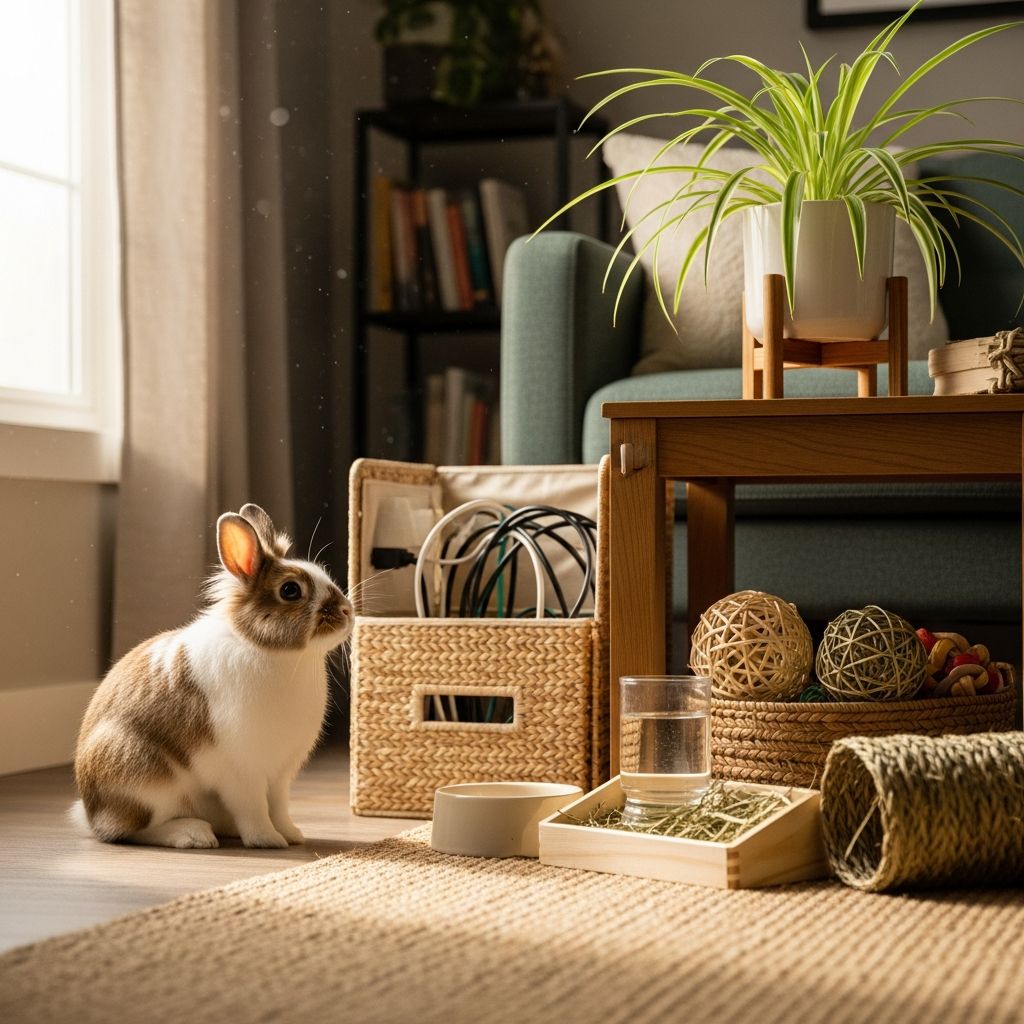
A Guide to Bunny-Proofing Your Home
Pet rabbits are wonderful companions that require a safe, secure environment to thrive. When you’re home and able to supervise, pet rabbits should be let out for several hours each day to exercise and interact with you and other pets. However, when supervision isn’t possible, your rabbit must be kept in a bunny-proof area that minimizes potential hazards and dangers. Creating a safe space for your rabbit requires careful planning, observation, and attention to detail.
The good news is that certain rooms are naturally easier to rabbit-proof than others. Bathrooms, laundry rooms, kitchens, and bedrooms typically present fewer challenges for bunny-proofing compared to other areas of your home. Before allowing your rabbit free access to any space, you must thoroughly inspect it for potential hazards. Some areas, such as computer rooms with numerous exposed wires, may be too difficult or risky to properly bunny-proof and should be restricted from your rabbit’s roaming area. However, the more space your rabbit has to explore safely, the more joy and connection you’ll experience as companions.
Choosing the Right Rooms for Your Rabbit
When deciding where to allow your rabbit to roam, consider rooms that have minimal hazards and are easier to secure. Bathrooms are excellent choices because they typically have fewer electrical outlets, limited furniture, and easy-to-clean flooring. Laundry rooms work well if you can secure any exposed chemicals and ensure the space is free from standing water. Kitchens require more careful management due to toxic foods and potential hazards, but they can be bunny-proofed with proper precautions. Bedrooms offer ample space for your rabbit to hop around and can usually be secured by removing or protecting potential dangers.
Take time to observe your rabbit in the space before declaring it fully bunny-proof. Different rabbits have different habits and preferences—some may show interest in chewing walls while others focus on furniture. Your careful observation will help you identify specific problem areas that need additional protection.
Protecting Your Rabbit from Electrical Hazards
Stopping Rabbits from Chewing on Wires
One of the most significant dangers to rabbits in any home is exposure to electrical wires. Rabbits love to chew on wires of all kinds—electrical cords, telephone lines, computer cables, and charger wires. This natural chewing behavior can be fatal if your rabbit encounters live electrical wires. To protect your bunny, you must cover all exposed wires with protective plastic tubing.
Plastic tubing is readily available at most hardware stores and electronics retailers. This tubing goes by several different names, including polygon tubing, plumber’s tubing, and vacuum tubing. It comes in various sizes, thicknesses, and types of plastic—some are hard and rigid while others are soft and easily bendable. When selecting tubing, choose sizes that fit snugly over your wires to prevent your rabbit from accessing the cord beneath.
Installation is straightforward. Simply slit the tubing open lengthwise and slip it over the exposed wire, then secure it in place with tape at several points along its length. For wires that run along walls, you can also tape them higher up where your rabbit cannot reach, making the tubing unnecessary. However, don’t forget to check for hidden wires in places your rabbit might access that you cannot easily see—such as under beds, behind furniture, behind the washing machine or dryer, behind televisions, or in other concealed spaces. These hidden wires can be just as dangerous and require the same protection.
Preventing Wall and Window Frame Damage
Some rabbits develop a habit of chewing on the corners of walls or on window frames and baseboards. This behavior can cause significant damage to your home and may also expose your rabbit to harmful materials like drywall dust or paint. Before allowing your bunny the run of the house, you should be patient and observe them for a while to determine whether they have this particular chewing habit.
If your rabbit finds a favorite spot to chew, you can purchase hard plastic or wood corner protectors from hardware stores to place over the area. These protective covers, originally designed for wallpaper edges, create a barrier that discourages rabbits from continuing their destructive behavior. Regular monitoring helps you catch and redirect this behavior early before extensive damage occurs.
Protecting Your Furniture from Rabbit Chewing
Rabbits may also show interest in chewing on items like chair legs, kitchen cabinets, doorframes, and baseboards throughout your home. To address this issue, several strategies can be effective.
One popular solution is Grannick’s Bitter Apple, a product available at most pet supply stores. This deterrent spray has a terrible flavor designed to discourage chewing behavior. When applied to the wood or area being chewed, it should deter further chewing attempts. However, it’s important to note that not all rabbits respond to this product in the same way—a few rabbits seem to actually like the taste, so this solution won’t work for every bunny.
Another physical protection method is wrapping chair legs with cardboard. Many rabbits find cardboard more appealing to chew than furniture, which can redirect their chewing behavior.
The most effective long-term solution is providing plenty of bunny toys and chewing alternatives throughout your home. Stock your space with toys made from natural materials such as wooden blocks, woven baskets, cardboard boxes, and other items designed for rabbit enrichment. Make sure that any toys or chewing materials are made from natural materials and have not been painted, stained, varnished, or treated with any chemicals. Avoid plywood, press board, particle board, and pressure-treated wood, as these materials contain toxic substances that can harm your rabbit.
Creating a Bunny-Proof Housing Setup
Flooring Considerations
Proper flooring is essential for your rabbit’s comfort and health. Wire floors are never appropriate for house rabbits, as they can cause painful sores to develop on rabbits’ feet, leading to a condition called sore hocks. If your rabbit’s cage has a wire floor, you must cover it completely with plexiglass, plywood, or other solid materials.
Solid flooring that prevents slipping is crucial for your rabbit’s safety. Rabbits do not feel secure on slippery surfaces and can suffer serious injuries if they slip and fall. Suitable floor covering options include carpet samples (provided your rabbit doesn’t chew them), towels, cotton throw rugs, and sea grass mats. All floor coverings should be washable to maintain hygiene and prevent the buildup of urine and feces that can harm your rabbit’s respiratory system.
Ramps and Multi-Level Spaces
If you have a multi-level condo or housing setup with ramps, ensure that these ramps are covered with nonskid, rabbit-safe material or are equipped with wood slats to provide proper traction. This prevents your rabbit from slipping and injuring themselves while moving between levels.
Food and Water Setup
Water and food bowls should be made of heavy ceramic or crockery material. Rabbits often mistake lightweight plastic bowls for toys and will toss them around their housing, spilling food and water everywhere. Additionally, your rabbit should have constant access to Timothy hay, which is essential for their digestive health. You can provide hay in several ways: stuff it inside an empty tissue box with the plastic removed, or place it in an all-natural basket that hasn’t been painted, stained, or varnished. Craft stores, garage sales, and second-hand stores are excellent places to find suitable baskets in various shapes and sizes.
Litter Box Selection
An adequately sized litter box is important to prevent accidents outside the box. Fill the litter box with approximately half an inch of non-clay, non-clumping, rabbit-safe litter. Suitable options include all-natural wood stove pellets, Crown Animal Bedding, Carefresh Animal Bedding, or corn cob litter. Empty and clean the litter box regularly to avoid odors that can be harmful to your rabbit’s respiratory system.
Hiding Spaces
Rabbits need a safe place to retreat and feel secure. Provide a hiding box where your rabbit can escape from stress and activity. Simple cardboard boxes work wonderfully and can be filled with Timothy hay for comfort and enrichment. This safe space is essential for your rabbit’s psychological well-being.
Toys and Enrichment
Your rabbit needs toys and enrichment items to stay mentally stimulated and physically active. Empty paper towel rolls, toilet paper rolls, hard plastic baby toys, and old telephone books are inexpensive and effective toy options. These items satisfy your rabbit’s natural urge to chew while protecting your furniture and home.
Bunny-Proofing Your Houseplants
Many common houseplants are toxic to rabbits and can cause serious illness or death if ingested. Before bringing any plants into your home, research whether they are safe for rabbits. If you wish to keep toxic plants in your home, you must keep them completely out of your rabbit’s reach. Hanging plants from the ceiling can work, but you should watch carefully for falling leaves that could drop into your rabbit’s area. Better yet, consider keeping only rabbit-safe plants, or ensure any plants are in secure, inaccessible locations.
Keeping Rabbits Safe Outdoors
It is indeed a joy to watch pet rabbits play outside and enjoy fresh air and grass. However, outdoor spaces present unique dangers that require careful bunny-proofing and constant supervision.
Supervision is Essential: Always supervise your rabbit when outdoors. Never leave your rabbit unattended in a yard, even briefly.
Harness or Enclosure: It’s best to have your rabbit on a secure harness or in a fully enclosed area. This prevents escape and protects your rabbit from outdoor dangers.
Predator Protection: It only takes a few seconds for a dog to jump a fence and attack or frighten a rabbit—literally to death. Other outdoor dangers include bites from snakes or hawks swooping down to snatch your rabbit. Keep your outdoor space secure against these threats.
Digging Prevention: Rabbits are avid diggers and will quickly burrow under fencing if given the opportunity. Ensure the area is secured so that rabbits cannot dig down or under the fence. Consider burying fencing at least six inches underground or using dig-proof barriers.
Ongoing Maintenance and Safety
Bunny-proofing is not a one-time project but an ongoing responsibility. Regularly scan the spaces where your rabbit lives—both indoors and outdoors—to make sure they remain properly bunny-proofed. New hazards can emerge, protective coverings can wear or loosen, and your growing rabbit may reach places they previously couldn’t access.
If you have guests or family members visiting your home, make sure they are aware of your bunny safety protocols. Visitors may not realize certain areas are dangerous for rabbits or may accidentally leave doors open, exposing your rabbit to hazards.
Frequently Asked Questions
Q: What are the best rooms to bunny-proof?
A: Bathrooms, laundry rooms, kitchens, and bedrooms are generally the easiest rooms to bunny-proof. These spaces typically have fewer hazards and more manageable layouts compared to other areas of your home.
Q: Is Bitter Apple effective for all rabbits?
A: While Grannick’s Bitter Apple works well for most rabbits, it is not universally effective. Some rabbits actually seem to like the taste, so you may need to try alternative deterrents or physical barriers for protection.
Q: Can I use wire cages for my rabbit?
A: Wire flooring in cages is not recommended and can cause serious foot problems. Always cover wire floors with solid material like plexiglass or plywood, and provide appropriate soft flooring that prevents slipping.
Q: How often should I check for bunny-proofing issues?
A: Regularly scan your rabbit’s living spaces, both indoors and outdoors, to ensure they remain properly bunny-proofed. Protective coverings can wear over time, and new hazards may emerge as your rabbit grows.
Q: What should I do if my rabbit finds toxic plants?
A: Research which plants are safe for rabbits and keep toxic plants completely out of reach. Consider hanging plants from the ceiling or choosing only rabbit-safe plant varieties for your home.
Q: How can I supervise my rabbit outdoors safely?
A: Always use a secure harness or place your rabbit in a fully enclosed outdoor area. Never leave your rabbit unattended, and protect against predators like dogs, snakes, and hawks.
References
- A Guide to Bunny-Proofing Your Home — Best Friends Animal Society. 2024. https://bestfriends.org/pet-care-resources/guide-bunny-proofing-your-home
- Bunny Proofing Your Home — Riverdale Animal Shelter. https://animalshelter.adcogov.org/sites/default/files/Bunny%20Guide.pdf
- Pet Rabbits: Care, Behavior, and More — Best Friends Animal Society. 2024. https://bestfriends.org/pet-care-resources/pet-rabbits-care-behavior-and-more
Similar Articles








Read full bio of medha deb