

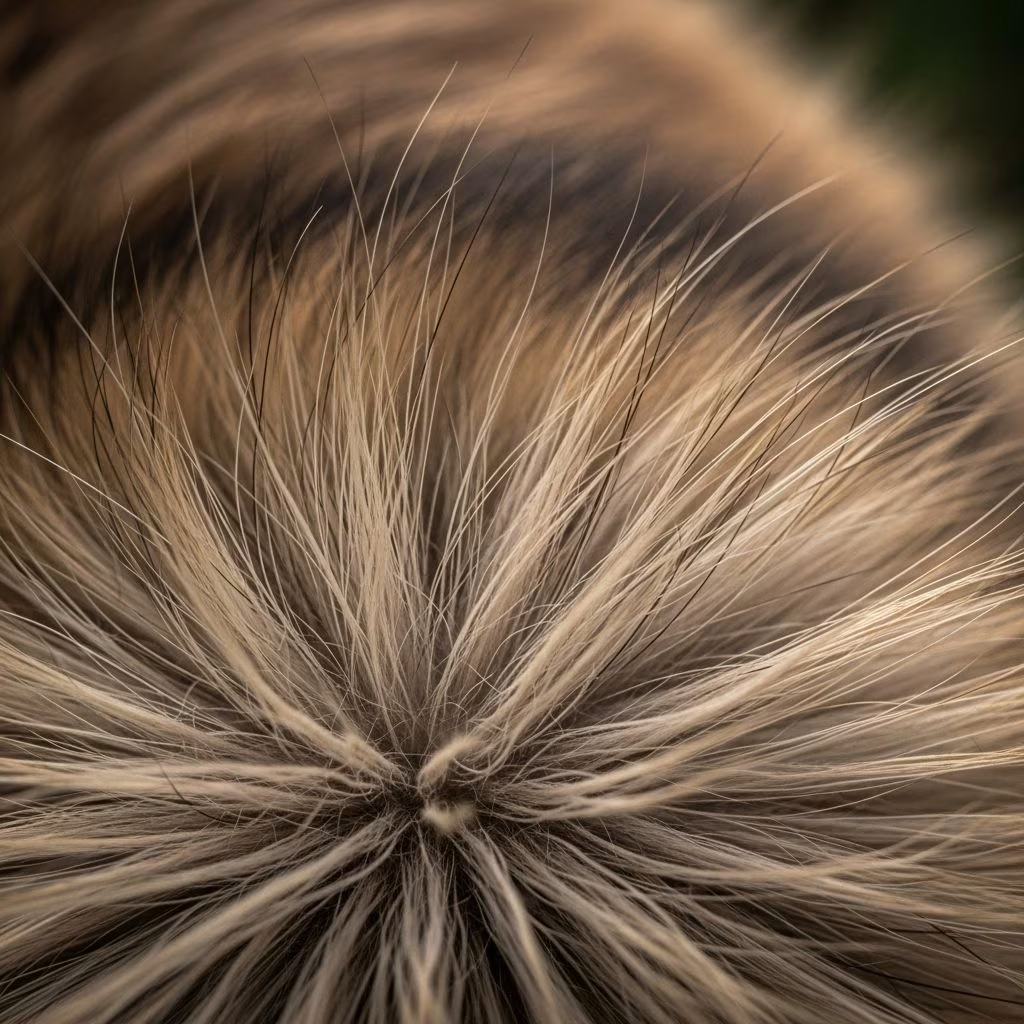
Guard hairs form the outermost layer of a dog’s coat, serving as a robust shield against environmental challenges. These coarse, elongated strands play a pivotal role in a dog’s overall well-being by safeguarding the skin and underlying fur.
The Anatomy of Canine Guard Hairs
At the core of a dog’s hair coat are guard hairs, also known as primary or over hairs, which emerge from compound follicles in the skin. Each follicle typically produces one prominent guard hair surrounded by several finer secondary hairs that constitute the undercoat.
Guard hairs are characterized by their length, thickness, and stiffness, distinguishing them from the softer under hairs. They protrude through the downy layer, creating the visible silhouette and coloration of the coat. Pigmentation in guard hairs arises from eumelanin (brown/black) and pheomelanin (yellow/red), contributing to unique patterns adapted for camouflage or display.
The hair shaft itself comprises three zones: the cuticle (outer protective layer), cortex (main structural component), and medulla (inner core). This structure ensures durability while allowing flexibility. Nourishment comes from the dermal papilla at the follicle bulb, driving continuous growth cycles.
Primary Functions of Guard Hairs
Guard hairs execute multiple critical tasks, making them indispensable for a dog’s survival and comfort. Their coarse texture repels water, blocks UV rays, and deflects physical hazards like thorns or insect bites.
Temperature Regulation Mastery
One of the standout roles of guard hairs is thermoregulation. In cold weather, the arrector pili muscles—smooth muscle bands attached to each follicle—contract, causing hairs to stand erect. This traps insulating air close to the skin, generating warmth.
During summer, shedding of the undercoat permits airflow through the guard hair network, facilitating cooling. Additionally, these hairs scatter sunlight, reducing heat absorption and UV damage to the skin.
Physical Protection and Defense
Acting as a barrier, guard hairs prevent abrasions, minor injuries, and moisture penetration to the sensitive undercoat and epidermis. They shield against parasites like fleas and ticks, minimizing infestation risks.
The piloerection reflex also serves behavioral purposes. When threatened, raised hackles make a dog appear larger, deterring predators—a primal defense mechanism observed across mammals.
Aesthetic and Identification Role
Beyond utility, guard hairs define breed standards through texture, length, and color. Wire-haired breeds feature crisp strands, while water-repellent coats in retrievers boast oily compositions.
Guard Hairs Across Dog Breeds
Coat composition varies widely due to genetics and selective breeding. Double-coated breeds like German Shepherds possess dense guard hairs over plush undercoats for harsh climates. Single-coated dogs, such as Boxers or Dalmatians, rely solely on shorter guard hairs.
| Breed Type | Guard Hair Characteristics | Examples |
|---|---|---|
| Double-Coated | Long, stiff, water-resistant; thick undercoat | German Shepherd, Husky, Golden Retriever |
| Wire-Haired | Crisp, hard-textured; minimal undercoat | Schnauzer, Terrier breeds |
| Single-Coated | Short, smooth; no undercoat | Boxer, Labrador (short-haired), Poodle (curly variant) |
| Water-Working | Oily, dense for waterproofing | Labrador Retriever, Newfoundland |
This diversity reflects adaptations: Arctic breeds have elongated guard hairs for wind protection, while tropical ones feature sleeker versions.
Grooming and Maintenance Best Practices
Maintaining healthy guard hairs requires breed-specific approaches. Regular brushing removes debris, distributes natural oils from sebaceous glands, and prevents matting. Sebum, produced near high-density areas like the back and tail, lubricates hairs, imparts shine, and offers antimicrobial benefits.
- Brushing Frequency: Daily for long-coated breeds; weekly for short-haired.
- Tools: Slicker brushes for tangles, undercoat rakes for shedding seasons.
- Bathing: Infrequent, using pH-balanced shampoos to preserve oils.
- Diet Support: Omega-3/6 fatty acids promote coat luster and strength.
Avoid over-bathing, which strips protective sebum, leading to dry, brittle guard hairs.
Risks of Shaving Guard Hairs
Shaving double-coated dogs disrupts natural insulation. Without guard hairs, UV exposure increases sunburn risk, and regrowth may yield uneven coats or impaired thermoregulation.
Post-shave, skin becomes vulnerable to cuts, allergies, and temperature extremes. Studies emphasize preserving guard hairs for optimal health, especially in working breeds.
Health Indicators: Guard Hairs and Skin Conditions
Changes in guard hairs signal underlying issues. Excessive shedding, dullness, or breakage may indicate nutritional deficiencies, allergies, hormonal imbalances, or parasites. The skin, as the body’s largest organ, reflects systemic health via coat quality.
Veterinary checks are essential for persistent problems. Early detection prevents escalation, ensuring guard hairs fulfill their protective duties.
FAQs About Dog Guard Hairs
What happens if you cut a dog’s guard hairs?
Cutting disrupts protection and thermoregulation; regrowth can be patchy, increasing skin vulnerability.
Do all dogs have guard hairs?
Yes, all dogs have guard hairs as the primary coat layer, though length and density vary by breed.
How do guard hairs help in hot weather?
They allow airflow post-undercoat shed and deflect sunlight, aiding cooling.
Can guard hairs be too long?
Overgrowth leads to matting; trim minimally without shaving to retain function.
What promotes healthy guard hairs?
Balanced diet, regular grooming, and avoiding harsh chemicals support vitality.
Guard hairs exemplify nature’s engineering in canine anatomy, blending protection, adaptation, and expression. Understanding their role empowers owners to foster thriving coats.
References
- What Are Guard Hairs on a Dog? Vet-Approved Canine Fur — Hepper. 2023. https://articles.hepper.com/what-are-guard-hairs-on-a-dog/
- Structure and Function of the Skin and Hair Coat in Dogs — PetPlace. 2024-01-15. https://www.petplace.com/article/dogs/pet-health/structure-and-function-of-the-skin-and-hair-coat-in-dogs
- What Are Guard Hairs on Dogs? Vet Approved Facts & FAQ — Dogster. 2024. https://www.dogster.com/dog-health-care/what-are-guard-hairs-on-dogs
- Guard hair — Wikipedia. 2025-10-20. https://en.wikipedia.org/wiki/Guard_hair
- Dermal Adnexa – Follicles – Veterinary Histology — Ohio State University Pressbooks. 2023. https://ohiostate.pressbooks.pub/vethisto/chapter/7-dermal-adnexa-follicles/
- The Wonders of Dog’s Skin and Coat, Layer by Layer — Doglyness. 2024. https://www.doglyness.com/blogs/news/the-wonders-of-dogs-skin-and-coat-layer-by-layer
- Healthy Skin and Coat for Dogs — Advanced Veterinary Nutrition. 2024-06-01. https://advancedveterinarynutrition.com/healthy-skin-and-coat-for-dogs/



