

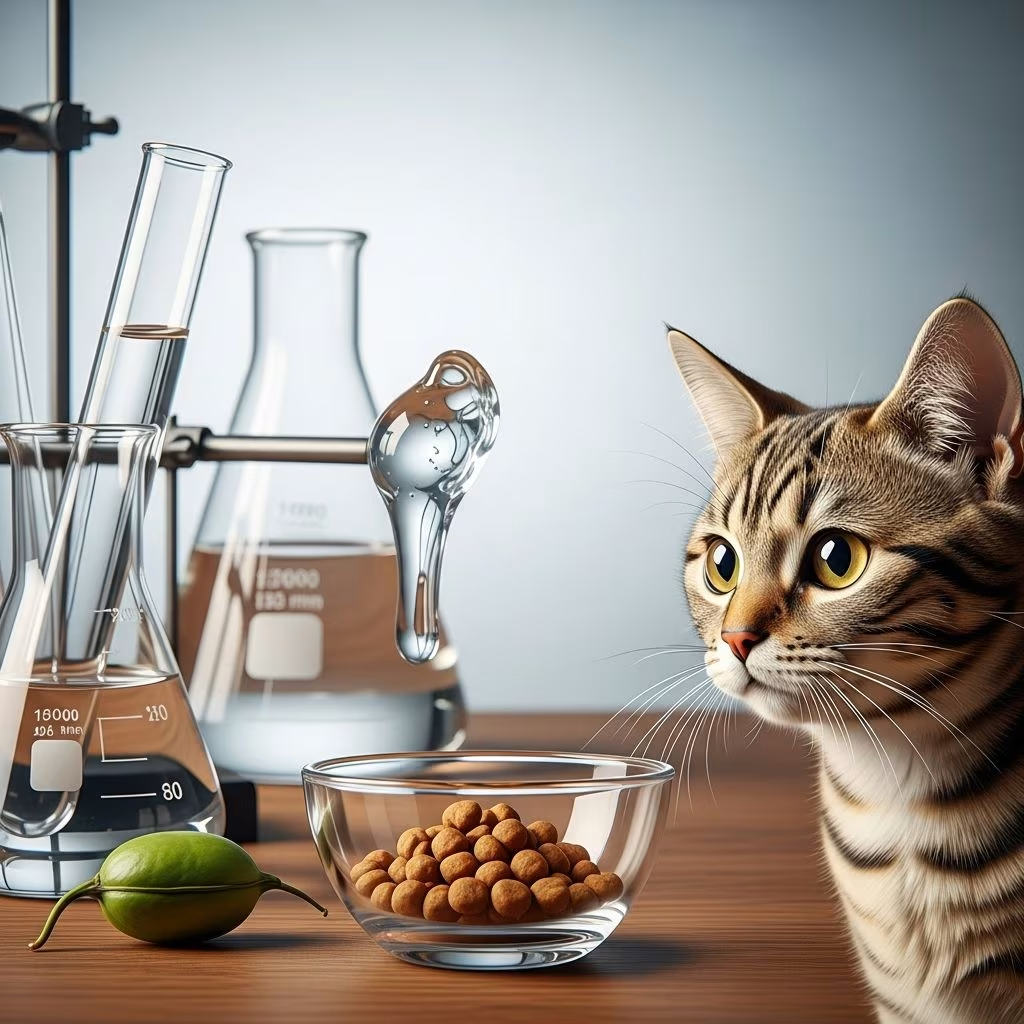
Guar Gum in Cat Food: Our Vet Explains the Uses, Safety & Benefits
If you’ve ever checked the ingredient list on your cat’s food, you’ve likely encountered the term “guar gum.” This ingredient appears in numerous commercial wet cat foods and often raises questions among pet parents concerned about their cat’s nutrition and health. The short answer is that guar gum is a thickening agent, and yes, it is safe for your cat. However, understanding what it is, why it’s used, and potential considerations for certain cats requires a deeper exploration.
What Is Guar Gum?
Guar gum is a natural thickening and gelling agent derived from guar beans. Technically, it is a type of fiber that comes from the endosperm of guar bean seeds. This ingredient has been used in food manufacturing for decades across both human and pet food industries. The FDA has designated guar gum as Generally Recognized as Safe (GRAS), meaning it has been deemed safe for consumption in commonly used amounts.
As a sugar-based ingredient, guar gum contains naturally occurring sugars, though the amount used in cat food is minimal and does not pose any significant risk or contribute meaningfully to calorie intake. The ingredient is plant-based and biodegradable, making it an environmentally friendly choice for manufacturers seeking sustainable alternatives to synthetic additives.
Why Is Guar Gum Added to Cat Food?
Manufacturers include guar gum in commercial cat foods for several practical and functional purposes:
- Texture and consistency: Guar gum acts as a gelling agent that binds ingredients together and creates a more appealing texture that cats find palatable.
- Moisture management: It helps mask and stabilize the water content in wet foods, preventing separation and maintaining an even distribution.
- Nutrient distribution: Guar gum ensures even dispersal of nutrients throughout the food product, promoting consistent nutritional value across servings.
- Cost efficiency: Using guar gum reduces manufacturing costs compared to some alternative thickening agents.
- Natural alternative: It serves as a plant-based option to synthetic thickeners, making it appealing for premium, grain-free, or natural wet cat food formulations.
Most processed cat foods contain one form of thickening agent or another, such as guar gum, cassia gum, carrageenan, or xanthan gum. Among these options, guar gum remains one of the most commonly used and well-researched ingredients in pet food manufacturing.
Is Guar Gum Safe For Cats?
Guar gum is perfectly safe for the vast majority of cats when used in appropriate concentrations. The recommended safe concentration of guar gum in cat food is approximately 0.5% to 1% of the food’s composition. At these regulated levels, which are standard in commercial cat foods, guar gum poses no toxicity concerns and is largely benign.
Research has validated the safety of guar gum through toxicology and nutritional studies. Short-term and sub-chronic studies have not shown major adverse effects under normal conditions of use. The GRAS designation from the FDA confirms that the substance is not harmful when used in commonly found amounts in pet nutrition.
However, it’s important to note that while guar gum is not necessary or ideal in a cat’s diet, the minimal amount present in most commercial foods will not cause harm to healthy cats with normal digestive function.
Is Guar Gum Bad For Cats?
Although guar gum is safe for most cats, certain individuals may experience adverse effects, particularly those with underlying health conditions or dietary sensitivities. Understanding these potential concerns helps pet parents make informed decisions about their cat’s nutrition.
Digestive Issues in Sensitive Cats
Some cats, particularly those with a history of inflammatory bowel disease (IBD) or sensitive digestive systems, can be quite sensitive to guar gum. These sensitive cats may experience gastrointestinal reactions similar to how some humans with celiac disease respond to guar gum-containing foods, despite the ingredient containing no gluten.
Signs of guar gum sensitivity may include:
- Diarrhea or loose stools
- Vomiting
- Bloating and flatulence
- Decreased appetite
- General digestive discomfort
- Constipation
- Delayed movement of the gastrointestinal tract
- Irritable bowel syndrome symptoms
If your cat exhibits any of these symptoms after consuming food containing guar gum, consult your veterinarian and consider switching to a food formulation without guar gum or other thickening agents.
Nutrient Absorption Concerns
One of the more significant concerns regarding guar gum is its potential to reduce the absorption of essential nutrients, particularly protein. Research has demonstrated that guar gum can block the absorption of protein from the large intestine. This means your cat may be getting less protein from their food than what is indicated on the nutritional label, despite adequate protein content in the formula.
Additionally, guar gum can potentially impact the absorption of fats and certain fatty acids, though this effect is typically minimal at the concentrations used in commercial cat foods. The high viscosity of gut contents caused by the gum can interfere with nutrient absorption when used in higher concentrations (above 1%).
However, it’s important to understand that these concerns primarily arise when guar gum is used in excessive amounts. The fiber in your cat’s diet, in appropriate amounts, can support digestive health by promoting beneficial gut bacteria that decrease inflammation and boost immunity. The key is balance—too much fiber causes digestibility to decrease, while appropriate amounts can be beneficial.
Allergic Reactions
Though relatively rare, some cats can experience an immune or allergic reaction to guar gum. Unlike protein allergies, which are more common, guar gum allergies involve an actual immune response. Symptoms of allergic reactions may include:
- Itching and skin irritation
- Vomiting
- Diarrhea
- Constipation
- Bloating
- Flatulence
Both xanthan gum and guar gum are suspected allergens, though carrageenan has been noted to produce similar reactions in some cats.
Medication Interference
An additional concern for some cats is that guar gum can reduce the absorption of certain medications, such as blood thinners, if consumed at the same time. If your cat is on prescription medications, discuss your cat’s food ingredients with your veterinarian to ensure there are no potential interactions.
Special Considerations for Sensitive Cats
Certain cats are more vulnerable to guar gum’s potential effects and warrant special dietary consideration:
- Cats with Inflammatory Bowel Disease (IBD): These cats may benefit from avoiding guar gum and other thickening agents, as they could potentially exacerbate symptoms.
- Senior cats: Older cats may be more sensitive to guar gum and might experience digestive changes more readily than younger cats.
- Cats with food sensitivities or allergies: Those with a history of dietary reactions should avoid foods with guar gum until tolerance is established.
- Cats with existing gastrointestinal problems: Any cat with compromised digestion should consume guar gum cautiously and under veterinary guidance.
For cats with medical conditions, consulting your veterinarian about appropriate food choices is essential to ensuring optimal health and nutrition.
What Should You Consider When Choosing Cat Food?
When assessing your cat’s food, consider these guidelines:
| Food Component | What to Prioritize | What to Avoid |
|---|---|---|
| Protein Sources | High-quality animal proteins as primary ingredient | Low-quality meat by-products |
| Fats | Omega-3 and omega-6 fatty acids | Excessive low-quality fats |
| Additives | Minimal natural thickeners if necessary | Artificial preservatives and food dyes |
| Carbohydrates | Minimal content, appropriate for species | Excessive grains or high-carb formulas |
| Fillers | Quality, minimal fillers | Unnecessary fillers and by-products |
Remember that cats process ingredients differently than dogs, requiring species-specific formulations. Cats are obligate carnivores with different nutritional requirements than other pets, making it crucial to select foods formulated specifically for feline nutrition.
A balanced formula and species-appropriate diet will prevent nutrient deficiencies in cats, especially those with sensitive digestive systems or chronic conditions.
Guar Gum vs. Other Thickening Agents
Several thickening agents appear in commercial cat foods. Guar gum is just one of several options manufacturers use to achieve desired texture and consistency. Other common alternatives include:
- Cassia gum: Another natural thickening agent with similar properties
- Carrageenan: A seaweed-derived thickener that has been associated with gastrointestinal concerns in some cats
- Xanthan gum: A fermented carbohydrate thickener that can affect cats similarly to guar gum
If your cat is sensitive to guar gum, it may also react to other thickening agents with similar properties. Working with your veterinarian to identify the specific ingredient causing issues can help you select appropriate food alternatives.
Frequently Asked Questions
Q: Is guar gum safe for all cats, or can it cause digestive issues in some?
A: While guar gum is generally safe for most cats, some individuals—particularly those with sensitive stomachs or existing gastrointestinal conditions—may experience digestive issues. The majority of healthy cats tolerate it well in the amounts found in commercial pet food. However, cats with IBD or food sensitivities warrant special consideration.
Q: How does guar gum affect nutrient absorption in cats?
A: Guar gum can potentially impact nutrient absorption, particularly in higher concentrations. Research suggests it may slightly decrease protein and fat absorption, though this effect is typically minimal at the levels used in commercial cat foods. The main concern is reduced protein bioavailability in sensitive individuals.
Q: What are the signs that my cat might be sensitive or allergic to guar gum?
A: Signs of guar gum sensitivity may include diarrhea, vomiting, decreased appetite, bloating, or general digestive discomfort. If you notice these symptoms, consult your veterinarian and consider switching to a food without guar gum to determine if the ingredient is the cause.
Q: Should I avoid cat foods with guar gum if my cat has IBD or other GI problems?
A: Cats with IBD or other gastrointestinal conditions may benefit from avoiding guar gum, as it could potentially exacerbate their symptoms. Consult with your veterinarian about appropriate food choices specifically tailored to your cat’s medical condition.
Q: How much guar gum is considered safe for cats?
A: Although guar gum has been classified as GRAS for use in cat nutrition, the recommended safe concentration is about 0.5% to 1%. At these levels, found in most commercial cat foods, it is not harmful. However, for cats suffering from unexplained GI issues or weight loss, eliminating guar gum and other thickening agents from their diet may provide relief.
Q: Can guar gum interfere with my cat’s medications?
A: Yes, guar gum can potentially reduce the absorption of certain medications, such as blood thinners, if consumed at the same time. If your cat is on prescription medications, discuss your cat’s food ingredients with your veterinarian to ensure there are no potential interactions.
Q: Is guar gum a necessary ingredient in cat food?
A: Guar gum is not a necessary component of cat food, nor will it contribute any value to your cat’s diet beyond texture and consistency. It is used as a gelling agent to help bind ingredients together and stabilize moisture content. Many quality cat foods are formulated without thickening agents.
The Bottom Line
Guar gum is a common and safe inclusion in many wet cat foods when used in appropriate concentrations. For the majority of healthy cats, it poses no health concerns. However, it is not a necessary component of feline nutrition and offers no nutritional benefits beyond functional manufacturing purposes.
For most cat parents, guar gum-containing foods are perfectly acceptable. However, if your cat has a history of inflammatory bowel disease, food sensitivities, or other gastrointestinal problems, or if you notice digestive changes after feeding guar gum-containing foods, consult your veterinarian about alternative options.
When selecting cat food, prioritize high-quality animal proteins, appropriate fat content, and minimal unnecessary additives. Staying informed about ingredient labels and sourcing reputable brands ensures your cat receives food that is both safe and nutritionally appropriate for their individual needs and health status.
References
- Guar Gum in Cat Food: Our Vet Explains the Uses, Safety & Benefits — Catster. 2024. https://www.catster.com/ask-the-vet/guar-gum-in-cat-food/
- Is Guar Gum Safe for Cats? Uses in Cat Food Explained — Sunita Hydrocolloids. 2024. https://sunitahydrocolloids.com/blog/guar-gum-in-cat-food/
- What Is Guar Gum and Why Is It in Your Cat’s Food? — PetsCare. 2024. https://www.petscare.com/news/post/is-guar-gum-bad-for-cats
- Guar Gum in Cat Food: What Every Pet Owner Needs to Know — Rawz Natural Pet Food. 2024. https://rawznaturalpetfood.com/guar-gum-cat-food/
- Why Is Guar Gum in My Cat’s Food? — I and Love and You. 2024. https://iandloveandyou.com/blogs/pet-blog/why-is-guar-gum-in-my-cats-food
- Safety and efficacy of a feed additive consisting of guar gum — European Food Safety Authority Panel on Additives. 2022. https://pmc.ncbi.nlm.nih.gov/articles/PMC9052196/
- Re-evaluation of guar gum (E 412) as a food additive — European Food Safety Authority. 2017. https://efsa.onlinelibrary.wiley.com/doi/10.2903/j.efsa.2017.4669



