

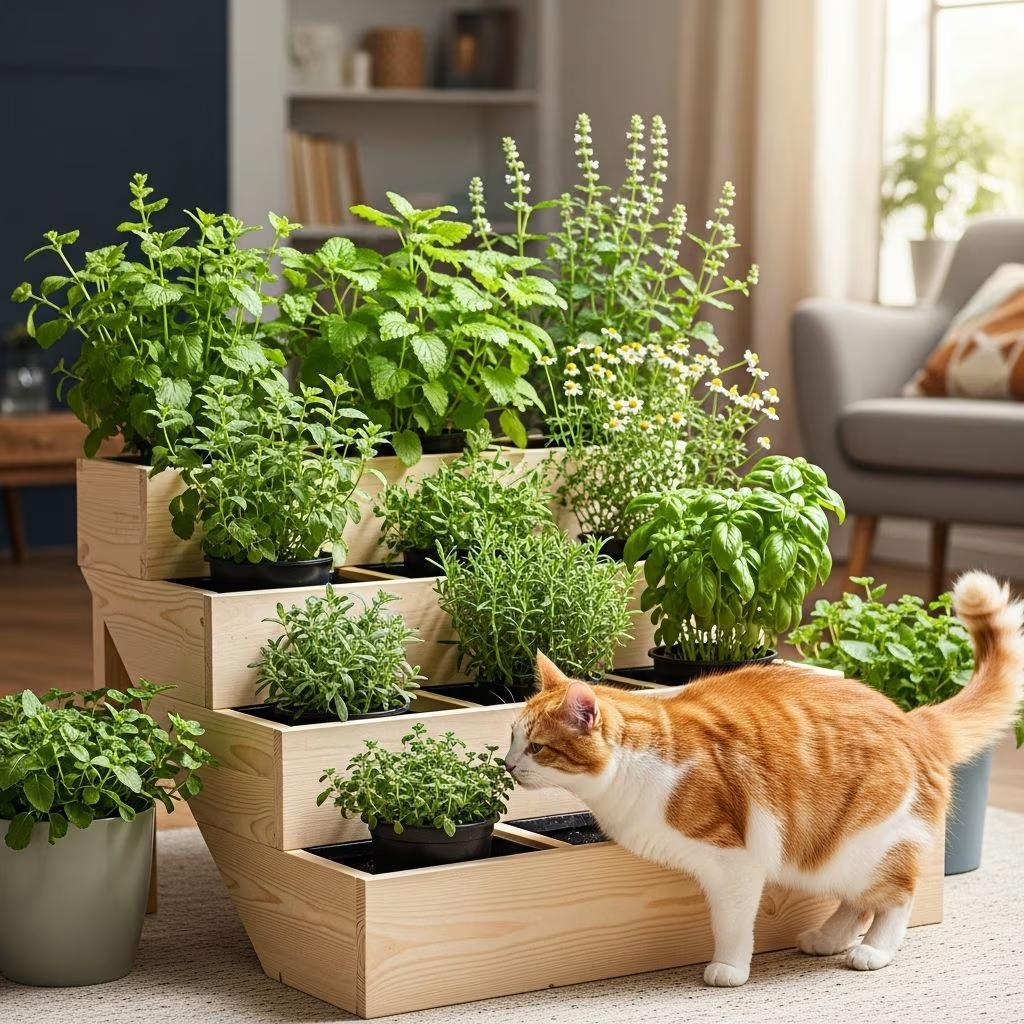
Creating a herb garden tailored for your cat offers a fantastic way to enrich their environment while promoting natural health benefits. Cats instinctively nibble on plants, and offering safe, appealing herbs like catnip, basil, and valerian can satisfy their curiosity, aid digestion, reduce stress, and even provide mild medicinal properties. Unlike toxic houseplants, these herbs are non-toxic and vet-approved when used appropriately. This guide covers everything from selecting cat-safe herbs to planting, maintenance, and troubleshooting, ensuring a thriving garden that delights your feline companion.
Why Grow Herbs for Your Cat?
Herbs provide multifaceted benefits for cats, mimicking their wild foraging behaviors while delivering targeted wellness support. Catnip and silver vine trigger playful euphoria, helping energetic cats burn off steam. Calming options like chamomile and lemon balm soothe anxiety in stressed pets. Digestive aids such as oat grass and parsley prevent hairballs and support gut health. Additionally, herbs like rosemary and thyme act as natural flea repellents and immune boosters rich in vitamins A, C, and K.
Growing your own ensures freshness, avoids pesticides, and allows customization to your cat’s preferences. Indoor gardens thrive year-round, perfect for apartment dwellers, and require minimal space—think pots on windowsills or catio setups. Observational studies note cats self-select herbs based on needs, rubbing on stimulants or ingesting digestives intuitively. Always introduce gradually to monitor reactions, as individual tolerances vary.
Cat-Safe Herbs to Grow
Not all herbs suit cats; stick to proven safe varieties. Below is a curated list of top cat-friendly herbs, their benefits, growing tips, and usage notes, drawn from veterinary and horticultural sources.
- Catnip (Nepeta cataria): The classic feline favorite, containing nepetalactone that induces euphoria in 70-80% of cats. Aids stress relief and play. Grow in full sun; harvest leaves for toys or fresh nibbles.
- Valerian (Valeriana officinalis): Strong-scented root alternative for catnip non-responders; promotes playfulness and relaxation. Roots have mild sedative effects. Prefers moist soil; harvest after 2 years.
- Basil (Ocimum basilicum): Chewy leaves offer anti-inflammatory and antibacterial benefits. Cats enjoy nibbling; safe in moderation. Thrives indoors with 4+ hours sun; pinch tops for bushiness.
- Cat Thyme (Teucrium marum): Pungent aroma for rubbing/rolling; calming for anxious cats. Use fresh or dried. Drought-tolerant; well-draining soil.
- Lemon Balm (Melissa officinalis): Mild sedative for stress; also digestive aid. Grows vigorously in partial shade; mint family, so contain roots.
- Oat Grass/Cat Grass: Fiber-rich for hairball control and digestion. Fast-growing; sprout seeds in shallow trays. Rotate weekly.
- Rosemary (Rosmarinus officinalis): Flea repellent; antioxidant-rich. Perennial shrub; full sun, dry soil.
- Thyme (Thymus vulgaris): Immune support with vitamins; soothing. Creeping habit; excellent for pots.
- Sage (Salvia officinalis): Antibacterial/antifungal; health promoter. Woody perennial; avoid overwatering.
- Lemongrass (Cymbopogon citratus): Catnip-like effects from grass blades (not oil). Tropical; warm, humid conditions.
- Others (Cilantro, Dill, Parsley, Dandelion): Safe in small amounts for variety; fiber and nutrients. Grow sparingly to prevent tummy upset.
Avoid toxic herbs like chives, garlic chives, and tarragon, which can cause gastrointestinal distress.
How to Choose Herbs for Your Cat
Tailor your garden to your cat’s personality and health profile. Energetic cats benefit from stimulants like catnip, valerian, or cat thyme to channel playfulness. Anxious or older cats prefer calmers such as lemon balm, chamomile, or oat grass. Observe reactions: rolling, rubbing, or licking indicates appeal; disinterest means rotate options.
Consider health needs—digestive herbs for hairball-prone cats, immune boosters for seasonal sniffles. Test one herb at a time: offer a leaf and watch for 24-48 hours for vomiting, lethargy, or drooling. Consult vets for cats on medications, as herbs may interact. Organic seeds ensure purity.
Step-by-Step Guide to Planting Your Cat Herb Garden
DIY herb gardens are simple, using pots, soil, and sunlight. Follow these steps for success.
- Gather Supplies: Pots/crates with drainage holes, potting mix (herb-specific or well-draining), gravel/stones, organic seeds/seedlings, compost, gloves.
- Prepare Containers: Layer gravel at bottom for drainage, fill with soil to 1 inch below rim. Mix in compost for nutrients—use veggie scraps, coffee grounds (no meat/dairy).
- Plant Herbs: Loosen seedling roots, plant at same depth as nursery pots. Space 4-6 inches apart in multi-herb containers. Firm soil gently.
- Water and Position: Thorough initial watering; provide 4+ hours daily sun (south-facing window ideal). Water when top soil dries; overwatering causes root rot.
- Maintain: Pinch tips for bushy growth, fertilize monthly with diluted fish emulsion. Rotate pots for even light.
| Herb | Light | Water | Container Size |
|---|---|---|---|
| Catnip/Valerian | Full sun | Moderate | 12-inch pot |
| Basil/Lemon Balm | Partial sun | Regular | 8-10 inch |
| Thyme/Rosemary | Full sun | Low | 6-8 inch |
| Oat Grass | Bright indirect | Keep moist | Shallow tray |
Growing and Maintenance Tips
Success hinges on location and care. Place in quiet, cat-favorite spots—avoid high-traffic areas. Indoor gardens need grow lights in low-light homes. Compost boosts growth: turn bin weekly for rich soil. Harvest regularly: snip tops to encourage regrowth. For dried herb gardens, refresh weekly if cat engages.
- Pest Control: Neem oil for aphids; herbs like rosemary deter fleas naturally.
- Winter Care: Bring pots indoors; reduce watering.
- Expansion: Propagate via cuttings for free plants.
How to Use Your Herb Garden Safely
Safety first: small doses prevent upset stomachs. Sprinkle dried leaves on toys/scratchers, offer fresh sprigs, or let cats self-serve. Signs of enjoyment: rubbing, rolling, licking. Monitor for allergies—remove if symptoms appear and vet check. Store extras airtight. Fresh homegrown beats store-bought for purity.
Troubleshooting Common Issues
Problems arise; here’s how to fix:
- Wilting: Check drainage; underwatering common.
- No Interest: Try new herbs; ensure calm environment.
- Over-Nibbling: Limit access; intersperse with grasses.
- Pests/Disease: Isolate affected plants; improve airflow.
Herbs to Avoid: Toxic to Cats
Steer clear of these to prevent poisoning:
- Chives/Garlic Chives: GI irritants.
- Tarragon: Unsafe for felines.
- Essential Oils (e.g., lemongrass oil): Concentrated toxins.
- Pennyroyal, Rue: Highly toxic.
If ingestion suspected, call vet or poison hotline immediately.
Frequently Asked Questions (FAQs)
Will herbs make my cat sick?
Cat-safe herbs are fine in moderation; excess may cause mild tummy upset. Monitor and consult vet for new intros.
What if my cat ignores the garden?
Try different herbs or locations; some cats prefer dried versions. Patience—up to a week to engage.
Can I use essential oils from these herbs?
No, most are toxic to cats due to concentration. Stick to fresh/dried.
How often should I refresh the garden?
Daily checks; top up if used, rotate fast-growers like cat grass weekly.
Are these herbs safe for kittens?
Introduce post-weaning; smaller amounts. Vet approval recommended.
References
- How to Create a DIY Herb Garden for Cats [Step-By-Step] — SoyKitty. 2023. https://soykitty.com/blogs/news/create-herb-garden-for-cats
- What Herbs Are Good for Cats? Vet-Approved Guide — Animal Wellness Magazine. 2024. https://animalwellnessmagazine.com/what-herbs-are-good-for-cats/
- DIY Cat Herb Garden — Life On Virginia Street. 2023. https://lifeonvirginiastreet.com/diy-cat-herb-garden/
- Growing Catnip and Other Pet Safe Herbs — Survival Garden Seeds. 2024. https://survivalgardenseeds.com/blogs/survival-garden-training/growing-catnip-and-other-pet-safe-herbs
- The Pet Safe Kitchen Herbs — Leaf and Paw. 2017-11-22. https://leafandpaw.com/2017/11/22/the-pet-safe-kitchen-herbs/
- Herbs Safe For Cats – Cat Friendly & Toxic Herbs Guide — Season Herbs. 2024. https://seasonherbs.co.uk/blogs/news/herbs-safe-for-cats



