

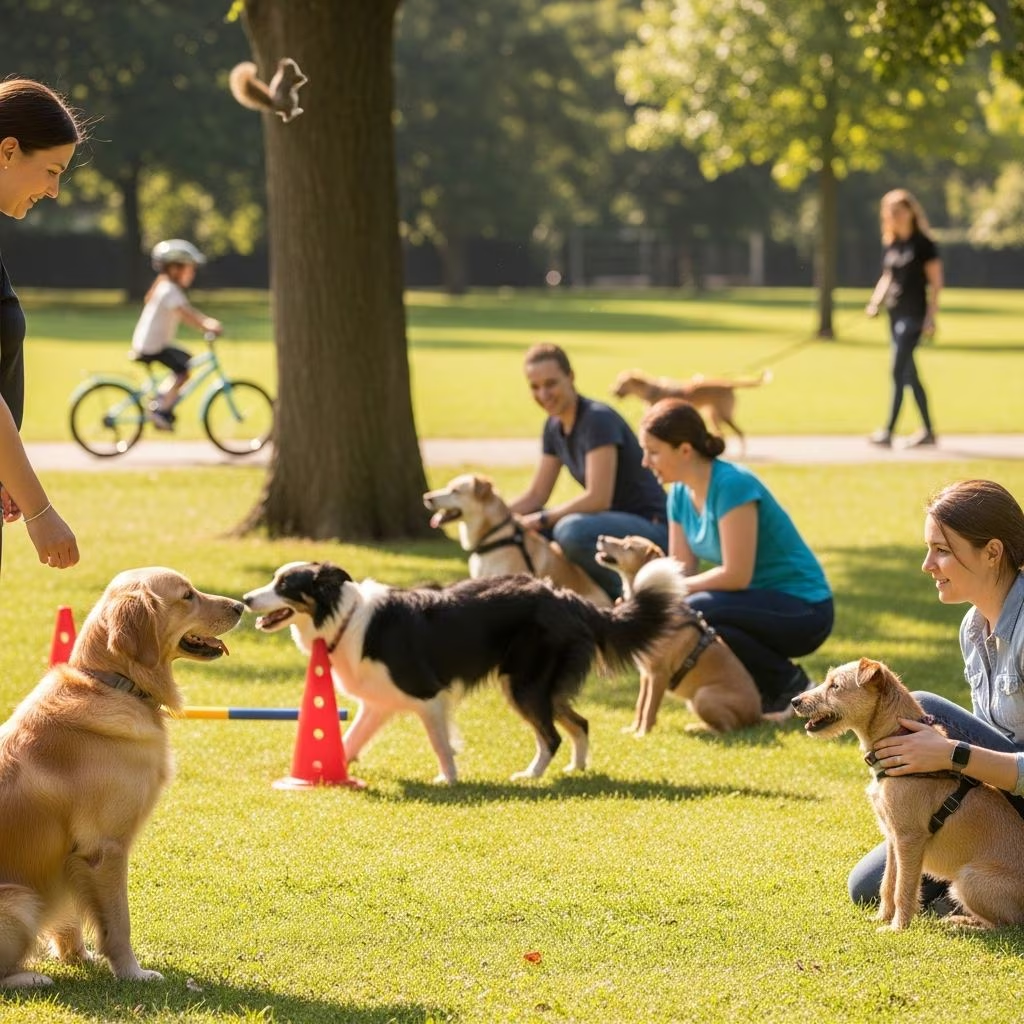
Group dog training classes offer an affordable way for dogs and owners to learn essential skills while fostering social interactions. However, the bustling environment often presents unique hurdles that can leave owners feeling isolated or overwhelmed. This article delves into common obstacles in group settings and provides actionable strategies to help your dog flourish.
Understanding the Appeal and Pitfalls of Group Sessions
Group classes stand out for their cost-effectiveness, allowing multiple handlers to share instructor expertise at a fraction of private session prices. They also simulate real-world scenarios, exposing dogs to varied stimuli that build resilience. Yet, challenges such as crowded spaces, echoing acoustics, and unpredictable peer behaviors can derail progress, particularly for sensitive or novice dogs.
Indoor venues, chosen for fewer external distractions, paradoxically amplify issues with close dog proximity. Large class sizes—often six or more dogs—exponentially heighten arousal levels, stretching the instructor’s ability to offer personalized feedback. Standard one-hour durations prioritize profitability over canine attention spans, leading to fatigue midway through.
Key Environmental Factors Impacting Success
Several elements in group classes can overwhelm dogs:
- Proximity to Other Dogs: Tight spacing increases reactivity risks, especially for leashed dogs prone to lunging.
- Acoustic Challenges: Reverberant buildings magnify barks and whines, heightening anxiety.
- Class Size: More participants mean diluted attention and amplified distractions.
- Session Length: Fixed timings ignore individual stamina variations.
Owners of reactive or fearful dogs may feel sidelined as they prioritize coping over commands like sit or stay. Transitioning to outdoor classes or smaller cohorts can mitigate these issues.
Adapting for Dogs with Specific Needs
Dogs enter classes with diverse temperaments: some thrive on stimulation, while others shut down or escalate. Reactive pups bark at passersby, fearful ones hide, and overexcited ones pull incessantly. Instructors must balance group flow with accommodations, such as positioning reactive dogs at edges or providing fearful ones safe zones under chairs.
| Dog Type | Common Reaction | Adaptation Strategy |
|---|---|---|
| Reactive | Barking, lunging | Edge positioning, high-value treats for calm |
| Fearful | Hiding, trembling | Chair sanctuary, gradual exposure |
| Overexcited | Pulling, jumping | Leash management, focus exercises |
Private sessions excel for tailored plans addressing anxiety or aggression, offering faster gains in controlled settings. Group classes, conversely, shine for well-adjusted dogs honing manners through peer observation.
Owner Strategies for Maximum Benefit
Success hinges on owner preparation and mindset shifts:
- Pre-Class Prep: Practice basics at home to build confidence. Use consistent cues across family members to avoid confusion.
- Focus Amid Chaos: Ignore distractions; tune into your dog’s signals. Reward micro-progress like brief eye contact.
- Customize Participation: If commands falter, pivot to environmental coping—treat for quiet observation rather than heeling.
- Seek Instructor Input: Collaborate for positioning or exercise modifications without pressuring the dog beyond comfort.
Resist “keeping up” urges; pushing past thresholds erodes trust. Eating treats doesn’t equate comfort—watch body language for true readiness.
Building Socialization Safely
Group settings uniquely aid socialization, countering issues from inadequate early exposure that breed fear or aggression. Controlled interactions teach polite greetings and ignore impulses. Yet, improper management risks setbacks, like reinforcing reactivity via repeated triggers.
Start with puppy classes for foundational play skills, progressing to advanced manners. Peer modeling accelerates learning—dogs mimic calm behaviors from stable pack mates. Positive reinforcement in groups amplifies enjoyment, boosting retention.
Private vs. Group: Choosing the Right Path
Weigh options based on your dog’s profile:
- Private Ideal For: Severe behaviors needing undivided focus; flexible scheduling for busy owners.
- Group Ideal For: Social butterflies refining basics; budget-conscious families seeking community.
Hybrid approaches—private foundations followed by group polish—optimize outcomes. Time management in groups demands structured sequences, assistants for reactive dogs, and space zoning.
Practical Tips for Every Handler
Elevate your experience with these overlooked tactics:
- Arrive early to acclimate and claim optimal spots.
- Pack high-value rewards matching distraction levels.
- Practice attention games pre-class to sharpen focus.
- Log wins post-session to track subtle advances.
- Communicate family training consistency for unified progress.
Discipline yourself to stay present despite ambient noise—your focus models composure for your dog.
Frequently Asked Questions
Is group training suitable for my reactive dog?
Yes, with modifications like peripheral positioning and instructor guidance. Prioritize calm over skills initially.
How do I handle a dog overwhelmed by class noise?
Opt for outdoor venues or desensitize gradually at home. Use ear covers if tolerated.
What if my dog ignores commands in group but not home?
Distractions dilute value—upgrades treats and shorten sessions. Celebrate approximations.
Should puppies start in groups?
Absolutely for socialization, but ensure vaccination status and gentle cohorts.
Can group classes address separation anxiety?
Indirectly via confidence-building, but pair with home routines.
Long-Term Training Mindset
View group classes as resilience-building marathons, not skill sprints. Celebrate environmental tolerance as profoundly as perfect stays—it’s foundational for real-life application. Instructors juggle dynamics, but your attunement drives individual breakthroughs. Persistence yields dogs navigating chaos with poise.
Inconsistent home practice undermines class gains; integrate daily short sessions. Family involvement ensures holistic reinforcement, tackling challenges like chewing or fear periods cohesively.
References
- Dog Training Fails In Group Classes? — SpiritDog Training (YouTube). 2023. https://www.youtube.com/watch?v=EpNgLgSAmmc
- Common Dog Training Challenges and How to Overcome Them — Paw Oasis Pet Resort. 2024-10-15. https://pawoasispetresort.com/what-are-the-most-common-challenges-in-dog-training-and-how-to-overcome-them/
- Feeling Alone in Group Training Class — Whole Dog Journal. 2023-05-12. https://www.whole-dog-journal.com/training/professional-training/feeling-alone-in-group-training-class/
- Time Management Skills for Teaching Group Dog Training Classes — IAABC Foundation Journal. 2022-08-01. https://journal.iaabcfoundation.org/time-management-for-group-dog-training/
- The Truth About Private vs. Group Dog Training Effectiveness — Mannered Mutt. 2024-03-20. https://manneredmutt.com/the-truth-about-private-vs-group-dog-training-effectiveness/



