

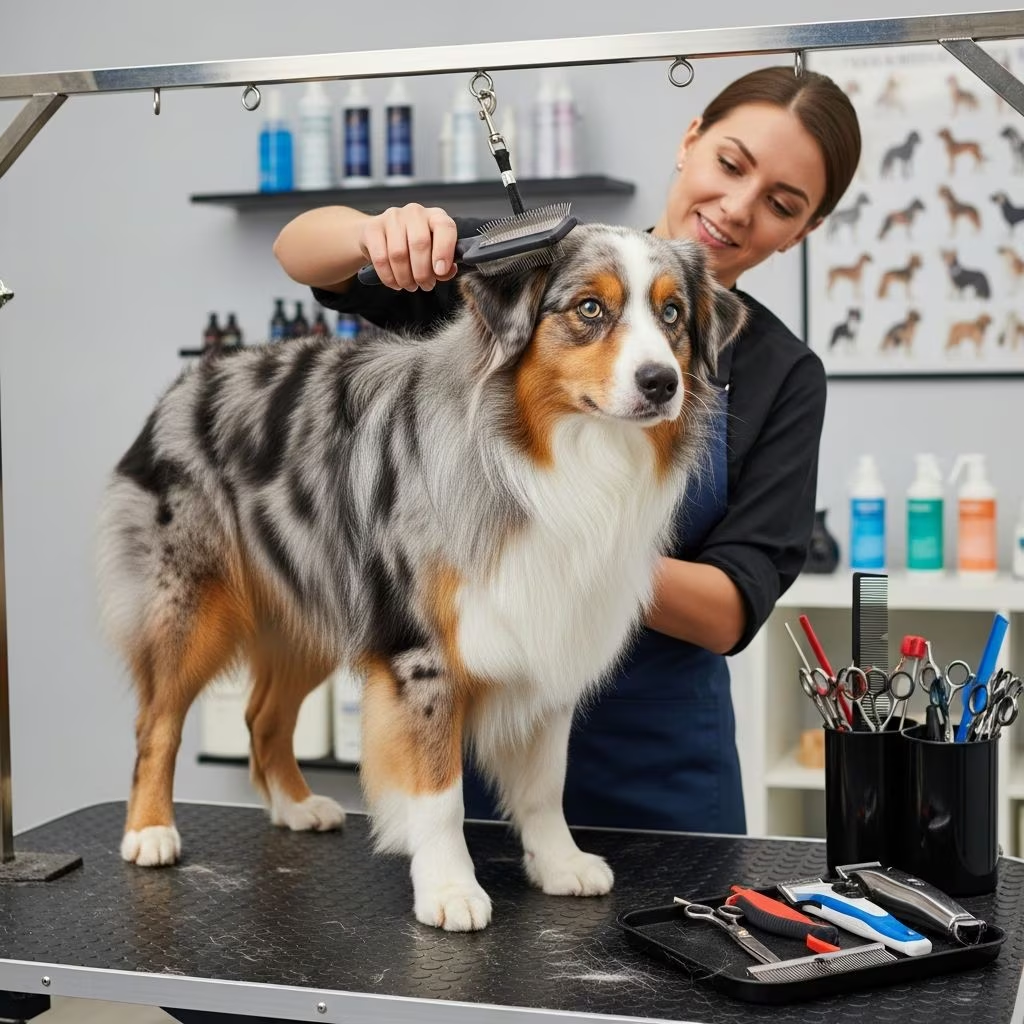
The Australian Shepherd, often called the Aussie, boasts a striking double coat that requires consistent care to stay healthy and vibrant. This medium-length coat features a dense undercoat for insulation and a coarser outer layer for protection. Regular grooming prevents matting, reduces shedding around the home, and promotes skin health by allowing you to spot issues early. Owners should aim for weekly sessions, ramping up to daily during heavy shedding seasons like spring and fall.
Understanding the Australian Shepherd Coat
Aussies have a weather-resistant double coat adapted for herding in varied climates. The undercoat traps warmth in winter and sheds to cool in summer, while the topcoat repels dirt and water. Neglecting grooming leads to tangles, especially behind ears, on legs, and around the tail, which can cause discomfort or infections. Frequent brushing distributes natural oils, keeping the coat glossy without overbathing, which strips these oils.
- Undercoat: Soft, fluffy layer that sheds heavily twice yearly.
- Guard hairs: Straight to wavy outer coat, longer on neck, chest, and legs.
- Common issues: Mats in feathering (pants, tail), dirt accumulation in paws.
Essential Grooming Tools for Aussies
Invest in quality tools to make grooming efficient and gentle. Start with an undercoat rake or de-shedding tool like a Furminator to remove loose undercoat without damaging the top layer. Follow with a slicker brush for surface hairs and mats, and a wide-tooth comb for deep penetration. Thinning shears (42-46 teeth) are ideal for natural-looking trims on ears, tail, and feet. Other must-haves include nail clippers, ear cleaner, high-velocity dryer, shampoo, and conditioner formulated for double coats.
| Tool | Purpose | Best For |
|---|---|---|
| Undercoat rake/Furminator | Removes dead undercoat | Weekly deshedding |
| Slicker brush | Detangles and smooths | Mats behind ears, feathers |
| Thinning shears | Blends and shapes | Ears, tail, paws |
| High-velocity dryer | Dries and desheds | Post-bath undercoat removal |
| Nail clippers | Trims nails | Every 4-6 weeks |
Step-by-Step Brushing Routine
Brushing is the cornerstone of Aussie grooming, done at least weekly or daily during sheds. Begin at the nape of the neck, using the undercoat rake in short sessions (7-10 minutes) to loosen fur without over-removal. Work down the back, sides, and hindquarters to the knees, avoiding excessive undercoat stripping to maintain natural insulation. Switch to a slicker brush to collect loosened hairs, focusing on high-mat areas like behind ears, chest, and leg feathers.
Always brush in the direction of hair growth with gentle pressure to reach the skin. For clumped areas, use a pin brush to loosen before raking. Finish with a comb to check for remaining tangles. This routine not only reduces shedding by up to 90% but also stimulates blood flow for healthier skin.
- Section the coat: Start from head to tail.
- Rake undercoat: Light strokes, 5-10 passes per area.
- Slicker brush: Remove surface debris.
- Comb through: Ensure no mats remain.
Bathing and Drying Best Practices
Bathe Aussies every 4-8 weeks or as needed, using a moisturizing dog shampoo to open hair cuticles for easier deshedding. Wet thoroughly, apply shampoo, and massage into a lather, then rinse completely. Follow with a mineral-rich conditioner containing collagen and magnesium to nourish the coat and ease combing.
Drying is crucial: Use a high-velocity dryer in the tub at a 90-degree angle to skin to blow out undercoat while containing mess. Finish air-drying or with a low-heat blower, laying a damp chamois towel along the spine to keep the coat flat. This prevents a poofy appearance and removes more dead hair. Avoid human dryers, as they can overheat sensitive skin.
Trimming Feet, Paws, and Sanitary Areas
Aussies accumulate debris in paw pads and long foot furnishings. Trim excess hair from pad surfaces and between toes for traction, leaving a clean line visible when standing—never scoop inside pads. Use clippers or shears to neaten hock feathers into a rounded shape.
For sanitary trims, focus on the rear: Lift the tail and use thinning shears parallel to the rectum for a ‘smile’ effect on bobtails. Trim pantaloons (rear feathers) into an upside-down triangle with blending shears, keeping it hygienic without shaving the double coat. This prevents poop adhesion and mats, taking 5-30 minutes with treats for cooperation.

Ear, Tail, and Face Maintenance
Ears demand attention: Brush fur to one side, trim 1/4 inch from edges with thinning shears for a triangular shape per breed standard, then blend upward. Clean weekly with dog-safe solution on a cotton ball to prevent infections, especially post-swim. Avoid cutting whiskers.
For tails, straighten and trim excess length straight across the end, rounding with thinners for a natural fan. Face fur around eyes should be lightly trimmed or plucked for clear vision, using blunt scissors if needed.
Nail, Teeth, and Overall Health Checks
Clip nails every 4-6 weeks to just above the quick, using styptic powder if nicked. During grooming, inspect for lumps, fleas, or hot spots. Brush teeth 2-3 times weekly with enzymatic paste to combat plaque common in herding breeds.
- Nails: Short, curved trims.
- Teeth: Poultry-flavored paste, finger brush.
- Skin: Check for dryness, allergies.
Seasonal Grooming Adjustments
In shedding season, double brushing frequency and use deshedding shampoo monthly. Summer calls for cooler baths and fan-assisted drying; winter emphasizes oil-rich conditioners. Puppies need gentle socialization to tools from 8 weeks, starting with short sessions.
Common Grooming Mistakes to Avoid
Don’t shave the coat—it disrupts natural regulation and may not regrow evenly. Overbathing dries skin; skip conditioners at your peril. Force tools on resistant dogs—instead, use positive reinforcement. Professional grooming every 6-8 weeks supplements home care for show dogs.
DIY vs. Professional Grooming
|Aspect|DIY|Professional|
Frequently Asked Questions (FAQs)
How often should I groom my Australian Shepherd?
Brush weekly, daily in sheds; bathe monthly max.
Can I shave my Aussie in summer?
No, it harms the double coat’s function.
What if my dog hates grooming?
Use treats, short sessions, desensitize gradually.
Do Aussies need professional grooming?
Not mandatory, but helpful for sanitary trims.
How to remove mats safely?
Work from outside in with slicker, cut if severe.
References
- Grooming an Australian Shepherd (Step-by-Step Process) — Life With Aspen (YouTube). 2023. https://www.youtube.com/watch?v=651pY0O5dgw
- Best Grooming Practices — Foothill Aussies. Accessed 2026. https://www.foothill-aussies.com/best-grooming-practices.html
- Grooming – Aussies — Australian Shepherd Club of America (ASCA). Accessed 2026. https://asca.org/aussies/about-aussies/grooming/
- A Guide to Grooming Your Australian Shepherd’s Bum — Just Being Farley. 2023. https://www.justbeingfarley.com/australian-shepherd-grooming-bum/
- How to Groom an Australian Shepherd — Jennifer Bishop-Jenkins (YouTube). 2023. https://www.youtube.com/watch?v=U_43NI53Xjs



