
Grooming a Bird: Complete Guide to Bathing & Care
Master bird grooming techniques: bathing methods, nail care, and wing trimming for healthy feathers.
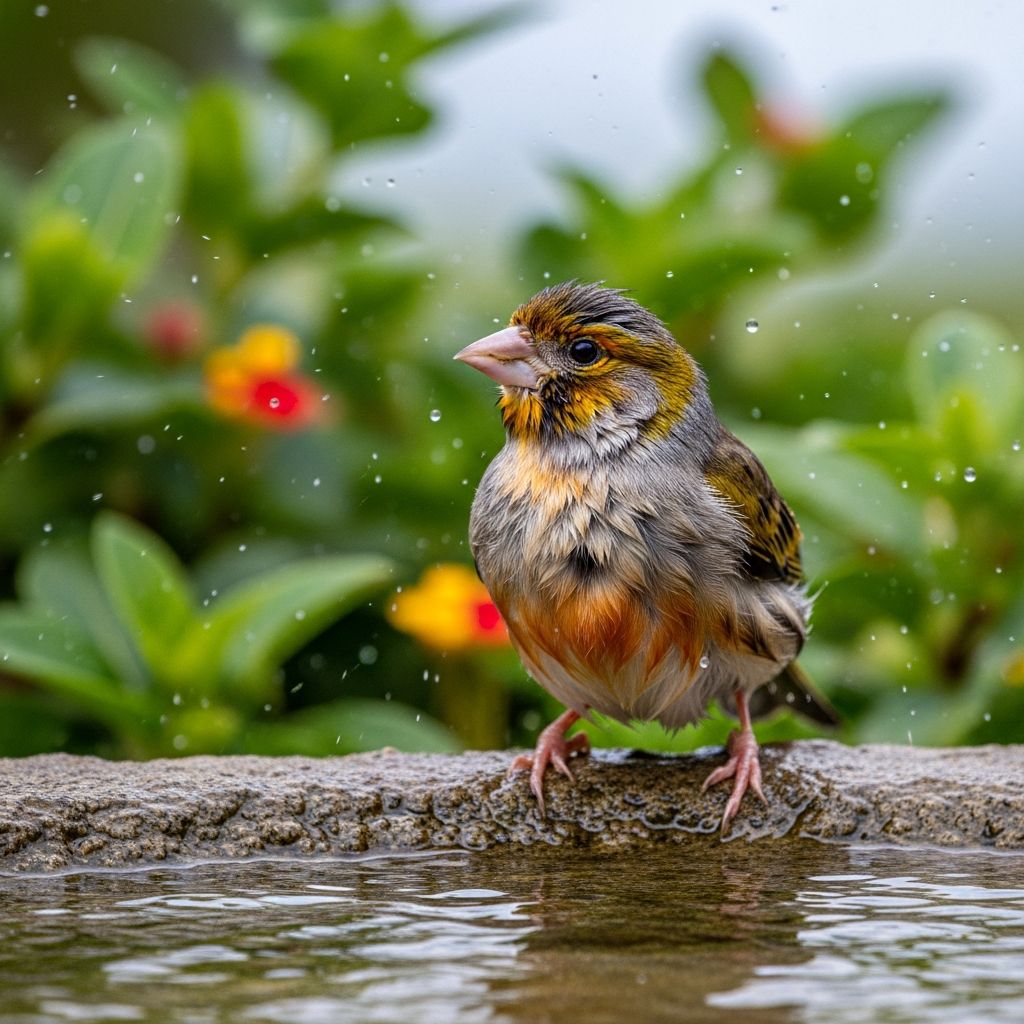
Grooming a Bird: Essential Care Guide for Pet Owners
Bird grooming encompasses several important maintenance procedures that contribute to your feathered companion’s health, comfort, and overall well-being. Whether you’re a new bird owner or an experienced avian enthusiast, understanding proper grooming techniques is crucial for maintaining your bird’s quality of life. Grooming your bird involves bathing, nail trimming, wing clipping, and beak maintenance—each serving a specific purpose in your bird’s care regimen. While some aspects of grooming can be performed at home, certain procedures should only be conducted by experienced veterinarians to avoid injury or stress to your pet.
Understanding Bird Grooming Basics
Bird grooming refers to a variety of maintenance procedures designed to keep your pet bird healthy and comfortable. The primary grooming activities include wing feather clipping, nail trimming, beak smoothing or trimming, and regular bathing. These procedures are not merely cosmetic—they play vital roles in your bird’s physical health and behavioral well-being. However, it’s important to recognize that grooming should only be performed by individuals with proper training and experience. Attempting improper grooming techniques can result in injury, feather damage, or behavioral issues in your bird.
Before commencing any grooming procedure, it’s essential to consider whether your specific bird actually needs grooming at that particular time. Some grooming procedures, particularly in rescued or phobic birds, should be approached carefully to maintain trust and avoid unnecessary stress.
The Importance of Regular Bird Bathing
Bathing is one of the most natural and beneficial grooming activities for pet birds. Most birds will take care of their own bathing needs when given the opportunity. Regular bathing helps remove dirt and debris from your bird’s feathers, keeping them healthier, cleaner, and more attractive. Beyond aesthetics, bathing promotes proper feather maintenance and helps your bird maintain its natural waterproofing and insulation properties.
The frequency of bathing depends on your climate and season. During summer months, when temperatures are warm, you may want to offer your bird a bath daily or several times weekly. In winter, limit bathing to a few times per week to prevent your bird from becoming too cold. The best time to bathe your bird is during afternoon or early evening hours, allowing sufficient time for complete drying before bedtime. Avoid bathing your bird too early in the morning or late in the evening during cooler months, as this increases the risk of your bird becoming chilled before going to sleep.
Bird Bathing Methods: Finding What Works for Your Pet
Different birds have different bathing preferences. There is no single one-size-fits-all approach to bathing your bird. Some birds prefer showers, while others enjoy traditional baths. The key is to experiment and discover what your bird finds most comfortable and enjoyable.
Misting Method
One of the most popular bathing methods is using a fine mist from a spray bottle or squirt bottle. This gentle approach allows you to control the water distribution carefully. Using warm water, gently mist your bird using light, even strokes. Some birds may be initially resistant to misting, so you may need to proceed slowly and gradually introduce them to this method. Today’s market offers specially designed misting bottles that deliver an exceptionally fine mist, which some birds tolerate better than traditional spray bottles.
Shower Perch Method
Many manufacturers now produce specialized shower perches designed for safely bringing your parrot into the shower with you. If you choose this method, remember to maintain strict safety protocols. Never allow water that is too hot, as it can scald your delicate bird. Additionally, ensure the water pressure is light and controlled—full-force water can injure your bird. Always keep the water below your bird’s face level to prevent water from entering its nares (nostrils), which can cause discomfort or infection.
Sink or Tub Method
Another effective bathing method involves using a bird-specific bath tub or your kitchen sink. Bird baths are typically available for smaller species like budgies and cockatiels, while larger birds may benefit from a foot bath tub. Fill the bath with just enough warm water for your bird to bathe—never fill it too deep, as this presents drowning risks. For the sink method, block the drain and lay down a towel to prevent slipping. You can also allow a slow trickle of water to flow. Some birds even enjoy “bath toys” such as floating hard plastic balls.
Washcloth Method
For birds that are particularly resistant to water, try using a warm, wet washcloth. Gently rub the damp cloth over your bird’s feathers. Many birds that initially resist traditional bathing methods will accept this gentler approach and become thoroughly wet without fully realizing it.
Wet Greens Method
Some birds that are completely resistant to conventional bathing can be successfully bathed using an alternative trick—hanging wet lettuce or other fresh greens in their cage. Birds may instinctively flutter and rub against wet foliage, mimicking natural bathing behavior they would exhibit in the wild against wet leaves.
Drying Your Bird After Bathing
Never allow your bird to go to bed while still wet. After bathing, help your bird dry properly to prevent illness and maintain its body temperature. Some birds enjoy being gently rubbed dry with a soft towel—a method that also provides bonding time for you and your pet. Many birds appreciate the warmth and comfort of being wrapped in a towel after bathing.
Alternatively, some birds enjoy being dried with a hair dryer set to a cool setting—never use hot settings, as these can damage feathers or burn delicate skin. If your bird is comfortable with air drying, ensure it has adequate time to dry completely in a warm room before nighttime. Never place a damp bird in a cage with inadequate lighting or warmth, as this can lead to chilling.
Professional Wing Clipping and Nail Trimming
While bathing can often be accomplished at home, professional wing clipping and nail trimming should typically be performed by experienced veterinarians or skilled veterinary technicians. These procedures require proper training to avoid injury and ensure correct technique.
Understanding Wing Trimming
Primary feathers provide the lift and thrust needed for flight, while secondary feathers allow the bird to slow its descent and land safely. During professional wing trimming, primary feathers are carefully clipped while secondary feathers remain intact to preserve flight control and safety. Wing trims should be performed conservatively, removing as few feathers as possible. This is particularly important when trimming young birds, obese birds, or stocky, heavy-bodied species, which require more conservative approaches.
A good wing trim maintains bilateral symmetry, ensuring mature feathers provide protection for newly emerging blood feathers. Some owners prefer a “show clip,” where primary feathers #9 and #10 are left in place for aesthetic appeal, though this approach may increase the risk of blood feather trauma.
Nail Trimming Considerations
Nail trimming is another important grooming procedure that should be approached carefully. Improperly trimmed nails that are too short or have rounded tips can increase the risk of falls, particularly in young birds. If nails are not properly maintained, they can catch and snag on toys or cage materials, resulting in serious injury to your bird. Professional veterinarians have the expertise to trim nails safely without causing complications.
Beak Maintenance and Care
Beak grooming involves smoothing away excess keratin that builds up on the lateral surfaces of the beak. However, this procedure is generally unnecessary if your bird is fed an appropriate diet and allowed to practice normal grooming behaviors on abrasive cage furniture like lava stone or cement perches.
If your bird develops an abnormally long beak, this is most commonly caused by chronic severe malnutrition or liver disease. Before any beak trimming procedure is performed, your bird should be screened for underlying disease. Simply trimming the beak without addressing the underlying cause will not resolve the problem and may indicate more serious health concerns requiring veterinary attention.
Grooming Considerations for Rescued or Phobic Birds
When working with rescued birds that are fearful, phobic, or aggressive, grooming decisions become more complex. While some parrot experts insist that bathing and nail trimming are essential health maintenance that must be performed regardless of the bird’s temperament, other experienced professionals recommend prioritizing trust-building over immediate grooming needs.
The reality is that forcing grooming procedures on a frightened or aggressive bird can damage the trust relationship you’re working to develop. For rescued birds with behavioral challenges, it’s often wiser to delay non-emergency grooming procedures until a stronger bond and trust foundation has been established. Once your bird feels secure and comfortable with you, grooming becomes easier and less stressful for both parties.
Creating a Grooming Schedule
Establishing a regular grooming routine helps maintain your bird’s health and wellbeing. The frequency of various grooming procedures depends on your bird’s species, individual needs, and health status. Consult with your avian veterinarian to determine the appropriate grooming schedule for your specific bird. Some birds may need nail trims every few weeks, while others require them less frequently. Wing clipping frequency varies based on your bird’s lifestyle and your specific needs.
Important Safety Precautions
When bathing your bird at home, always remember these critical safety guidelines:
– Never place your bird in a bathtub with you- Ensure water temperature is warm but not hot- Keep water pressure light and controlled- Prevent water from entering your bird’s nares- Always provide adequate drying time before bedtime- Use cool settings if using a hair dryer- Ensure proper towel placement to prevent slipping- Never leave your bird unattended during bathing
When to Seek Professional Grooming Services
Certain grooming procedures should always be delegated to experienced professionals. Wing clipping, nail trimming, and beak work should be performed only by veterinarians or highly trained veterinary technicians who specialize in avian care. Professional grooming services ensure these procedures are performed safely and correctly, minimizing the risk of injury or complications.
Frequently Asked Questions About Bird Grooming
Q: How often should I bathe my bird?
A: In summer, you can bathe your bird daily or several times per week. In winter, limit bathing to a few times weekly and ensure adequate drying time in a warm room before bedtime.
Q: Is it safe to take my bird into the shower with me?
A: Yes, with proper precautions. Use a specialized bird shower perch, keep water warm but not hot, maintain light water pressure, and always keep water below your bird’s face level to protect its nares.
Q: What should I do if my bird is resistant to bathing?
A: Try alternative methods such as misting with a spray bottle, using a warm washcloth, hanging wet greens, or offering a shallow sink bath. Proceed slowly and allow your bird to become comfortable with water gradually.
Q: Can I trim my bird’s wings and nails at home?
A: Wing clipping and nail trimming should only be performed by experienced veterinarians or skilled veterinary technicians to avoid injury and ensure proper technique.
Q: Why is my bird’s beak growing too long?
A: An abnormally long beak is usually caused by chronic severe malnutrition or liver disease. Consult your veterinarian for screening before any beak trimming procedures.
Q: Should I groom my rescued bird immediately?
A: For fearful or aggressive rescued birds, prioritize trust-building over grooming. Delay non-emergency grooming procedures until your bird feels secure and comfortable with you.
Q: What time of day is best to bathe my bird?
A: Afternoon or early evening is ideal, allowing sufficient time for complete drying before bedtime. Avoid bathing too early in the morning or too late in the evening, especially during cooler months.
Q: How do I dry my bird safely after bathing?
A: Gently rub your bird dry with a soft towel or allow air drying in a warm room. If using a hair dryer, always set it to a cool setting. Never let your bird go to bed wet.
References
- Grooming Companion Birds: A Review — Darbo-McLellan H, Pollock C. LafeberVet. October 15, 2012. https://lafeber.com/vet/grooming-companion-birds-a-review/
- Grooming a bird — Lafeber Pet Birds. https://lafeber.com/pet-birds/questions/grooming-a-bird/
- Grooming and Your Bird — Parrots For Patriots. https://parrotsforpatriots.org/grooming/
Similar Articles








Read full bio of medha deb


