

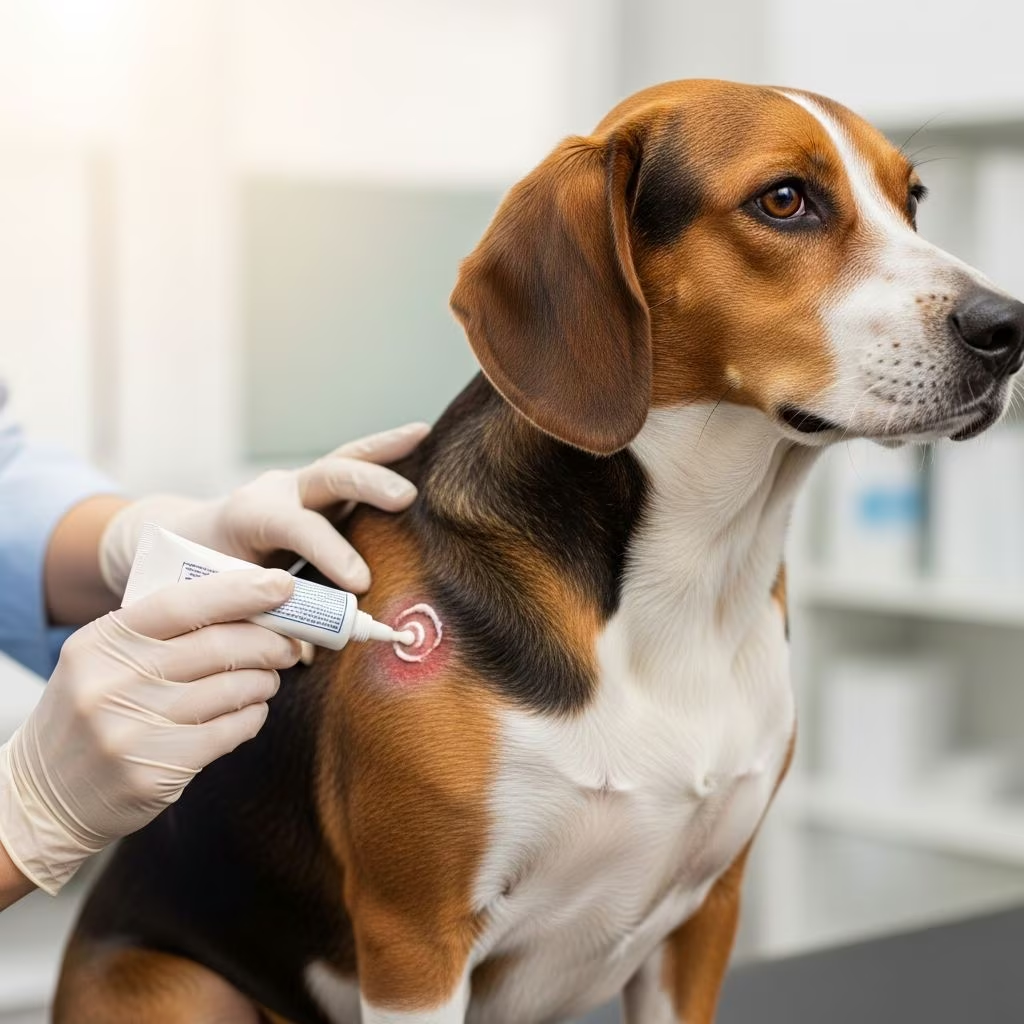
Ringworm, a common fungal infection in dogs caused by dermatophytes like Microsporum canis, manifests as circular patches of hair loss, redness, and scaly skin. Griseofulvin, an oral antifungal medication, has been a traditional treatment option, though modern alternatives are often preferred due to its side effect profile.
Understanding Ringworm: Causes and Transmission
Ringworm is not caused by a worm but by fungi that thrive on keratin in hair, skin, and nails. Dogs typically contract it through direct contact with infected animals, contaminated environments, or fomites like bedding and grooming tools. Puppies, long-haired breeds, and immunocompromised dogs are particularly susceptible.
The infection spreads easily within households, affecting other pets and humans, especially children and elderly individuals. Spores can persist in the environment for up to 18 months, necessitating thorough decontamination alongside pet treatment.
Spotting the Signs: Symptoms in Canine Patients
- Circular alopecia: Bald, round patches, often on the head, legs, or trunk, with broken hairs at the edges.
- Skin changes: Redness, scaling, crusting, or greasy appearance in affected areas.
- Mild to severe itching: Dogs may scratch excessively, leading to secondary bacterial infections.
- Fluorescence under UV light: Some strains glow apple-green under a Wood’s lamp, aiding initial screening.
Early detection is crucial, as untreated cases can generalize, covering large body areas and complicating recovery.
Diagnostic Approaches for Accurate Identification
Veterinarians employ multiple tools for confirmation beyond visual inspection:
| Method | Description | Advantages |
|---|---|---|
| Wood’s Lamp Examination | UV light reveals fluorescence in 50-70% of Microsporum cases. | Quick, non-invasive screening. |
| Microscopy (KOH Prep) | Hair samples examined for fungal elements. | Identifies hyphae and spores rapidly. |
| Fungal Culture (DTM) | Hair plated on dermatophyte test medium; growth confirms species in 7-14 days. | Gold standard for definitive diagnosis. |
| Biopsy | Rarely used; for atypical presentations. | Histopathology rules out differentials. |
Cultures are repeated during treatment to verify negativity before discontinuation, typically requiring two consecutive negative results.
Griseofulvin: Mechanism and Administration
Griseofulvin disrupts fungal cell division by binding to microtubules, preventing mitosis. It concentrates in keratinized tissues, making it ideal for dermatophytosis. Administered orally with fatty food to enhance absorption, dosing is weight-based (15-30 mg/kg daily) for 4-8 weeks or until cultures clear.
While effective, Griseofulvin has fallen out of favor due to hepatotoxicity risks, requiring baseline and periodic liver enzyme monitoring. Newer agents like itraconazole and terbinafine offer similar efficacy with better safety profiles.
Comprehensive Treatment Strategies
Successful management combines systemic antifungals, topical therapies, and environmental hygiene.
Systemic Antifungals: Beyond Griseofulvin
- Itraconazole (5-10 mg/kg daily): Preferred first-line; liquid form palatable, fewer side effects.
- Terbinafine (30-40 mg/kg daily): Broad-spectrum, well-tolerated; effective against resistant strains.
- Fluconazole: Alternative for liver-compromised dogs.
Topical Therapies for Localized Control
Applied twice weekly, these reduce spore load:
- Miconazole/chlorhexidine shampoos (e.g., Malaseb): Lather for 10 minutes.
- Lime-sulfur dips (1:32 dilution): Weekly; strong odor but highly effective.
- Creams (clotrimazole, terbinafine): For isolated lesions; prevent licking with e-collars.
Clip hair from affected areas; full-body clipping for generalized cases to facilitate cleaning.
Environmental Decontamination Protocols
Fungal spores contaminate up to 50% of household surfaces. Vacuum daily, dispose of bags, and launder bedding in hot water.
- Disinfectants: Accelerated hydrogen peroxide (Rescue), 1:10 bleach (contact 10 min), enilconazole foggers.
- Quarantine: Isolate infected dogs for 2-4 weeks; treat in-contact pets prophylactically.
- Human precautions: Wash hands, avoid shared surfaces; treat pet humanely to minimize stress.
Treatment duration: Minimum 6 weeks; extend to 12 weeks for severe cases.
Potential Side Effects and Monitoring
Griseofulvin may cause anorexia, vomiting, diarrhea, or leukopenia; rare idiosyncratic reactions include skin eruptions. Monitor with biweekly CBC and liver panels. Newer drugs have lower risks but still warrant bloodwork.
Pregnant dogs: Avoid all systemic antifungals due to teratogenicity.
Prognosis and Prevention Tips
With aggressive therapy, 90-95% of dogs recover fully within 2-3 months. Recurrence stems from premature treatment cessation or incomplete decontamination. Prevent via routine grooming, avoiding stray contact, and prompt veterinary care for skin issues.
Frequently Asked Questions (FAQs)
Can ringworm in dogs spread to humans?
Yes, zoophilic strains like M. canis transmit via contact; treat promptly to protect family.
How long does ringworm treatment last?
Typically 6-12 weeks, guided by negative cultures.
Is topical treatment alone sufficient?
Rarely; combine with oral meds for efficacy.
What if my dog has liver issues?
Opt for terbinafine or fluconazole; vet monitoring essential.
Can I use over-the-counter products?
No; prescription antifungals required for safety and effectiveness.
Long-Term Care and Follow-Up
Post-treatment, monthly cultures ensure clearance. Maintain hygiene to prevent reinfection. Nutritional support with omega-3s aids skin healing. Consult vets for breed-specific risks, like Yorkshire Terriers.
References
- Ringworm in Dogs — VCA Animal Hospitals. 2023. https://vcahospitals.com/know-your-pet/ringworm-in-dogs
- Dog Ringworm – Signs to Look For & How It’s Treated — Guilford Jamestown Veterinary Hospital. 2024-05-15. https://www.guilfordjamestownvet.com/site/blog-greensboro-vet/2024/05/15/dog-ringworm
- Ringworm in Dogs: Treatment, Symptoms, and Causes — GoodRx. 2024. https://www.goodrx.com/pet-health/dog/ringworm-in-dogs
- Ringworm Infection in Your Dog or Cat — Urban Animal Veterinary Hospital. 2023. https://urbananimalveterinary.com/event/ringworm-in-dogs-and-cats/
- Dermatophytosis (Ringworm) — The Ohio State University College of Veterinary Medicine. 2020-01-23. https://vet.osu.edu/sites/default/files/documents/Dermatophytosis%20(Ringworm)%2020200123.pdf
- Ringworm (Dermatophytosis) in Dogs – Dog Owners — Merck Veterinary Manual. 2023. https://www.merckvetmanual.com/dog-owners/skin-disorders-of-dogs/ringworm-dermatophytosis-in-dogs



