

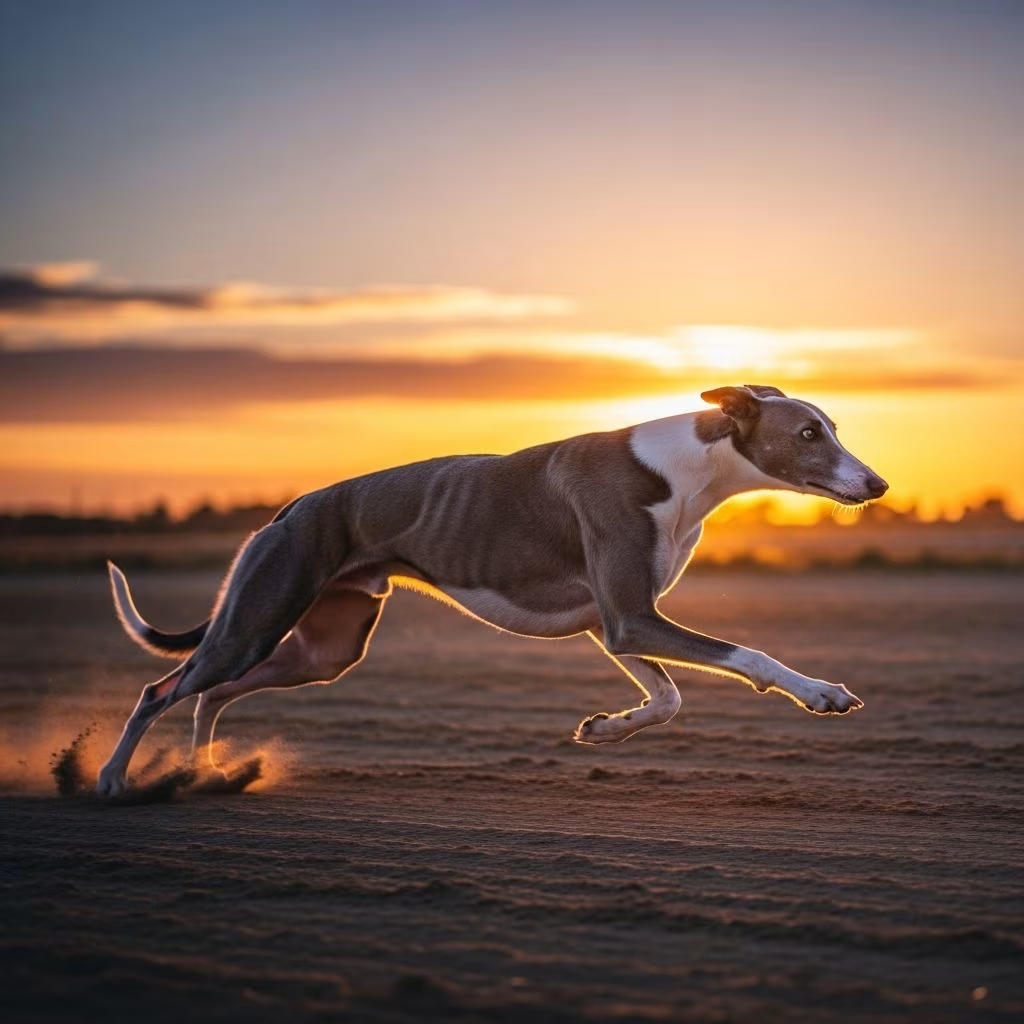
Renowned for their unparalleled speed and graceful build, Greyhounds captivate dog lovers with a surprising blend of athletic prowess and laid-back personality. These ancient sighthounds, often called the fastest dog breed, transition seamlessly from racetracks to cozy living rooms, offering loyalty and gentleness to families worldwide.
Origins and Evolution of the Breed
The Greyhound’s lineage traces back thousands of years, emerging as one of the oldest documented dog breeds. Archaeological evidence and ancient art depict these sleek hunters chasing game across Egyptian deserts and Roman arenas, prized for their ability to spot and pursue prey from afar. Bred primarily as sighthounds, they relied on exceptional vision rather than scent, evolving streamlined bodies for bursts of acceleration up to 45 miles per hour.
In medieval Europe, nobility favored Greyhounds for coursing—hunting hares by sight in open fields—elevating them to symbols of aristocracy. English breeders refined the modern form in the 18th and 19th centuries, emphasizing speed for racing and wagering. Today, while retired racers flood adoption programs, their heritage as independent hunters persists in every whip-like tail and alert gaze.
Physical Characteristics and Appearance
Greyhounds boast a distinctive physique optimized for velocity: tall, lean frames with deep chests for lung capacity, tucked abdomens for aerodynamics, and long, muscular legs. Males typically stand 26-30 inches at the shoulder and weigh 65-70 pounds, while females are slightly smaller at 60-65 pounds. Their narrow heads feature rose-shaped ears that fold back when relaxed and perk up when excited, complemented by a long, elegant neck.
The short, flat coat sheds minimally and comes in diverse colors like fawn, black, brindle, white, red, or blue. Lacking an undercoat, their skin is thin and prone to nicks, requiring caution during play. This minimal fur demands little grooming, making them ideal for neat enthusiasts.
| Physical Trait | Male Average | Female Average |
|---|---|---|
| Height | 26-30 inches | 23-28 inches |
| Weight | 65-70 lbs | 60-65 lbs |
| Coat Length | Short | Short |
| Shedding | Low | Low |
This table highlights their uniform, athletic build across genders.
Understanding Greyhound Temperament
Beneath their racing fame lies a temperament of quiet elegance. Greyhounds are gentle, affectionate, and even-tempered, often dubbed “40 mph couch potatoes” for preferring naps over constant activity. They form deep bonds with family, displaying loyalty without excessive clinginess, and their cat-like independence adds charm.
Highly sensitive, they thrive in calm environments, shying from loud noises or chaotic settings. While friendly with known humans, they may offer strangers a reserved side-eye before warming up. Their low barking habit suits apartment life, though a strong prey drive ignites at the sight of small animals like squirrels or cats.
- Gentle and placid: Rarely aggressive, they walk away from provocations.
- Affectionate yet independent: Loyal to family but self-reliant.
- Sensitive souls: Prefer peace over bustle.
- Prey-focused: Chase instincts demand secure fencing.
Exercise Needs and Daily Activity
Contrary to their sprinter reputation, Greyhounds require moderate exercise—about 60 minutes daily—far less than many breeds. Short, explosive sprints in secure areas satisfy their speed urges, followed by hours of lounging. They excel in lure coursing or open fields but tire quickly from endurance activities.
Indoor life suits them well; a fenced yard or leashed walks suffice. Over-exercising risks injury to their lightweight frames, so balance is key. Many sleep 18+ hours, embodying true relaxation.
| Breed | Daily Exercise (Minutes) |
|---|---|
| Greyhound | 60 |
| Labrador | 120 |
| Boxer | 150 |
This comparison underscores their low-energy lifestyle post-exertion.
Grooming and Maintenance Essentials
Low-maintenance defines Greyhound care. Weekly brushing with a soft tool removes loose hairs, while occasional baths prevent dirt buildup on their fine coats. Check nails monthly for trimming, and inspect thin skin for cuts after romps. Dental hygiene via chews or brushing combats tartar, as with all breeds.
Cold sensitivity from minimal fur calls for coats in winter; their low shedding minimizes allergies. Overall, they’re among the easiest breeds to keep tidy.
Health Considerations and Lifespan
Greyhounds average 10-14 years, with racers sometimes shorter due to track stresses. Common issues include bloat (gastric torsion), osteosarcoma, and hypothyroidism; annual vet checks catch these early. Their lean build protects against obesity but heightens injury risk.
Retired racers may arrive underweight or scarred—gradual conditioning restores vitality. Balanced diets support muscle without excess fat.
Training Techniques for Success
Intelligent yet stubborn, Greyhounds learn via positive reinforcement—treats trump scolding. Their independent streak means patience is vital; short sessions yield best results. Recall training counters prey drive, using high-value rewards in distraction-free zones.
Socialization from puppyhood eases stranger wariness. They’re quick studies for basics like sit and stay, thriving on consistency.
Greyhounds in Family Settings
Excellent with tolerant children, Greyhounds patiently endure play but may dodge roughhousing due to fragility. Supervise interactions to prevent accidental injuries. With other dogs, their pack history fosters harmony, though same-sex pairs need introductions.
Small pets pose risks from chase instincts—multi-pet homes require testing. They adopt families as packs, offering serene companionship.
Adopting a Retired Racing Greyhound
Adoption rescues thousands annually from tracks. These pros arrive house-trained, quiet, and adaptable, often tattooed for ID. Transition tips: provide soft bedding (they hate hard floors), cat tests, and gradual routines. Groups like Greyhound Pets of America match perfect fits.
Costs are low; many need minimal adjustment beyond gaining weight.
Nutrition Guidelines for Optimal Health
Feed high-quality kibble suited to large, active breeds—twice daily to avoid bloat. Portions: 2-3 cups for adults, adjusted for activity. Avoid high-fat treats; lean proteins fuel their frames. Fresh water always.
- Puppy stage: Growth formulas until 18 months.
- Adult: Maintenance diets with joint support.
- Senior: Lower calories, added glucosamine.
Common Myths Debunked
Myth: Greyhounds need vast spaces. Reality: They adapt to apartments with walks.
Myth: They’re hyperactive. Reality: Couch lovers after sprints.
Myth: Aggressive racers. Reality: Gentle by nature.
Frequently Asked Questions
Are Greyhounds good apartment dogs?
Yes, their quiet nature and moderate needs suit small spaces, provided secure outdoor access.
Do Greyhounds get along with cats?
Some do post-testing; their prey drive varies, so supervised intros are essential.
How much do Greyhounds shed?
Minimally; short coats mean easy upkeep.
Are they easy to train?
Intelligent but willful—positive methods work best.
What’s their average lifespan?
10-14 years with proper care.
References
- Greyhound | Temperament, Lifespan & History – Pooch and Mutt — Pooch and Mutt. 2023. https://www.poochandmutt.co.uk/blogs/by-breed/greyhounds
- Greyhound Personality Traits – Towcester Racecourse & Leisure — Towcester Racecourse. 2023. https://towcester-racecourse.co.uk/greyhound-personality-traits/
- Greyhound Dog Breed Profile – Petz Park — Petz Park. 2023. https://petzpark.com.au/blogs/petz-park-blog/greyhound
- Greyhound Dog Breed – Hill’s Pet Nutrition — Hill’s Pet Nutrition. 2023. https://www.hillspet.com/dog-care/dog-breeds/greyhound
- Fast Facts About Greyhounds as Pets | ASPCA Pet Health Insurance — ASPCA Pet Health Insurance. 2023. https://www.aspcapetinsurance.com/resources/greyhounds/
- Greyhound – Wikipedia — Wikipedia. 2026-01-28. https://en.wikipedia.org/wiki/Greyhound



