

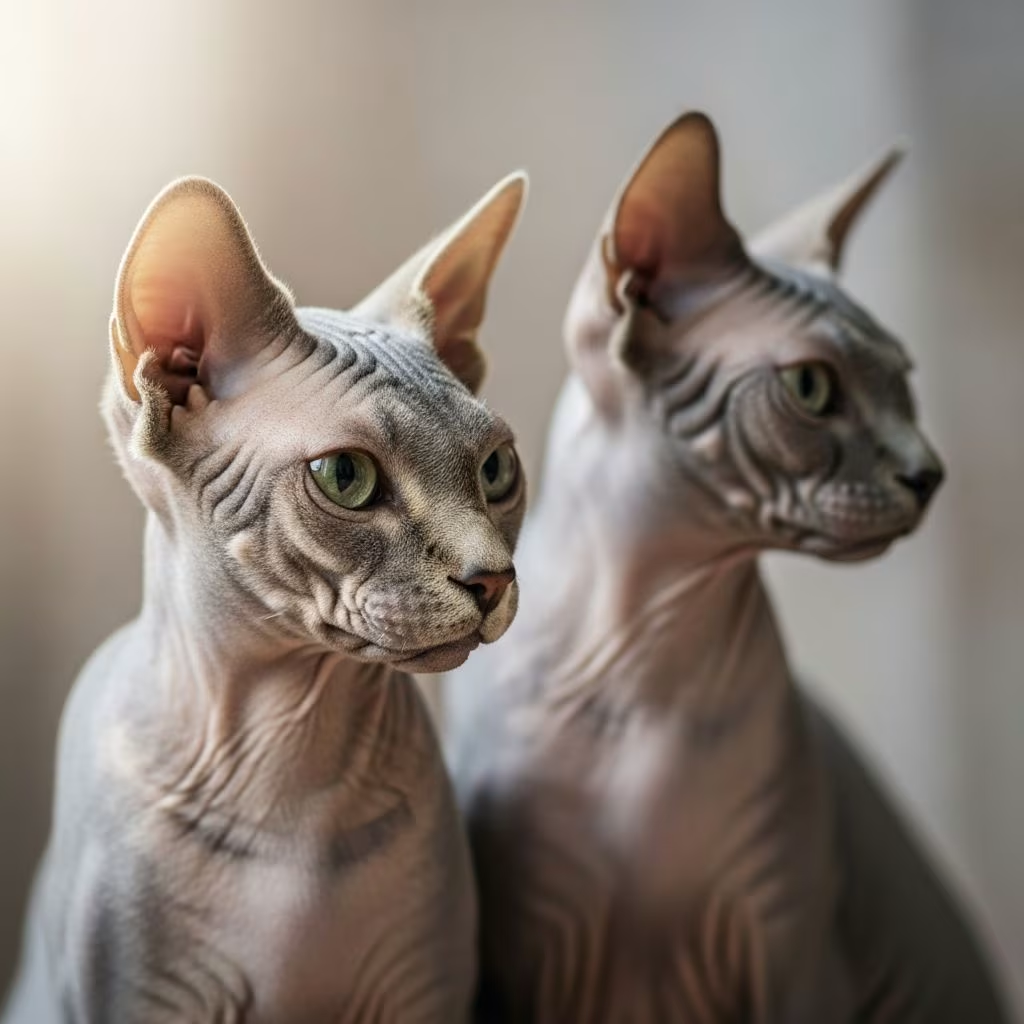
Grey Sphynx cats captivate with their bald, wrinkled skin in soft slate, blue, or lavender hues, blending exotic appeal with boundless affection. These medium-sized felines offer dog-like devotion, high energy, and adaptability, making them ideal for families despite special grooming needs.
Distinctive Look of Grey Sphynx Cats
The hallmark of grey Sphynx cats is their hairlessness, revealing warm, suede-like skin adorned with deep wrinkles, especially around the face, shoulders, and paws. This exposes a palette of grey tones—from cool slate to subtle bluish-grey—accentuated by large, lemon-shaped eyes in vivid greens, golds, or blues, and oversized ears that swivel like radar dishes.
Their bodies are compact yet powerfully muscular, with broad chests, rounded abdomens, and whip-thin tails that taper elegantly. Males typically weigh 8-12 pounds, females slightly less, but all feel heavier due to dense muscle from constant activity. Paw pads are thick and cushioned, aiding high jumps and agile leaps, while whisker pads create a squared muzzle on a wedge-shaped head with high cheekbones.
- Skin Texture: Soft, peach-fuzz down gives a warm, velvety feel, prone to oil buildup requiring regular cleaning.
- Color Variations: Grey shades dominate, but patterns like tabby or pointed markings can appear on the skin.
- Posture and Movement: Graceful, athletic gait with a pot-bellied silhouette that belies their strength.
Personality Traits That Define Grey Sphynx
Grey Sphynx cats are extroverted socialites, craving human interaction and often shadowing owners room-to-room with chirps and trills. Their intelligence shines in puzzle-solving and learning tricks, rivaling dogs in loyalty and trainability.
Playful from dawn to dusk, they leap for toys, explore high perches, and engage in fetch, yet mellow into lap-warmers for cuddles. Vocal yet not overly loud, they communicate needs clearly—food, play, or pets—forming deep bonds that reward patient owners with unwavering devotion.
| Trait | Description | Ideal Household Fit |
|---|---|---|
| Affectionate | Dog-like loyalty; thrives on lap time and attention | Families, singles seeking companions |
| Energetic | High play drive; loves interactive toys and climbing | Active homes with space to romp |
| Sociable | Welcomes kids, dogs, other cats; guest-friendly | Multi-pet or child-filled homes |
| Intelligent | Trainable, curious explorers | Owners up for mental stimulation |
Origins and Development of the Sphynx Breed
The Sphynx breed emerged in 1966 Toronto, Canada, from a hairless kitten named Prune born to a normal-coated domestic cat—a natural genetic mutation. Breeders selectively paired these mutants to establish the line, refining the hairless trait while enhancing muscular builds and friendly dispositions.
Challenges like fertility issues in early generations were overcome, leading to CFA recognition in 2002. Grey variants arose from pigmentation genes, producing the sophisticated shades prized today. Modern Sphynx trace pure lines, with occasional outcrosses to maintain health and vigor.
Care Essentials for Thriving Grey Sphynx
Without fur, grey Sphynx require vigilant skincare: weekly baths with mild, oatmeal-based shampoos remove excess oils that trap dirt and cause blackheads. Moisturize post-bath with vet-approved lotions to prevent dryness, and wipe faces daily to avoid tear staining.
They shiver in cold—keep homes above 70°F (21°C) with heated beds, sweaters for drafts, and cozy blankets. Diet demands high-protein, calorie-dense food to fuel muscle and metabolism; portion control combats obesity risk from their love of eating.
- Grooming Routine: Bath weekly; ear cleaning bi-weekly; nail trims monthly.
- Environment: Warm, draft-free spaces; cat trees for climbing.
- Exercise: 30+ minutes daily play; puzzle feeders for brain health.
Health Profile and Wellness Tips
Sphynx boast robust health, with lifespans of 12-15 years, but watch for hypertrophic cardiomyopathy (HCM), a heart condition screened via echoes. Skin issues like acne or urticaria pigmentosa need monitoring, alongside dental care to prevent gingivitis from oil buildup.
Vaccinations, flea preventives (they’re prone to infestations hiding in folds), and annual vet checks are crucial. Neutering reduces cancers, and early socialization curbs rare mischief. Their hardiness stems from diverse genetics, but reputable breeders provide health guarantees.
Why Grey Sphynx Excel in Family Settings
These cats adapt seamlessly to apartments, loving indoor life without shedding woes—perfect for allergy-prone owners as they produce fewer allergens. Their gentle patience suits kids, while social ease integrates with dogs or other cats, fostering harmonious homes.
Minimal mess (no furballs) and vocal expressiveness make bonding intuitive. For busy lifestyles, their independence kicks in after play, retreating to nap without clinginess. Emotional support shines through intuitive cuddles during stress.
Bringing Home Your Grey Sphynx: Adoption Guide
Select ethical breeders via CFA or TICA registries, prioritizing health-tested parents. Kittens cost $1,800-$4,000, reflecting purity and vetting. Rescues offer adults for $100-$500, often spayed and vetted. Prep with scratching posts, litter (uncovered, as they dislike confinement), and warming setups.
Transition gradually: quarantine new cats, introduce slowly to pets. Expect initial shyness melting into bold curiosity within days.
Common Myths About Grey Sphynx Debunked
- Myth: They’re cold to touch. Truth: Radiate body heat like warm suede due to absent fur insulation.
- Myth: High-maintenance only. Truth: Routine baths replace brushing; rewarding for their love.
- Myth: Hypoallergenic guarantee. Truth: Lower allergens but test personally.
- Myth: Delicate health. Truth: Hardy with proper care; outlive many coated breeds.
Frequently Asked Questions
Are grey Sphynx cats good for beginners?
Yes, their forgiving nature and clear communication suit novices willing to meet warmth and bath needs.
How often should I bathe a grey Sphynx?
Weekly or bi-weekly, using gentle products to control oils without stripping skin.
Do grey Sphynx get along with dogs?
Excellent—many bond like packmates, enjoying joint play.
What’s the lifespan of a grey Sphynx cat?
Typically 12-15 years with proactive care.
Can grey Sphynx tolerate cold weather?
No—keep indoors in warm environments; use clothing outdoors briefly.
References
- Sphynx Cat Personality Traits: How Do Sphynx Cats Act? — Litter-Robot. 2023. https://www.litter-robot.com/blog/sphynx-cat-personality/
- Grey Sphynx Cats: Beauty in Bareness — Purebred Kitties. 2024. https://purebredkitties.com/blogs/sphynx-cat/grey-sphynx-cats-beauty-in-bareness
- The Sphynx: origin, temperament, health and price — Weenect. 2024. https://www.weenect.com/us/en/guide/cat-breeds/sphynx/
- Sphynx — The Cat Fanciers’ Association (CFA). 2024. https://cfa.org/breed/sphynx/
- Sphynx Cat | Temperament & Health — Agria Pet Insurance. 2024. https://www.agriapet.co.uk/cat-insurance/sphynx/
- The Sphynx cat | Everything about this breed — Petrebels Blog. 2023. https://www.petrebels.com/en/cat-breeds-sphynx/



