
Grey Parrots as Pets: Care, Behavior & Selection
Complete guide to African grey parrots: intelligence, care requirements, behavior, and what to expect as a pet owner.
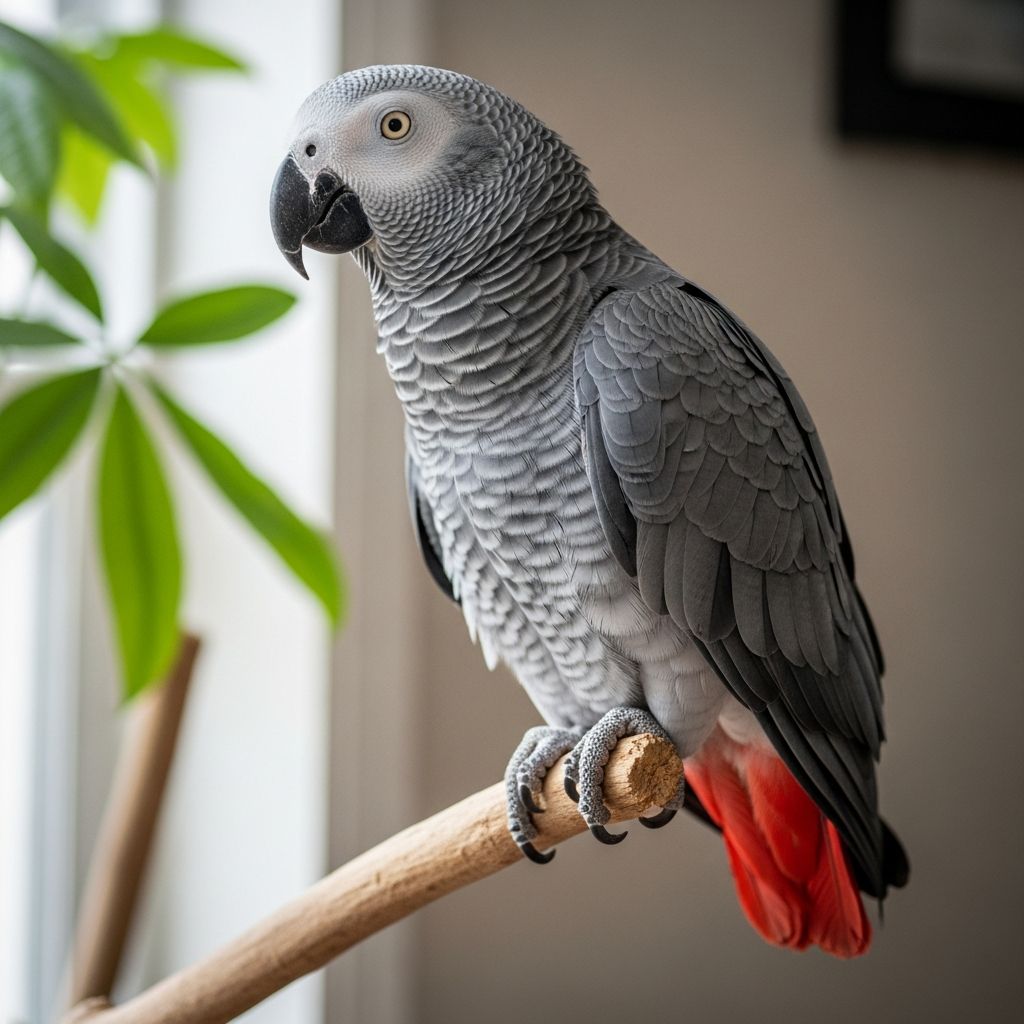
Understanding Grey Parrots as Pets
Grey parrots, scientifically known as Psittacus erithacus, represent one of the most sought-after companion birds worldwide. These remarkable creatures originate from central Africa, where they inhabit savannahs, coastal mangroves, woodlands, and forest clearings. The two main subspecies available in the pet trade are the Congo grey and the Timneh grey parrot, each with distinct physical characteristics and behavioral traits. Before considering a grey parrot as a pet, prospective owners must understand that these birds represent a decades-long commitment requiring specialized knowledge, significant financial investment, and unwavering dedication to their physical and psychological well-being.
Physical Characteristics and Identification
Grey parrots display distinctive physical features that make them easily recognizable among avian species. The African grey is a medium-sized parrot characterized by a bare facial patch, which serves as a unique identifier among different species. Understanding the differences between the two subspecies helps prospective owners make informed decisions about which variant suits their lifestyle.
Congo Grey Parrot
The Congo grey parrot features a striking black beak, a predominantly silver-grey body that is notably lighter around the eyes and rump, a vibrant red tail, and distinctive white eye patches. Notably, the iris color in young birds begins black for the first four months of life but gradually changes to a brilliant yellow by approximately four years of age. This iris color transformation serves as a useful indicator of the bird’s maturity level.
Timneh Grey Parrot
The Timneh grey parrot presents a slightly different appearance, featuring a horn-colored beak, a dark grey body, a maroon tail, and white eye patches. This subspecies is naturally localized to the Ivory Coast and Sierra Leone regions, making it less common in the pet trade compared to its Congo counterpart. An important consideration for potential owners is that African grey parrots are sexually monomorphic, meaning males and females cannot be distinguished by external physical characteristics alone.
Intelligence and Cognitive Abilities
Perhaps the most defining characteristic of grey parrots is their exceptional intelligence. These birds demonstrate cognitive abilities that rival those of young children, capable of problem-solving, learning complex tasks, and exhibiting remarkable self-control. Research conducted by Dr. Irene Pepperberg has shown that African grey parrots possess the ability to understand delayed gratification and can successfully wait for preferred rewards, demonstrating cognitive sophistication comparable to preschool-aged children. One notable example involved an African grey named Griffin, who successfully waited in 108 out of 120 trials, maintaining patience for delays ranging from ten seconds to fifteen minutes. During these waiting periods, the birds exhibited behaviors strikingly similar to human children, including self-talking, preening, and attempting brief naps.
Communication and Vocalization
Grey parrots are renowned for their exceptional ability to mimic sounds and develop extensive vocabularies. Many individuals become proficient talkers, capable of reproducing human speech with remarkable clarity and often understanding contextual meaning behind words and phrases. However, this vocal ability comes with a caveat—these birds can produce loud vocalizations that may present challenges in residential settings. Their natural intelligence combined with their communicative abilities makes them engaging companions but also demands significant time investment for proper socialization and training.
Behavioral Characteristics and Temperament
Understanding grey parrot behavior is essential for anyone considering these birds as pets. These highly intelligent creatures require substantial physical and mental stimulation to maintain psychological well-being. Without adequate enrichment, interaction, and environmental variety, grey parrots frequently develop behavioral problems that can be distressing for both bird and owner.
Common Behavioral Issues
Feather-destructive behavior represents one of the most common and concerning problems in captive grey parrots, particularly among individuals that lack adequate attention or experience abrupt changes in their daily routines. This self-injurious behavior often indicates psychological distress and requires immediate intervention through environmental enrichment, behavioral modification, and sometimes professional consultation. Additionally, grey parrots can develop a problematic “one-person” tendency without deliberate socialization efforts, bonding intensely with a single individual while becoming aggressive or withdrawn toward others in the household.
Natural Behaviors and Enrichment
In their natural habitat, grey parrots spend considerable time foraging for food, searching through vegetation for seeds, figs, and fruits. Replicating this natural behavior in captive settings is crucial for their mental health. Owners should actively teach and encourage their birds to play and forage, providing puzzle feeders, destructible toys, and varied foraging opportunities throughout the day. This engagement prevents boredom and reduces the likelihood of developing behavioral problems.
Dietary Requirements and Nutrition
Proper nutrition stands as one of the most critical factors in maintaining grey parrot health and longevity. However, these birds have earned a reputation as notably fussy eaters, often demonstrating strong preferences for seeds at the expense of more nutritionally complete diets. Understanding their natural feeding preferences and nutritional requirements is essential for preventing serious health complications.
Natural Diet and Feeding Behavior
In the wild, grey parrots function as granivores and frugivores, consuming a varied diet of seeds, figs, and fruits. Pet birds often maintain this natural preference for seeds, which can create significant nutritional challenges. All-seed diets are fundamentally deficient in essential proteins, vitamins, and minerals, including critical nutrients like calcium and vitamin A. This deficiency can lead to serious health conditions, including hypocalcemia syndrome and hypovitaminosis A, both of which can cause irreversible organ damage if left untreated.
Nutritional Management Strategies
Pet owners must actively work to diversify their grey parrot’s diet, incorporating high-quality pellets, fresh fruits, vegetables, and legumes while gradually reducing seed dependency. It is important to note that since psittacine birds hull seeds before ingestion, they do not require dietary grit. In fact, some individuals may overeat grit when ill, increasing their risk of gastrointestinal impaction. Working with an avian veterinarian to develop a species-appropriate dietary plan helps ensure optimal nutrition throughout the bird’s extended lifespan.
Husbandry and Environmental Needs
Creating an appropriate living environment for a grey parrot extends far beyond selecting an attractive cage. These birds have specific requirements for space, lighting, substrate, and social interaction that directly impact their physical health and psychological well-being.
Housing and Cage Specifications
Proper cage dimensions and features are fundamental to maintaining healthy grey parrots. Cage bar spacing should measure between 0.75 and 1.0 inches (1.9 to 2.5 centimeters) to prevent injuries and escapes. Perches should have a diameter of approximately one inch (2.5 centimeters) to allow proper foot positioning and reduce the risk of pressure-related injuries. Beyond these basic specifications, grey parrots benefit enormously from spacious environments that allow for flight, climbing, and exploration. The target environmental temperature should mimic the bird’s natural habitat, though household temperatures ranging from 70 to 80 degrees Fahrenheit (21 to 27 degrees Celsius) are generally acceptable for healthy birds that can tolerate some temperature fluctuation.
Lighting and Powder Down Management
Grey parrots produce substantial quantities of powder down, a fine powder-like substance that serves waterproofing and insulation functions but can become problematic in indoor environments. Offering daily baths or showers helps manage powder production and promotes natural grooming behaviors. For birds not exposed to natural outdoor lighting, providing full-spectrum artificial lighting supports normal circadian rhythms, vitamin D synthesis, and overall physiological health. This lighting consideration becomes particularly important during winter months or in regions with limited natural daylight.
Lifespan and Long-Term Commitment
One of the most significant considerations for potential grey parrot owners is the extraordinary longevity of these birds. With a mean lifespan of 30 to 40 years, and some individuals living into their sixties, adopting a grey parrot represents a commitment spanning decades. This extended timeframe creates unique challenges regarding housing transitions, lifestyle changes, financial stability, and succession planning. Many grey parrots outlive their original owners, necessitating careful consideration of long-term care arrangements and potentially requiring ownership documentation that addresses the bird’s care in the event of the owner’s death or incapacity.
Health Considerations and Preventive Medicine
Maintaining optimal health in grey parrots requires proactive veterinary care and careful attention to husbandry standards. Regular health monitoring combined with appropriate preventive measures can significantly extend lifespan and quality of life.
Preventive Health Protocols
Prospective and current owners should establish relationships with avian veterinarians experienced in grey parrot medicine. Annual comprehensive physical examinations form the foundation of preventive care, supplemented by baseline clinical testing including complete blood counts, protein electrophoresis, and plasma biochemistry analysis. Proper nutrition and husbandry practices substantially reduce disease risk. Newly acquired birds should undergo quarantine periods to prevent disease transmission to established birds. Additional testing for specific diseases, including avian polyoma virus and avian chlamydiosis, may be recommended based on individual history and physical examination findings.
Common Medical Conditions
Grey parrots are susceptible to various non-infectious conditions including aspergillosis, feather destructive behavior, hypocalcemia syndrome, hypovitaminosis A, oral abscesses, and rhinoliths. Infectious diseases of concern include psittacine beak and feather disease (PBFD), bornavirus infection (proventricular dilation disease or PDD), and in certain contexts, Pacheco’s disease virus. Birds housed in large groups or aviaries face elevated risk of Pacheco’s disease, making vaccination a reasonable consideration in these settings.
Physiological Parameters
| Physiological Parameter | Value (Metric) | Value (Imperial) |
|---|---|---|
| Average Temperature | 41°C | 105.8°F |
| Heart Rate | 340-600 beats per minute | |
| Respiration Rate | Approximately 25-45 breaths per minute | |
| Body Weight | 300-400 grams (Congo grey) | |
| Mean Lifespan | 30-40 years | |
| Incubation Period | 26-28 days | |
| Clutch Size | 2-4 eggs | |
| Weaning Age | 100-120 days | |
Conservation Status and Legal Considerations
African grey parrots are listed under the Convention on International Trade in Endangered Species (CITES) Appendix II, indicating that while they are not necessarily threatened with immediate extinction, their trade must be strictly regulated to prevent future population decline. This listing has significant implications for potential owners, as it restricts international transport, requires documentation for legal ownership in many jurisdictions, and may impact breeding efforts. Prospective owners should verify local and national regulations regarding ownership and ensure any bird they acquire is legally and ethically obtained.
Frequently Asked Questions About Grey Parrots
Q: How long do grey parrots typically live?
A: Grey parrots have a mean lifespan of 30 to 40 years, though some individuals may live considerably longer with optimal care. This extended lifespan makes them a genuine lifetime commitment for most owners.
Q: Can grey parrots learn to talk, and how extensive is their vocabulary?
A: Yes, grey parrots are exceptional communicators capable of learning extensive vocabularies and mimicking human speech with remarkable clarity. Many birds develop vocabularies of hundreds of words and can use them contextually.
Q: What dietary problems are common in captive grey parrots?
A: Grey parrots often prefer seeds to other foods, leading to nutritional deficiencies including insufficient calcium, vitamin A, proteins, and minerals. A balanced diet incorporating pellets, fresh produce, and legumes is essential to prevent serious health complications.
Q: How much social interaction and mental stimulation do grey parrots require?
A: Grey parrots require substantial daily social interaction and mental enrichment. Without adequate engagement, they commonly develop behavioral problems including feather-destructive behaviors and become overly attached to single household members.
Q: Are grey parrots appropriate for first-time bird owners?
A: While possible for dedicated first-time owners, grey parrots are generally recommended for experienced bird keepers who understand their complex behavioral and physiological needs. Their intelligence, longevity, and specific requirements demand considerable expertise.
References
- Basic Information Sheet: African Grey Parrot — LafeberVet. 2024. https://lafeber.com/vet/basic-information-sheet-for-the-african-grey-parrot/
- Inside Dr. Pepperberg’s Lab: African Grey Parrots Show Self-Control — Lafeber Pet Birds. 2024. https://lafeber.com/pet-birds/inside-dr-pepperbergs-lab-african-grey-parrots-show-self-control/
- Inside Dr. Pepperberg’s Lab: A Juicy Parrot Study — Lafeber Pet Birds. 2024. https://lafeber.com/pet-birds/inside-dr-pepperbergs-lab-a-juicy-parrot-study/
- Convention on International Trade in Endangered Species (CITES) Regulations — CITES Secretariat. 2024. https://cites.org/
- Avian Medicine and Surgery — Association of Avian Veterinarians. 2024. https://www.aav.org/
- Animal Behavior: Understanding Parrot Intelligence and Cognition — The Parrot Society. 2024. https://www.theparrotsociety.org/
Similar Articles








Read full bio of medha deb


