

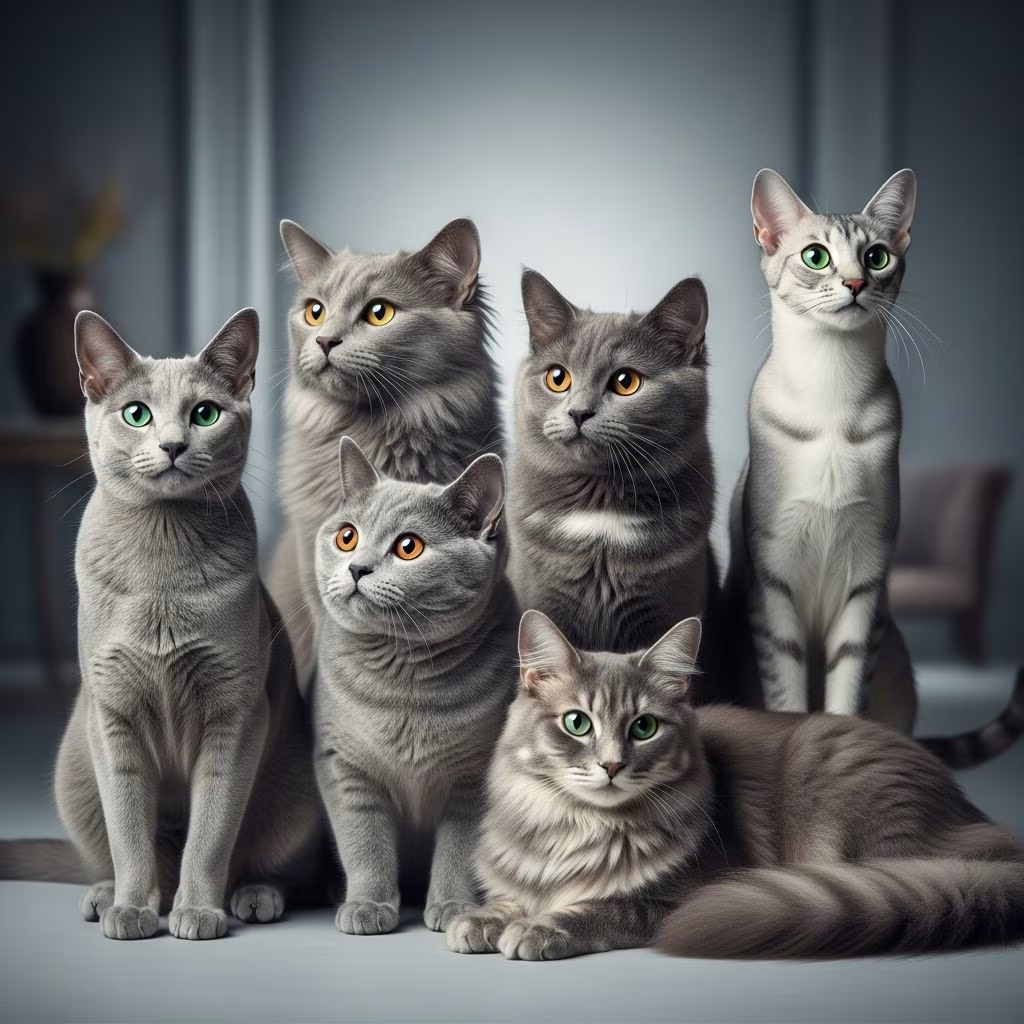
Grey cats captivate with their sophisticated silver-blue coats, ranging from shimmering pewter hues to deep slate tones. These felines blend elegance and charm, often displaying gentle, intelligent personalities that make them ideal companions for diverse households. This guide explores **12 popular grey cat breeds**, detailing their origins, physical traits, temperaments, grooming needs, and suitability for families.
Why Choose a Grey Cat Breed?
Grey cats stand out for their versatile personalities and low-shedding coats in many cases. Beyond aesthetics, they tend to be **highly intelligent, playful, and people-oriented**, adapting well to apartments, families with children, or multi-pet homes. Their dilute black-based fur genetics—requiring one black gene plus two dilute and non-agouti genes—creates that signature misty hue. Whether independent like the Russian Blue or cuddly like the Chartreux, grey breeds offer something for every cat lover.
The 12 Most Popular Grey Cat Breeds
From rare gems to beloved classics, these breeds showcase the diversity within grey felines. Each has a distinct look and vibe, backed by breed standards from feline registries.
1. Russian Blue
The **Russian Blue** is the quintessential grey cat, hailing from Russia’s Archangel Isles. Their short, plush double coat boasts vivid blue-grey fur with silver tipping for a shimmering pewter sheen. Slender bodies, long legs, small elegant ears, and striking emerald-green eyes complete their refined wedge-shaped heads.
Temperament-wise, they embody grace: intelligent, independent, loyal, and playfully clever. Reserved with strangers but affectionate with trusted humans, they vocalize with meows, chirps, and trills. Low-maintenance grooming suits them; brush weekly. Ideal for quiet homes, they thrive with interactive toys.
2. Chartreux
Known as the “Smiling Buddha,” the **Chartreux** originates from France. Their dense, woolly blue-grey coat varies from pale ash to deep slate, with silver tips enhancing reflectivity. Short fur on the face contrasts longer neck ruffs, giving a muscular, pot-bellied “wolf in sheep’s clothing” build.
These calm, friendly cats adore cuddles, following owners devotedly. Sweet, gentle, and playful (especially kittens), they’re low-maintenance and adaptable. Copper or golden eyes add warmth. Brush bi-weekly; they suit families seeking affectionate lap cats.
3. British Shorthair
The **British Shorthair** resembles a plush teddy bear with its dense, solid blue-grey coat, full cheeks, and round copper eyes. Beneath the thickset body lies powerful muscle.
Mellow, easygoing, and quiet yet affectionate, they excel in busy households with kids or pets. Not extreme lap cats, they snuggle beside you contentedly. Moderate grooming; weekly brushing prevents mats. Perfect for relaxed owners.
4. Nebelung
A rare breed akin to the Russian Blue, the **Nebelung** features a semi-long silver-grey coat, sturdy body, and green eyes. Their misty fur evokes fog (“Nebelung” means “creature of the mist” in German).
Initially timid, they blossom into sweet, loyal companions. Clever and playful, they love mind-challenging games. Minimal shedding; comb regularly for long fur. Best for patient, single-pet homes.
5. Oriental Shorthair
**Oriental Shorthairs** display blue-grey fur on slim, elegant bodies with wedge heads, tall ears, and long tails. Their coats reflect light via silver tips.
Active, vocal, and engaging, these “people cats” demand interaction to avoid boredom. Intelligent and athletic, they chirp and meow expressively. Weekly brushing; ideal for active owners providing stimulation.
6. Scottish Fold
Originating from a 1961 barn cat named Susie in Scotland, **Scottish Folds** charm with folded ears, round faces, large eyes, and dense slate-to-charcoal grey fur.
Gentle, sweet, and playful, they go limp like ragdolls when held. Health-note: folded ears link to cartilage issues; choose straight-eared responsibly. Low grooming; family-friendly.
7. Exotic Shorthair
The **Blue Exotic Shorthair** mirrors the Persian’s flat face and stocky build but with short, low-maintenance blue-grey coats. Larger ears and eyes come from Shorthair/Burmese heritage.
Laidback, affectionate lap cats, they’re less demanding than longhairs. Brush weekly; prone to respiratory issues from brachycephaly.
8. Devon Rex
Born from a 1960s English mutation, **Devon Rex** greys feature curly blue-grey waves or ringlets on slender frames, low-set ears, and oval eyes in gold-to-green shades.
Playful, mischievous “pixie” cats crave attention. Minimal grooming for curls; suits playful households.
9. Korat
Thailand’s ancient “lucky cat,” the **Korat** has a short, silver-tipped blue-grey coat, vivid green eyes, and heart-shaped faces.
Gentle, loyal, and vocal, they’re reserved yet loving. Low shedding; perfect for superstitious owners seeking devotion.
10. Maine Coon
America’s native giant, **grey Maine Coons** boast long, water-repellent coats suited for cold climates, tufted ears, and bushy tails.
Gentle giants: dog-like, social, and family-oriented. High grooming needs; great with kids/pets.
11. Persian
**Grey Persians** (Blue Persians) flaunt long, silky blue fur, flat faces, and round heads. Luxurious but high-maintenance.
Calm, quiet lap lovers. Daily grooming essential; watch for eye/tear issues.
12. American Shorthair (Blue Variant)
Robust working cats with solid blue coats, the **Blue American Shorthair** offers versatility.
Adaptable, friendly, low-maintenance. Ideal all-purpose pets.
Common Personality Traits of Grey Cats
- Independent but Playful: Balance solitude with fetch-like games.
- Subtle Affection: Loyal bonds without clinginess.
- Expressive and Chatty: Vocal meows, trills for communication.
- Intelligent: Excel at puzzles, training.
Care Tips for Grey Cat Breeds
Most need moderate exercise: interactive toys, scratching posts. Diets tailored to age/activity prevent obesity. Vet checkups catch breed-specific issues (e.g., HCM in Maine Coons, PKD in Persians).
| Breed | Grooming | Exercise Needs | Family Suitability |
|---|---|---|---|
| Russian Blue | Low | Moderate | Good |
| Chartreux | Low | Low | Excellent |
| British Shorthair | Moderate | Low | Excellent |
| Maine Coon | High | High | Excellent |
Frequently Asked Questions (FAQs)
Are grey cats hypoallergenic?
Not truly, but low-shedders like Russian Blue and Siberian produce fewer allergens.
Do grey cats make good pets for children?
Yes, patient breeds like British Shorthair and Chartreux excel with supervised kids.
How do I groom a grey cat with long fur?
Daily brushing prevents mats; use wide-tooth combs for Nebelungs or Persians.
What’s the lifespan of grey cat breeds?
Typically 12-18 years; varies by breed health (e.g., Russian Blue up to 20).
Can grey cats live with dogs?
Many, like Maine Coons and Scottish Folds, adapt well with proper intros.
References
- Understanding Grey Cat Personality Traits and Breeds — ZezeLife. 2023. https://www.zezelife.com/understanding-grey-cat-personality-traits-and-breeds/
- 12 Grey Cat Breeds with Striking Looks and Gentle Temperaments — WoPet. 2024. https://wopet.com/cats/grey-cat-breeds/
- 10 Gray Cat Breeds Every Pet Parent Should Know — PetSafe. 2023. https://www.petsafe.com/blog/gray-cat-breeds/
- 15 Popular Grey Cat Breeds Great for All the Snuggles and Cuddles — Woman’s Day. 2023-10-15. https://www.womansday.com/life/pet-care/g40683709/grey-cat-breeds/
- All about Gray Cats — Cat in the Box LLC. 2023. https://thecatisinthebox.com/blogs/kitty-contemplations/all-about-gray-cats



