

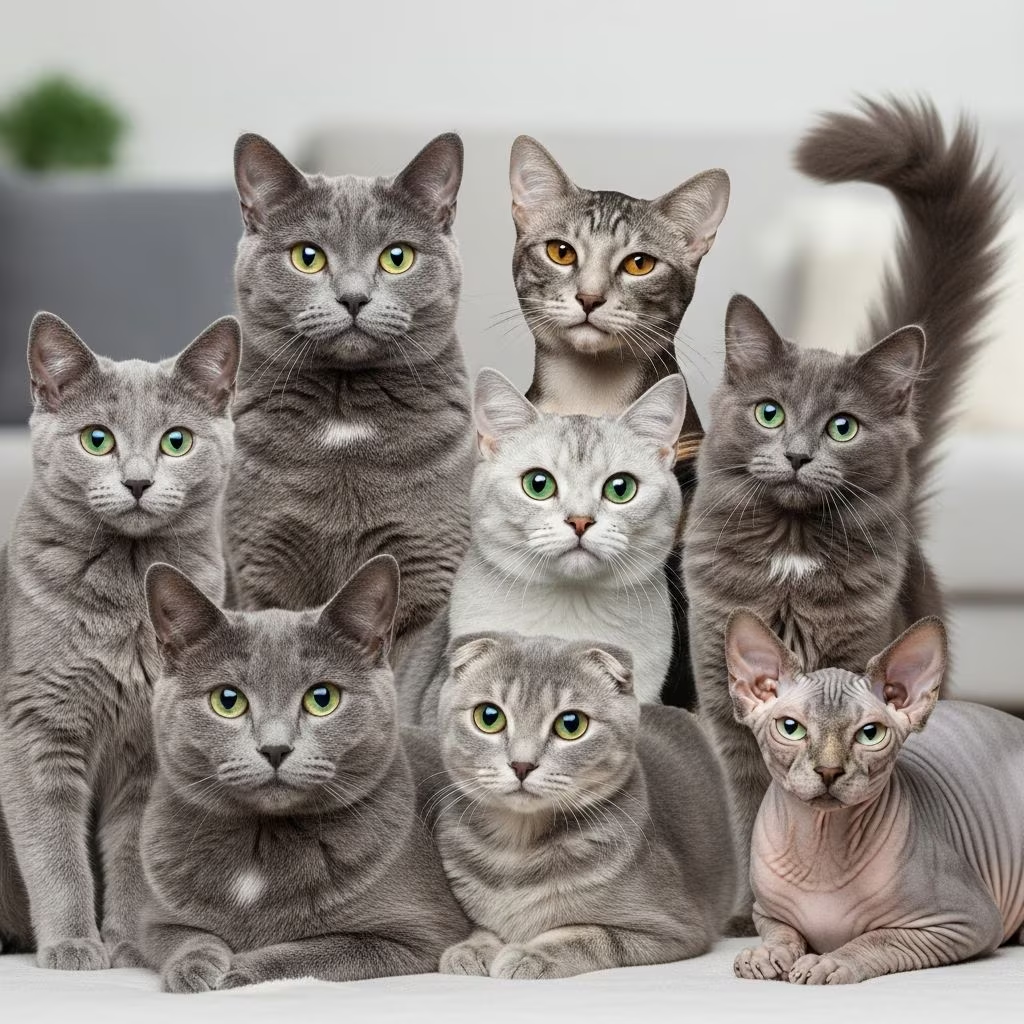
Understanding Grey Cat Breeds: Personalities and Characteristics
Grey cats have captivated cat enthusiasts for generations with their striking appearance and captivating personalities. While coat color alone does not determine a cat’s personality, many grey cat breeds share common traits that make them particularly appealing to pet owners. These felines are often described as intelligent, playful, and affectionate companions that balance independence with a desire for human interaction. Understanding the unique characteristics of different grey cat breeds can help you select the perfect feline companion for your lifestyle and preferences.
The Science Behind Grey Cat Personalities
Feline behaviorists use the Five-Factor Model to assess cat personalities, which includes skittishness, outgoingness, dominance, spontaneity, and friendliness. Grey cats, regardless of breed, tend to score high on intelligence and curiosity scales. They are generally independent yet enjoy playful interactions with their owners. These cats are often vocal communicators, using meows, chirps, and trills to express their needs and emotions. Body language is equally important, with tail swishes, ear positions, and body stance conveying their emotional state.
Early socialization and environmental factors significantly impact a grey cat’s personality development. A well-socialized kitten typically grows into a braver, calmer adult cat. Providing a comfortable environment with enrichment activities, quality nutrition, and consistent care contributes to a content and relaxed temperament.
Russian Blue: Gentle and Affectionate
The Russian Blue stands as one of the most popular grey cat breeds, instantly recognizable by its silver-blue coat and striking emerald-green eyes. These elegant felines are known for their gentle, reserved demeanor, preferring the company of trusted family members over strangers. Russian Blues form exceptionally strong bonds with their owners, displaying loyalty and affection despite their independent streak.
Personality Traits:
- Intelligent and quick learners who enjoy problem-solving challenges
- Playful yet calm, balancing activity with quiet rest periods
- Deeply attached to their human families and dislike spending time alone
- Shy around strangers but warming up once comfortable
- Excellent hunters with strong prey drive
Care Requirements: Russian Blues require regular interactive play with toys that challenge their intelligence. They thrive in homes where they receive consistent attention and mental stimulation. These cats have short, dense coats that require minimal grooming, making them relatively low-maintenance. Regular brushing helps maintain their coat’s lustrous appearance and supports skin health.
Chartreux: The Smiling Buddha
Often called the “Smiling Buddha” of cat breeds, the Chartreux embodies calm, friendly, and inherently sweet characteristics. These French-origin cats possess a distinctive appearance with a slate-grey coat, sturdy muscular build, and copper or gold eyes. Chartreux cats are known for their gentle nature and affectionate disposition, making them excellent family pets.
Distinctive Features:
- Calm and naturally sweet temperament suited for family environments
- Love cuddles and often follow owners from room to room
- Low-maintenance yet playful, especially when young
- Silent communicators who offer companionship through presence
- Strong bonds with their families and devoted to their trusted humans
Grooming and Care: Chartreux cats feature a dense, woolly coat that requires regular grooming to maintain optimal condition. While they are less prone to matting than some breeds, routine brushing prevents tangles and reduces shedding. These cats thrive on a balanced diet and benefit from adequate playtime to maintain their muscular build and prevent obesity.
Nebelung: Rare Beauty with Loyal Heart
The Nebelung represents a rare and enchanting grey cat breed, often compared to the Russian Blue due to similar features. These cats possess a silver-grey coat, muscular body, and striking green eyes, but their fur is noticeably longer than their Russian Blue counterparts. The name “Nebelung” derives from German, meaning “creature of the mist,” perfectly capturing their ethereal appearance.
Personality Profile:
- Initially timid and quiet with new people and environments
- Becomes sweet, loyal, and affectionate once bonded with owners
- Highly intelligent and enjoy games that challenge their minds
- Playful and energetic, particularly when engaged in interactive activities
- Prefer calm, quiet environments with predictable routines
Special Considerations: Nebelungs require patient socialization during kittenhood to develop confidence and comfort with handling. Their longer coat demands regular brushing to prevent matting and maintain beauty. These cats thrive in quiet households where they can feel secure and develop strong emotional bonds with their caretakers.
Scottish Fold: Wisdom in a Compact Frame
Scottish Folds captivate cat lovers with their distinctive folded ears and sweet, calm nature. These cats possess a unique sitting posture, often found perched on their haunches in a “Buddha” position while observing their surroundings with a wise, serene gaze. Despite their reserved appearance, Scottish Folds are affectionate, social companions that thrive in family environments.
Key Characteristics:
- Sweet, calm, and companionable temperament
- Soft voice used expressively during interactions
- Adaptable to both quiet times and playful activities
- Excellent family companions compatible with children and other pets
- Social and loving nature requiring regular family participation
Health and Care: Scottish Folds require regular ear checks to ensure cleanliness and monitor for infections due to their unique ear structure. Their coat, available in both long and short varieties, needs routine grooming for optimal appearance. Despite their laid-back nature, Scottish Folds benefit from regular play and exercise to maintain healthy weight and mental stimulation.
British Shorthair: Laid-Back Lap Cat
British Shorthairs, particularly those with grey coloring, represent the epitome of laid-back companionship. These sturdy, muscular cats feature dense, plush coats and a calm demeanor that makes them perfect for families seeking a relaxed feline companion. They combine independence with affection, happy to lounge on laps while remaining content during solo time.
Personality Overview:
- Calm and easygoing with gentle temperaments
- Enjoy lap time and quiet companionship
- Intelligent yet less demanding than more active breeds
- Adaptable to various living situations and family dynamics
- Lower activity levels suitable for apartment living
Grooming Needs: British Shorthairs require regular brushing to manage their dense coats and reduce shedding. A consistent grooming routine prevents matting and helps maintain coat health. These cats appreciate a balanced diet and moderate exercise to prevent weight gain, which is common in laid-back breeds.
Korat: Thai Treasure with Unique Appeal
The Korat hails from Thailand, with its name derived from the Nakhon Ratchasima province historically known as Korat. These rare and striking cats feature a distinctive silver-blue coat, large green eyes, and a muscular, compact body. Korats are considered lucky cats in their homeland and are increasingly appreciated by cat enthusiasts worldwide.
Distinctive Traits:
- Highly intelligent and perceptive to human emotions
- Vocal communicators with soft, melodic voices
- Loyal and devoted to their chosen family members
- Active and playful throughout their lifespan
- Sensitive to environmental changes and loud noises
Care Guidelines: Korats thrive in calm, predictable environments where they feel secure and valued. These cats require regular interactive play to maintain their active nature and mental well-being. Their short, glossy coats need minimal grooming but benefit from regular brushing to enhance shine and reduce shedding.
Siberian Grey: Majestic Climbers and Jumpers
Siberian cats, particularly those displaying grey coloration, are as playful and energetic as they are beautiful. These large, muscular felines retain kitten-like joy and enthusiasm well into adulthood. Their powerful legs make them exceptional climbers and jumpers, constantly seeking to explore every corner of their home territory.
Personality Highlights:
- Playful, energetic, and adventurous throughout life
- Incredibly affectionate and devoted to family members
- Strong bonds with owners expressed through cuddles and purrs
- Sociable with guests and other pets in multi-pet households
- Gentle and loving despite their large size and strength
Environmental Needs: Siberians require ample vertical space including cat trees, shelves, and climbing structures to satisfy their climbing instincts. Regular interactive play sessions keep them physically active and mentally engaged. Their thick, water-resistant coats require regular grooming, particularly during shedding seasons. These cats thrive in families that can provide consistent attention and activity.
Creating the Ideal Environment for Grey Cats
Regardless of specific breed, all grey cats benefit from thoughtfully designed living spaces that accommodate their unique needs. Understanding your individual cat’s personality helps you create an environment where it can thrive physically and emotionally.
Essential Environmental Features:
- Quiet retreat spaces where cats can recharge and feel secure
- Cat trees, condos, and scratching posts for climbing and scratching
- Interactive toys that challenge intelligence and maintain physical fitness
- Window perches for bird watching and environmental stimulation
- Consistent routines that help cats feel safe and predictable
Behavioral Tips for Living Happily with Grey Cats
Respecting Personal Space
Grey cats, particularly reserved breeds like Nebelungs and Russian Blues, greatly appreciate designated personal spaces. Providing cozy cave beds, snug cat condos, or designated cat couches creates safe havens where they can retreat and recharge. Teaching family members, especially children, to recognize when cats need alone time prevents stress and behavioral issues.
Using Positive Reinforcement
Cats of all colors and breeds respond exceptionally well to positive reinforcement. Rewarding desired behaviors with treats, petting, or playtime increases the likelihood of repetition. This approach builds trust and strengthens your bond with your feline companion while encouraging good behavior naturally.
Understanding Communication
Grey cats often communicate through both vocalizations and body language. Some breeds are exceptionally chatty, while others are more reserved. Learning to interpret tail position, ear orientation, and body posture helps you understand your cat’s emotional state and needs. Slow blinks typically indicate affection, while dilated pupils may suggest fear or excitement.
Nutrition and Health Considerations
Proper nutrition supports optimal health and maintains ideal body weight in grey cats. Different breeds have varying nutritional requirements based on their size, activity level, and metabolism. Consult with your veterinarian to determine the most appropriate diet for your specific cat.
Regular veterinary check-ups help identify health issues early and ensure vaccinations remain current. Many grey cat breeds are prone to specific health conditions, such as kidney disease in older cats or hypertrophic cardiomyopathy in certain breeds. Preventative care and early intervention extend quality of life and maintain well-being.
Socialization and Early Development
Early socialization profoundly impacts a grey cat’s personality development and adaptability. Kittens exposed to various people, environments, and experiences during critical developmental periods typically grow into confident, well-adjusted adult cats. Positive early experiences with handling, veterinary visits, and diverse situations build resilience and reduce anxiety in new circumstances.
Providing consistent, gentle interactions during kittenhood establishes trust and secure attachment to human caregivers. This investment in early socialization typically results in adults that are calmer, more affectionate, and better adapted to family life.
Frequently Asked Questions About Grey Cat Breeds
Q: Are grey cats naturally more intelligent than other colored cats?
A: There is no scientific evidence that coat color alone determines intelligence. However, many grey cat breeds are specifically bred for intelligence and problem-solving abilities, which may contribute to the perception that grey cats are particularly smart.
Q: Do grey cats require special grooming compared to other colors?
A: Grey cats do not inherently require more grooming than other colored cats. However, grooming requirements vary by breed and coat length rather than color. Longer-coated breeds like Nebelungs and Siberians need more frequent brushing than short-coated breeds like Russian Blues.
Q: Which grey cat breed is best for families with young children?
A: Scottish Folds and Chartreux cats are excellent choices for families with children due to their gentle, patient temperaments. British Shorthairs are also calm and adaptable. All require supervision and teaching children to handle cats respectfully.
Q: How much exercise do grey cats need daily?
A: Exercise requirements vary by breed and individual personality. Playful breeds like Siberians and Tonkinese need 30-60 minutes of interactive play daily. Calmer breeds like British Shorthairs need less but still benefit from regular play sessions for mental stimulation and physical fitness.
Q: Are grey cats more prone to any specific health conditions?
A: Health predispositions vary by breed rather than coat color. Scottish Folds require ear monitoring due to their unique ear structure. Other breeds may have breed-specific conditions. Discuss potential health concerns with your veterinarian based on your cat’s specific breed.
Q: Can grey cats be left alone for extended periods?
A: This depends on individual personality and breed characteristics. Russian Blues and many grey breeds form strong attachments and dislike extended solitude. Breeds like British Shorthairs are more independent. Most cats should not be left alone for more than 24-48 hours.
Q: Do grey cats have specific dietary requirements?
A: Grey cats do not have unique dietary needs based on coat color. However, diet should be tailored to the specific breed, age, activity level, and individual health needs. Consult your veterinarian for personalized nutritional recommendations.
References
- Understanding Grey Cat Personality Traits and Breeds — ZezeLife. 2025. https://www.zezelife.com/understanding-grey-cat-personality-traits-and-breeds/
- 12 Grey Cat Breeds with Striking Looks and Gentle Temperaments — WoPet. 2025. https://wopet.com/cats/grey-cat-breeds/
- 10 Gray Cat Breeds Every Pet Parent Should Know — PetSafe. 2025. https://www.petsafe.com/blog/gray-cat-breeds/
- All About Gray Cats — Cat in the Box LLC. 2025. https://thecatisinthebox.com/blogs/kitty-contemplations/all-about-gray-cats



