

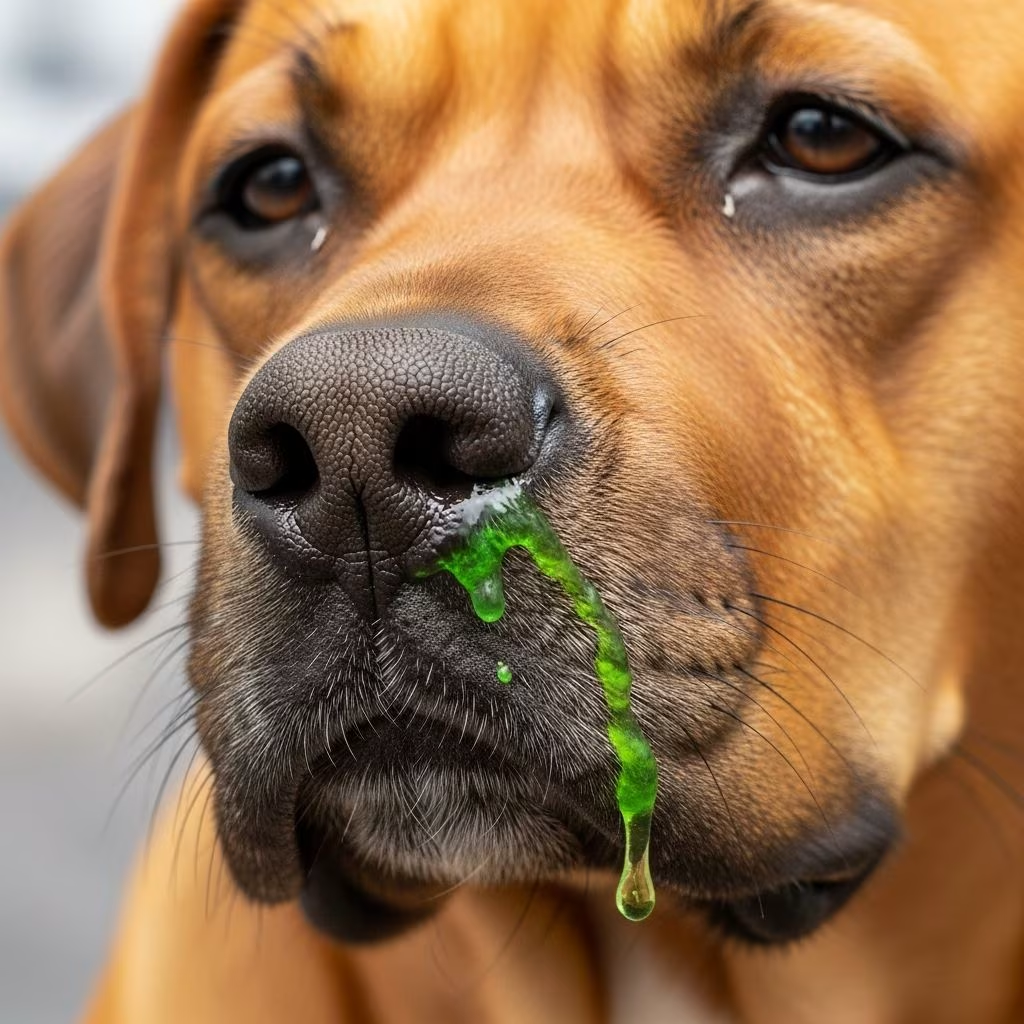
Green nasal discharge in dogs often indicates an underlying health issue requiring prompt attention, typically pointing to bacterial or fungal infections rather than benign conditions like allergies.
Understanding Canine Nasal Discharge Colors and Meanings
Dogs produce nasal mucus to protect their respiratory passages, but changes in color reveal specific problems. Clear discharge is usually harmless, linked to temperature regulation or mild irritants. In contrast, **green nasal discharge** suggests the presence of neutrophils, white blood cells fighting infection, often bacterial in nature.
Yellow discharge similarly signals pus from infections, while bloody mucus may indicate trauma, tumors, or severe inflammation. Vets interpret these colors during diagnosis: watery clear flow points to allergies, thick green or yellow to active infections. According to veterinary experts, green mucus demands immediate evaluation as it can stem from rapidly progressing conditions.
Primary Causes of Green Mucus from a Dog’s Nose
Several factors lead to green nasal discharge. Here’s a breakdown:
- Bacterial Infections: Common in the upper respiratory tract, these thrive in puppies, seniors, or immunocompromised dogs. Symptoms include foul-smelling green discharge and secondary issues like fever.
- Fungal Infections (e.g., Aspergillosis): Fungi like Aspergillus invade nasal passages, causing creamy or green discharge, often unilateral initially. Long-nosed breeds are prone.
- Viral Upper Respiratory Issues: Though less common for green hues, viruses can precede bacterial overgrowth, leading to discolored mucus.
- Nasal Tumors or Polyps: These growths obstruct passages, resulting in persistent green or bloody discharge. Early signs include one-sided flow becoming bilateral.
- Foreign Bodies or Trauma: Grass seeds or injuries irritate the nose, inviting infection and green discharge.
Less frequent causes include dental disease or systemic illnesses, where bad breath accompanies nasal symptoms.
Recognizing Accompanying Symptoms
Green discharge rarely occurs alone. Watch for these red flags:
- Frequent sneezing or reverse sneezing
- Pawing at the nose or head shyness
- Nasal congestion, snoring, or labored breathing
- Bloody streaks or foul odor in discharge
- Lethargy, appetite loss, or facial swelling
These signs differentiate minor issues from emergencies. For instance, unilateral green discharge with sneezing often signals foreign objects or early fungal rhinitis.
| Discharge Type | Possible Cause | Associated Symptoms |
|---|---|---|
| Clear/Watery | Allergies, Cooling | Sneezing, Itching |
| Green/Thick | Bacterial/Fungal Infection | Foul Smell, Fever, Pawing |
| Yellow/Pus-like | Infection, Polyps | Boogers, Congestion |
| Bloody | Tumors, Trauma | Swelling, Noisy Breathing |
When to Rush to the Vet
Don’t delay if green discharge persists beyond 24-48 hours, worsens, or pairs with breathing difficulty, bleeding, or behavioral changes. Dr. Jane Smith notes, “Green mucus often indicates a bacterial infection that requires veterinary intervention”. Puppies, seniors, and brachycephalic breeds face higher risks.
Diagnostic Approaches for Green Nasal Discharge
Veterinarians use a multi-step process:
- Physical Exam: Checks for asymmetry, depigmentation, or pain.
- Imaging: X-rays or CT scans reveal tumors, foreign bodies, or sinusitis.
- Rhinoscopy: Endoscope inspects nasal passages for mites, polyps, or fungi.
- Cultures/Biopsies: Samples confirm bacterial, fungal, or neoplastic causes.
- Bloodwork: Rules out systemic disease.
Color analysis aids initial assessment: green points to infection, guiding antibiotic or antifungal trials.
Treatment Strategies Tailored to the Cause
Treatments vary by diagnosis:
- Bacterial Infections: Broad-spectrum antibiotics for 2-4 weeks, often with nasal flushing.
- Fungal Rhinitis: Infusion therapy with antifungals like clotrimazole, sometimes surgery.
- Foreign Bodies: Extraction via rhinoscopy or surgery.
- Tumors/Polyps: Surgical removal, radiation, or chemotherapy depending on type.
- Supportive Care: Nebulization, humidifiers, and anti-inflammatories ease symptoms.
Antibiotics alone may fail if underlying issues persist, as bacteria often follow primary problems.
Home Management and Prevention Tips
While awaiting vet care:
- Keep the nose clean with saline wipes.
- Use a humidifier to loosen mucus.
- Avoid irritants like smoke or strong scents.
Preventive measures include vaccinations against respiratory viruses, regular dental checks, and avoiding high-risk environments for fungal exposure. Monitor sniffing habits to prevent foreign body inhalation.
Frequently Asked Questions (FAQs)
Is green snot normal in dogs?
No, it indicates infection or inflammation needing vet attention, unlike clear discharge.
Can allergies cause green nasal discharge?
Allergies typically produce clear mucus; green suggests secondary infection.
How long before green discharge becomes serious?
Seek care within 1-2 days if persistent or with other symptoms.
Are certain breeds more prone?
Dachshunds, retrievers for fungal; all breeds for bacteria, but long-nosed at higher risk.
Can I treat green dog nasal discharge at home?
No, professional diagnosis is essential; home remedies support but don’t cure.
Long-Term Monitoring and Prognosis
With early intervention, most infections resolve fully. Fungal cases may require months of therapy, with 80-90% success via topical treatments. Tumors carry guarded prognoses, emphasizing early detection. Regular check-ups post-treatment prevent recurrence.
Owners play a key role by tracking symptoms and adhering to follow-ups. Nutrition supporting immunity, like omega-3 rich diets, aids recovery.
References
- Dog Runny Nose: Misguided Common Tips — PawLabs. 2023. https://pawlabs.co/a/blog/dog-runny-nose-misguided-common-tips
- Nasal Discharge in Dogs: Causes, Symptoms, Diagnosis, Cures — Total.Vet. 2024. https://total.vet/dog-nasal-discharge/
- Canine Aspergillosis/Fungal Rhinitis in Dogs — NDSR. 2023. https://www.ndsr.co.uk/information-sheets/aspergillosis-fungal-rhinitis/
- Nasal Discharge, Bloody Nose and Sneezing in Dogs — Savannah Veterinary. 2024. https://savannahveterinary.com/pet-internal-medicine/nasal-discharge-bloody-nose-and-sneezing-in-dogs-it-snot-normal/
- Teary Eyes and Runny Nose in Dogs: Causes & Treatment — Vetic. 2023. https://vetic.in/blog/pet-health/teary-eyes-and-runny-nose-in-dogs-can-these-be-more-than-allergies/
- Dog Runny Nose (Nasal Discharge): Causes and Treatments — WebMD Pets. 2024. https://www.webmd.com/pets/dogs/my-dog-has-discharge-from-nose
- Rhinitis and Sinusitis in Dogs – Dog Owners — Merck Veterinary Manual. 2025. https://www.merckvetmanual.com/dog-owners/lung-and-airway-disorders-of-dogs/rhinitis-and-sinusitis-in-dogs



