

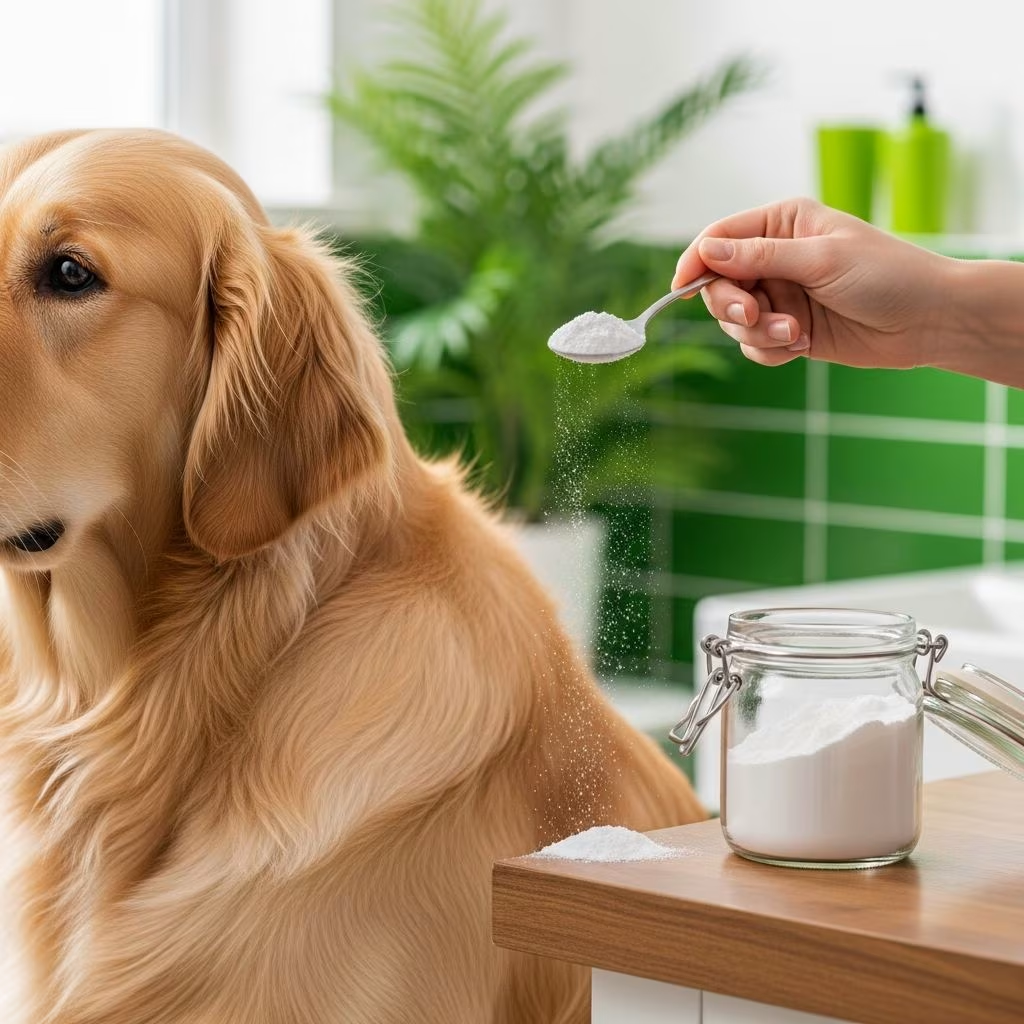
Baking soda, or sodium bicarbonate, serves as a versatile, natural grooming aid for dogs, helping to deodorize coats, soothe irritated skin, and even combat fleas without harsh chemicals. This pantry staple offers an eco-friendly alternative to commercial products, but proper use is essential to avoid skin irritation or toxicity.
Why Baking Soda Works for Dog Grooming
Baking soda excels in dog grooming due to its mild alkaline properties that neutralize odors and absorb oils. It acts as a gentle abrasive to lift dirt from the coat while soothing **itchy skin** conditions like hot spots. Veterinarians note it deodorizes effectively, eliminates ‘dog smell,’ and improves coat shine when used sparingly.
For dogs with sensitive skin, baking soda can relieve dryness and itching without synthetic additives. Its pH-balancing effect helps maintain coat health, though dogs’ skin is more acidic than humans’, requiring moderation to prevent disruption.
Safe Ways to Use Baking Soda on Dogs
Always consult a vet before introducing baking soda, especially for pups with pre-existing conditions like kidney issues or open wounds. Use food-grade baking soda, apply in small amounts, rinse thoroughly, and monitor for reactions like redness or excessive licking.
Dry Shampoo for Quick Refresh
A **baking soda dry shampoo** is ideal between baths, perfect for travel or lazy days. Sprinkle 1-2 tablespoons over the coat, massage in with a brush, and brush out excess after 10-15 minutes. This method absorbs oils, neutralizes odors, and leaves fur fresh without water.
- Best for short-haired breeds or quick touch-ups.
- Add a drop of pet-safe essential oil like lavender for extra scent (dilute properly).
- Frequency: 1-2 times weekly max to avoid dryness.
Wet Baking Soda Bath
For a full clean, dissolve 1/2 cup baking soda in warm bath water. Soak your dog for 10 minutes, gently scrub with a soft cloth, then rinse completely. This deep-cleans, kills fleas by dehydrating them, and soothes skin irritations.
Recipe for DIY Baking Soda Shampoo:
- 1/2 cup baking soda
- 1 cup mild castile soap or baby shampoo
- 1 cup water or apple cider vinegar (1:4 dilution)
- Mix, apply, lather, rinse well.
Baking Soda Paste for Hot Spots and Nails
Mix baking soda with water into a thick paste for **hot spots**—apply to soothe itching and reduce inflammation. For accidental nail quick clips, dip in dry baking soda to promote clotting and stop bleeding.
Baking Soda for Flea Control
Baking soda dehydrates fleas and larvae on contact, making it a natural pest fighter. Rub into the coat dry, let sit 1 hour, then vacuum or brush out. Combine with salt (1:1) for enhanced effect, but avoid open wounds as it may irritate.
- Repeat every 3-5 days during infestations.
- Not a replacement for vet-prescribed treatments; use as adjunct.
- Vacuum home thoroughly post-treatment.
Deodorizing and Odor Elimination
Dog odors from rolling in dirt or skunk encounters vanish with baking soda. For skunk spray, mix 1 quart 3% hydrogen peroxide, 1/4 cup baking soda, 1 tsp dish soap—apply immediately, rinse after 20 minutes (outdoors only).
As a general deodorizer, add to rinse water post-bath: 2 tbsp per gallon. This neutralizes bacteria causing smells and freshens naturally.
Precautions and Risks
While safe in moderation, baking soda poses risks if misused. It can dry skin, disrupt pH balance, or cause burns in large quantities. Ingestion of 2 teaspoons per kg body weight leads to toxicity: vomiting, diarrhea, seizures.
| Risk | Symptoms | Prevention |
|---|---|---|
| Overuse on Skin | Dryness, irritation | Use 1-2x/week, rinse fully |
| Ingestion | Vomiting, tremors | Prevent licking, store away |
| Eyes/Mouth | Burning, nausea | Avoid application near face |
Avoid on broken skin, dermatitis, or sensitive breeds. Small dogs are at higher toxicity risk—less than 1 tbsp can harm.
Alternatives to Baking Soda
If baking soda irritates, try oatmeal baths for soothing, apple cider vinegar rinses (1:10 dilution) for pH balance, or coconut oil for moisturizing. Commercial oatmeal shampoos mimic benefits safely.
Frequently Asked Questions (FAQs)
Is baking soda safe for all dogs?
Generally yes in small amounts, but avoid for puppies under 6 months, dogs with kidney disease, or open wounds. Consult vet first.
How often can I use baking soda baths?
Once weekly max for wet baths; dry shampoo 1-2 times weekly. Overuse dries skin.
Can baking soda kill fleas completely?
It dehydrates fleas but isn’t 100% effective alone. Pair with combing and environmental cleaning.
What if my dog licks baking soda off?
Small amounts are safe; large ingestion requires vet visit. Symptoms: vomiting, lethargy.
Does baking soda whiten dog fur?
It brightens by removing buildup but won’t bleach; use monthly for white coats.
Conclusion
Incorporating baking soda into green grooming routines offers cost-effective, natural care for deodorizing, flea control, and skin relief. Prioritize safety with vet guidance, proper dilution, and monitoring for a happy, fresh pup.
References
- Is Baking Soda Safe To Use In DIY Dog Shampoo? – Ask A Pet Vet — YouTube/Ask A Pet Vet. 2025-06-04. https://www.youtube.com/watch?v=zK42IE3Wg7A
- How To Give a Dog a Baking Soda Bath — Rover.com. N/A. https://www.rover.com/blog/baking-soda-dog-bath/
- How to Bathe a Dog With Baking Soda — WagWalking.com. N/A. https://wagwalking.com/grooming/bathe-a-dog-with-baking-soda
- The Truth About DIY Dog Shampoos: Are They Safe? — Tilting Heads. N/A. https://www.tiltingheads.com/blogs/latest-blogs/the-truth-about-diy-dog-shampoos-are-they-safe



