

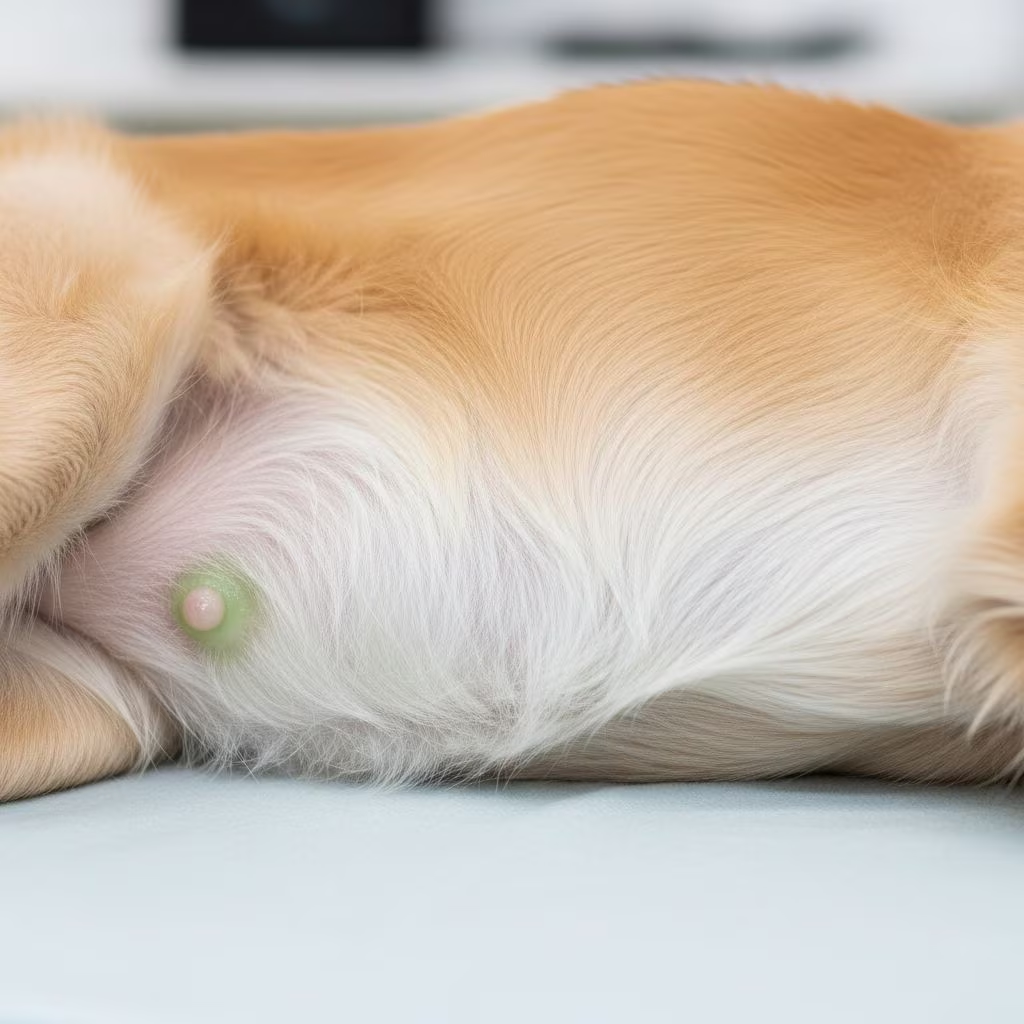
Expecting puppies can be both exciting and anxiety-inducing for dog breeders and pet owners. One of the most alarming signs that may appear is green-colored vaginal discharge, which often causes panic in those unfamiliar with the birthing process. However, this discharge is typically a completely normal physiological response that indicates your dog’s body is preparing for or actively undergoing labor. Understanding what constitutes normal discharge versus warning signs is crucial for ensuring both mother and puppies remain healthy throughout the delivery process.
The Science Behind Colored Vaginal Discharge During Labor
The green coloration that appears during labor originates from a specific biological process occurring within your dog’s reproductive system. Each developing puppy is encased in protective layers, including a placenta that supplies oxygen, nutrients, and removes metabolic waste throughout pregnancy. As labor progresses and puppies prepare for birth, the placental tissues begin to separate from the uterine wall. During this separation, a pigment called biliverdin is released into the reproductive tract.
Biliverdin is a natural byproduct of placental decomposition and the breakdown of hemoglobin. When this pigment mixes with other fluids present in the birth canal, it creates the distinctive green discharge that owners observe. This green coloration can be quite vivid and may stain bedding, towels, and even the puppies themselves for several days after birth. The intensity of the color varies depending on the concentration of biliverdin and the amount of fluid present.
It is essential to recognize that this green discharge is not a sign of infection, fetal distress, or medical emergency when it appears during active labor. Rather, it represents a normal and expected phase of the whelping process. The presence of green discharge indicates that placental separation is occurring and that puppies should be arriving imminently.
The Three Stages of Canine Labor and Associated Changes
Canine labor progresses through three distinct stages, each with characteristic physical and behavioral changes. Recognizing these stages helps you anticipate what to expect and determine when intervention becomes necessary.
Initial Phase: Preparation and Cervical Changes
The first stage of labor involves significant physiological preparation as your dog’s body readies itself for delivery. During this phase, the cervix gradually dilates to allow passage of puppies. You may notice the loss of the mucus plug, which appears as a clear or whitish discharge that your dog typically cleans up herself.
Behavioral changes become evident during this stage. Your pregnant dog may exhibit restlessness, spending increased time in her bed or whelping box. Some dogs become unusually clingy and seek constant companionship, while others prefer solitude and become withdrawn. Appetite typically decreases or disappears entirely. This initial stage can last anywhere from a few hours to several days, making it difficult to predict the exact timing of active labor.
Active Labor: Contractions and Expulsion
The second stage represents the active labor phase where you will observe the most dramatic changes. Your dog will display visible abdominal contractions as her uterine muscles work to propel puppies through the birth canal. Frequent panting, vocalization, and straining efforts become apparent. Your dog may lick at her vulva frequently, and you should see thick vaginal discharge that may range from clear to green in appearance.
During this stage, the first puppy should emerge within approximately two hours of labor onset. The appearance of green discharge signals that placentas are separating and puppies are moving through the birth canal. You should expect to see a puppy within 10 to 15 minutes of observing green discharge. If no puppy appears within this timeframe, contact your veterinarian immediately, as this may indicate a complication requiring professional intervention.
Final Stage: Placenta Expulsion and Newborn Care
The third stage encompasses the delivery of both puppies and their associated placentas. Most puppies are born while still enclosed in the amniotic sac, which the mother typically ruptures with her teeth. Some dogs require gentle human assistance to break the sac without damaging the umbilical cord. The mother will vigorously lick the newborn puppy to stimulate breathing and clear fluids from the airways. She often chews the umbilical cord to sever and crush it, though you may assist if necessary.
Between puppy deliveries, your dog will also expel placentas. Some mothers eat the placental material, which is normal, though not necessary. The interval between puppy deliveries varies but typically ranges from minutes to several hours.
Distinguishing Normal From Abnormal Discharge Patterns
While green discharge during labor is normal, other discharge colors and characteristics may indicate serious complications requiring immediate veterinary attention. Recognizing these warning signs is vital for protecting both mother and litter.
| Discharge Type | Appearance | Interpretation | Required Action |
|---|---|---|---|
| Normal Green | Bright to dark green fluid | Placental separation during labor | Expect puppy within 15 minutes |
| Heavy Bleeding | Bright red blood in large amounts | Possible uterine rupture or trauma | Contact vet immediately |
| Dark Brown/Black | Significant dark discharge | Possible fetal death or necrotic tissue | Emergency veterinary care |
| Foul-Smelling/Purulent | Discharge with odor or pus | Uterine infection | Urgent veterinary attention |
| Premature Discharge | Any discharge 7+ days pre-labor | Possible infection or fetal issues | Schedule urgent vet appointment |
Warning Signs That Require Professional Veterinary Intervention
Several discharge-related and labor-related complications demand immediate professional evaluation to prevent serious consequences for mother and puppies.
Excessive Blood Loss
While some bleeding during labor is normal, excessive fresh blood may indicate uterine rupture, placental abruption, or severe tissue damage. Heavy hemorrhage can lead to shock and life-threatening complications. Contact your veterinarian immediately if you observe significant bleeding that does not subside with delivery of a puppy.
Signs of Infection
Foul-smelling discharge or discharge containing pus indicates infection within the reproductive tract. Infections can jeopardize both the mother’s health and all remaining puppies in the litter. These infections may occur during pregnancy (pyometra), causing discharge 2-3 weeks after mating or immediately after the heat cycle. Infected dogs typically display fever, lethargy, decreased appetite, and excessive drinking or urination in addition to abnormal discharge.
Prolonged Intervals Without Delivery
If your dog displays active contractions, straining efforts, and green discharge for more than 15 minutes without producing a puppy, contact your veterinarian. This may indicate dystocia (difficult labor), where a puppy is positioned incorrectly, oversized relative to the birth canal, or where the mother’s uterine contractions are insufficient to expel the puppy.
Absence of Discharge During Labor
Paradoxically, the complete absence of any discharge during active labor can also signal problems. If your dog is actively straining and having visible contractions but you observe no discharge whatsoever, she may have difficulty expelling puppies and requires professional assessment.
Timing Considerations and Gestational Calculations
Many dog owners become anxious when labor does not begin exactly on day 63 of pregnancy. However, fertilization does not always occur immediately after mating. The egg may be fertilized up to nearly a week after sexual contact, which shifts the entire gestational timeline forward. Therefore, labor occurring a few days after the 63-day mark remains completely normal and does not indicate a problem.
Additionally, some dogs are fastidious about cleanliness and will lick up discharge before owners have an opportunity to observe it. The absence of visible discharge does not necessarily mean labor has not begun; your dog may have already cleaned away all evidence. Observe behavioral signs like restlessness, nesting, loss of appetite, and increased affection to confirm labor onset even when discharge remains undetected.
Preparing for Normal Green Discharge
Understanding that green discharge is normal allows you to prepare appropriately for the whelping event. Have abundant disposable bedding, towels, and absorbent materials available, as the discharge will stain fabrics and surrounding surfaces. The staining can be quite significant and long-lasting, so do not use valuable linens in the whelping area.
Maintain a comfortable, quiet whelping environment away from household traffic and noise. Set up the whelping box well before the due date to allow your dog to become accustomed to the space. Keep veterinary contact information readily accessible and discuss any pregnancy concerns with your veterinarian beforehand to establish clear protocols for when to seek emergency care.
Frequently Asked Questions About Pregnancy Discharge
Is green discharge always a sign that puppies are coming immediately?
Green discharge typically indicates that labor is in progress and puppies should arrive within 15 minutes. However, the actual timing can vary. Some dogs may have sporadic green discharge over several hours with intervals between puppy births. If no puppy appears within 15 minutes of green discharge, veterinary consultation becomes necessary.
Can green discharge indicate a dead puppy?
Green discharge itself does not indicate fetal death. The color derives from normal placental separation and biliverdin pigment release. However, if green discharge appears significantly before the expected labor date (more than one week early), it may warrant veterinary investigation to rule out complications like premature placental separation or fetal loss.
Will the puppies be stained by green discharge?
Yes, puppies born during the discharge phase may have greenish staining on their fur and skin. This does not harm the puppies and will gradually fade with normal cleaning and time. The mother will typically lick puppies clean, and the green coloration typically disappears within several days.
What should I do if my dog shows discharge before day 60 of pregnancy?
Any vaginal discharge appearing more than one week before the expected labor date should prompt an urgent veterinary appointment. This may indicate infection, fetal problems, or other complications requiring professional evaluation.
Summary: Normal Labor Progression and When to Seek Help
Green discharge during canine labor represents a normal physiological process resulting from placental separation and biliverdin release. When observed during active labor accompanied by contractions and maternal discomfort, green discharge signals that puppies should arrive within 15 minutes. Understanding this normal process reduces unnecessary anxiety and allows owners to focus on supporting their pregnant dog through the delivery process. However, maintaining awareness of warning signs—including heavy bleeding, foul-smelling discharge, prolonged labor without puppy delivery, or premature discharge—ensures you can recognize complications and seek professional care when needed. Preparation, education, and prompt veterinary communication create the safest environment for successful whelping and healthy newborn puppies.
References
- The normal whelping process — Cornell University College of Veterinary Medicine, Riney Canine Health Center. https://www.vet.cornell.edu/departments-centers-and-institutes/riney-canine-health-center/canine-health-topics/normal-whelping-process
- Difficulty Delivering Puppies (Dystocia) in Dogs — Vetster Veterinary Telehealth. 2024. https://vetster.com/en/conditions/dog/difficulty-delivering-puppies-dystocia-in-dogs
- Green Discharge in a Pregnant Bitch — Barrett Weimaraners Kennel. https://www.barrettweimaraners.com/green-discharge-in-a-pregnant-bitch/
- Pregnancy in dogs — Hill’s Pet Nutrition. 2024. https://www.hillspet.co.za/dog-care/healthcare/pregnant-dog
- Pyometra in Dogs: Symptoms and What to Do — Veterinary Hospital Associates. 2024. https://vhavets.com/blog/pyometra-in-dogs/



